How to Create a Fitness App in 2025
In the evolving world of technology, fitness application development continues to be a thriving field. With the increasing popularity of wellness and health, the demand for innovative fitness apps has skyrocketed. Creating a fitness app in 2025 requires not only a thorough understanding of programming but also a grasp of emerging trends and user expectations in the fitness sector. This article will navigate through every aspect of how to build a fitness app that stands out in the competitive market.
Understanding the Landscape of Fitness Apps
Before diving into the technicalities of fitness app development, it’s crucial to comprehend the evolving landscape of this niche. In 2025, fitness applications are expected to leverage advancements in AI, machine learning, and real-time data analytics to offer personalized user experiences. The goal is to create a fitness app that not only helps users to track their workouts and diet but also motivates them to achieve their fitness goals through interactive and engaging content.
The rise of wearable technology and the Internet of Things (IoT) has also influenced how fitness apps are developed. Today’s fitness apps are no longer just standalone applications; they often integrate seamlessly with wearable devices to provide comprehensive health and fitness data. This integration is a key factor in developing a fitness app that’s relevant and valuable to users.
Key Features in Fitness App Development
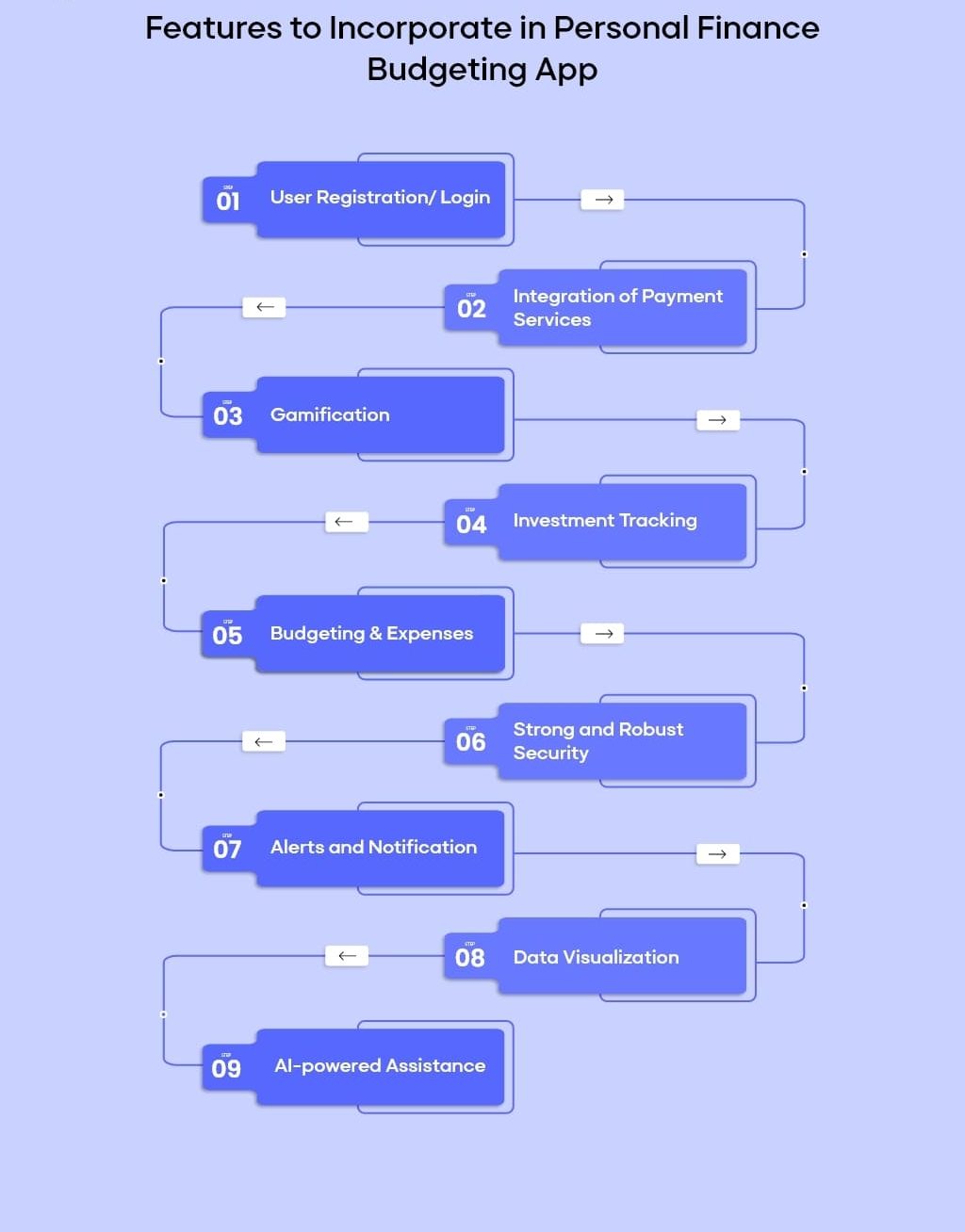
When you set out to create my own fitness app, understanding the necessary features is vital. Fitness apps need to offer more than just basic workout logging to appeal to users in 2025.
User Profile and Personalization
Personalized user experiences are at the heart of effective fitness app development. Users should be able to create profiles that include their fitness goals, health conditions, and workout preferences. This data should be utilized to tailor workout recommendations and nutritional advice, enhancing the user experience and increasing engagement.
Workout Planning and Tracking
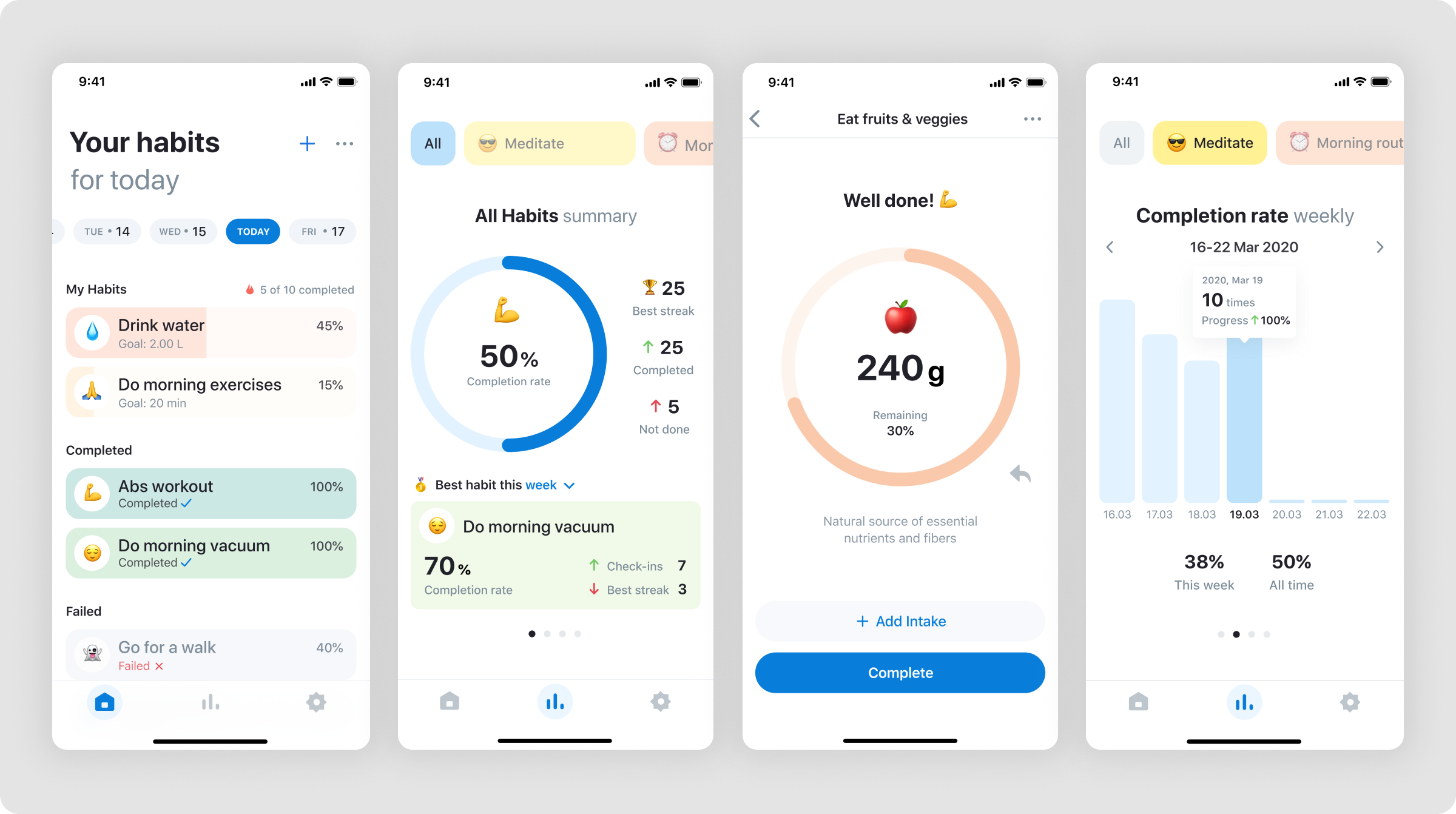
The central element of any successful fitness app is the workout planning and tracking feature. This function should allow users to schedule workouts, log their activities, and track progress over time. To create your own fitness app that users will love, consider incorporating features such as video tutorials, real-time feedback, and adaptive workout plans.
Integration with Wearable Devices
With the proliferation of smartwatches and fitness trackers, build your own fitness app by ensuring it can seamlessly integrate with these wearables. This capability allows users to benefit from real-time biometric data, such as heart rate, calorie burn, and step count, which can enhance their training effectiveness.
Community and Social Features
Building a community within your app is crucial for increasing user engagement. Features such as leaderboards, social sharing, and a built-in community forum can encourage users to connect with others, share their achievements, and stay motivated.
Nutrition and Meal Planning
For a comprehensive fitness approach, integrating nutrition and meal planning into your app is essential. This includes offering meal suggestions, tracking caloric intake, and providing nutritional advice. Offering dietary plans tailored to various fitness goals can be a distinguishing factor when you create a fitness app.
Technical Aspects of Building a Fitness App
Building a fitness app involves several technical considerations that ensure its functionality and reliability. If you’re looking at how to develop a fitness app efficiently, consider these aspects carefully.
Choosing the Right Platform
Fitness mobile app development can be directed towards iOS, Android, or both. Your decision should be influenced by your target audience and budget. While iOS users often have higher engagement levels, Android has a more extensive global reach. Many choose cross-platform frameworks like React Native or Flutter to build a fitness app that works on both systems simultaneously.
Backend Development and APIs
Robust backend technology is critical for any mobile application to function seamlessly. It manages data storage, server operations, and data exchanges between the server and client sides. When you build a fitness app, you should also integrate appropriate APIs for functionalities such as GPS, push notifications, and third-party integrations for wearables.
Ensuring Data Security
With fitness tracker app development, data security stands as a significant concern. Users trust your app with personal health data, and ensuring that this information is secure is paramount. Employ encryption protocols and comply with regulations like GDPR and HIPAA to protect user data from breaches and ensure trust.
UI/UX Design
The design aspect plays a pivotal role in how users perceive your app. An intuitive, attractive, and user-centered design will likely keep users engaged. Focus on easy navigation, minimalistic design patterns, and visually appealing interfaces to enhance the user experience and ensure that the app is simple yet effective.
Advanced Technologies Impacting Fitness Apps
As you plan to build a workout app, keeping abreast of advanced technologies is essential. These innovations can set your application apart from the competition.
Artificial Intelligence and Machine Learning
AI and ML can revolutionize how to develop a fitness app by enabling personalized workout routines, diet plans, and activity predictions. These technologies analyze user data to offer real-time feedback, ensuring that workouts are effective and aligned with personal goals.
Augmented Reality (AR)
By using AR, fitness applications can provide immersive workout experiences. Imagine users being able to perform yoga while guided by a virtual instructor in their living room. Integrating AR could offer your fitness app a novelty factor that attracts tech-savvy users.
Blockchain for Data Management
Blockchain technology can be utilized to create a transparent and immutable data management system within your fitness app. This technology can help in maintaining the integrity of user data and secure transactions within the app ecosystem.
Monetizing Your Fitness App
Understanding how to make your own fitness app profitable is crucial for sustainability. There are several monetization strategies to consider:
Subscription Model
The subscription model is popular in fitness application development. Offering premium features, ad-free experiences, or exclusive content for a monthly or annual fee can generate steady revenue.
Freemium Model
The freemium model allows users to access basic features for free while providing an option to pay for advanced features. This approach can expand your user base and subsequently convert free users into paying customers over time.
In-App Purchases
Offering additional paid content, such as specialized training programs, virtual personal trainer sessions, or merchandise, can diversify your income streams.
Advertising
Incorporating ads into your app can also be a significant revenue source, though it’s essential that ads do not detract from user experience. Opt for native ads or partner with brands relevant to your audience to ensure relevancy and acceptance.
Challenges in Fitness App Development
Despite the growing market, developing a fitness app comes with its challenges. Understanding and tackling these issues upfront can save time and resources in the long run.
Competition
The fitness app market is highly competitive. Differentiating your app by focusing on unique features or a particular niche can help you stand out.
Retaining Users
User retention is a common challenge. Ensuring your app offers continual value and engaging updates can help keep users invested and active.
Balancing Features
It’s tempting to include numerous features in your fitness app, but this can lead to a cumbersome user experience. Focus on essential features that align with your app’s core purpose and build upon those as user feedback guides.
A Sample Plan for Building a Fitness App
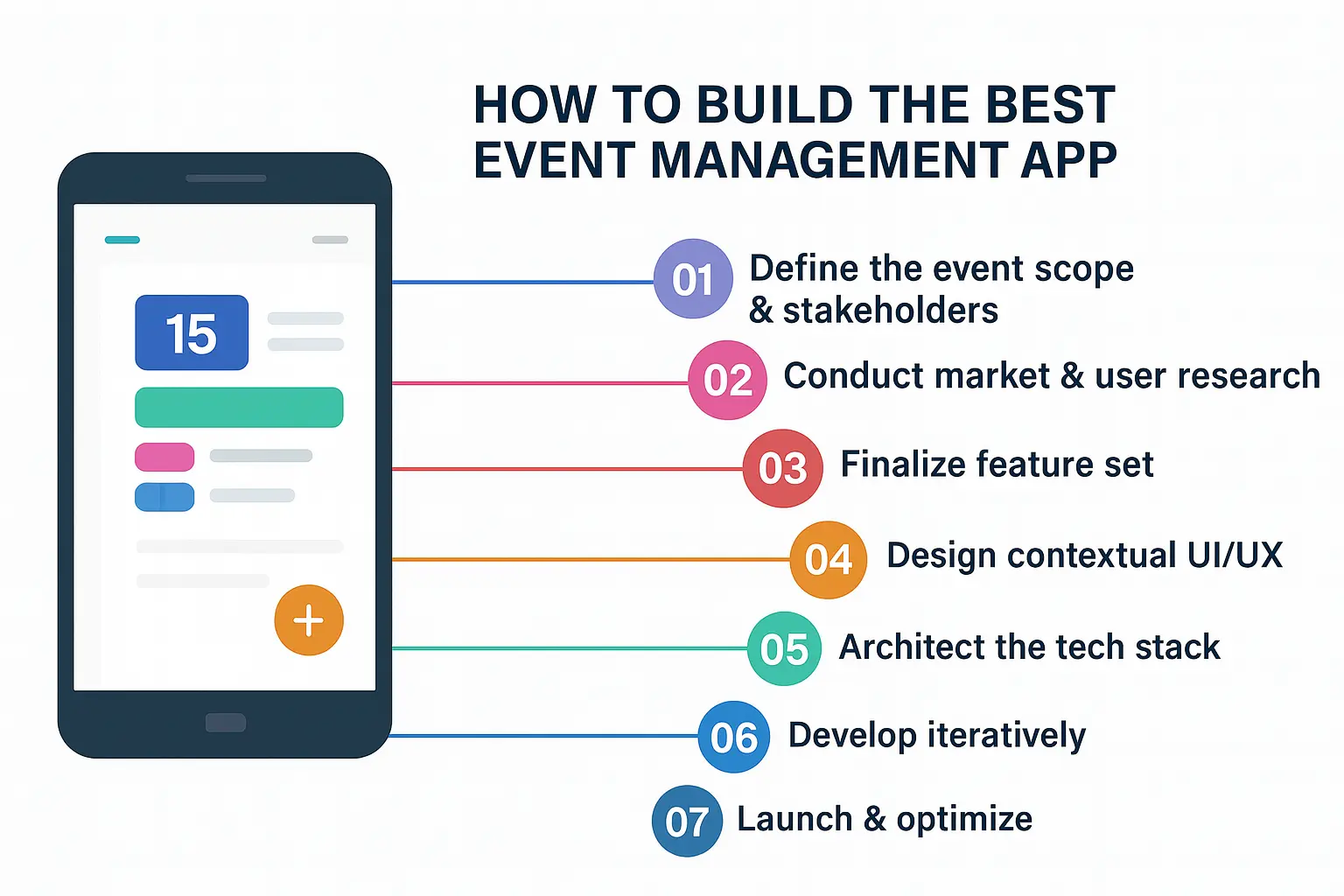
Below is a sample thematic table outlining a plan for fitness software development, focusing on key stages and timelines.
| Stage | Description | Timeline |
| Market Research | Analyze competition and target audience needs. | 2 weeks |
| Planning and Strategy | Define features, technology, and monetization strategy. | 3 weeks |
| Design | Create UI/UX mockups and prototypes. | 4 weeks |
| Development | Backend and frontend development. | 12 weeks |
| Testing | Conduct beta testing and quality assurance checks. | 4 weeks |
| Launch | Deploy the app on different platforms. | Ongoing |
| Post-Launch Support | Gather user feedback and plan updates or new features. | Ongoing |
Conclusion
Embarking on the journey of fitness application development in 2025 involves a blend of creative innovation, technical acumen, and a deep understanding of user needs. By leveraging emerging technologies like AI and AR, ensuring robust data security, and focusing on unique, user-driven features, you can create a fitness app that not only thrives but also transforms users’ lives. As the fitness industry continues to grow, developing a fitness app that combines technology with health can be rewarding both for the developer and the end-users. With the right planning and execution, your app could become the go-to fitness companion for millions, helping them achieve their wellness goals in an ever-changing tech landscape.