Creating a travel booking app is a multi-faceted and detailed process that requires an in-depth understanding of both programming and the travel industry. The increasing demand for convenient travel planning solutions has sparked a surge in travel booking application development. With a blend of innovative features and user-friendly interfaces, developing a travel booking app can be a lucrative endeavor. This article will explore the essential elements, steps, and considerations in travel booking mobile app development, providing insights into how to build a travel booking app that stands out in the crowded marketplace.
Understanding the Basics of Travel Booking App Development
Before diving into the specifics of travel booking app development, it’s crucial to understand the fundamental principles. Developing a travel booking app involves integrating features that allow users to search, compare, and book travel arrangements smoothly.
Travel booking applications are crafted to provide easy access to various travel services — hotels, flights, car rentals, and more — offering a seamless experience to both travelers and service providers. They must be intuitive, secure, and adaptable to ensure efficiency in booking and managing travel plans.
Key Features of a Travel Booking App
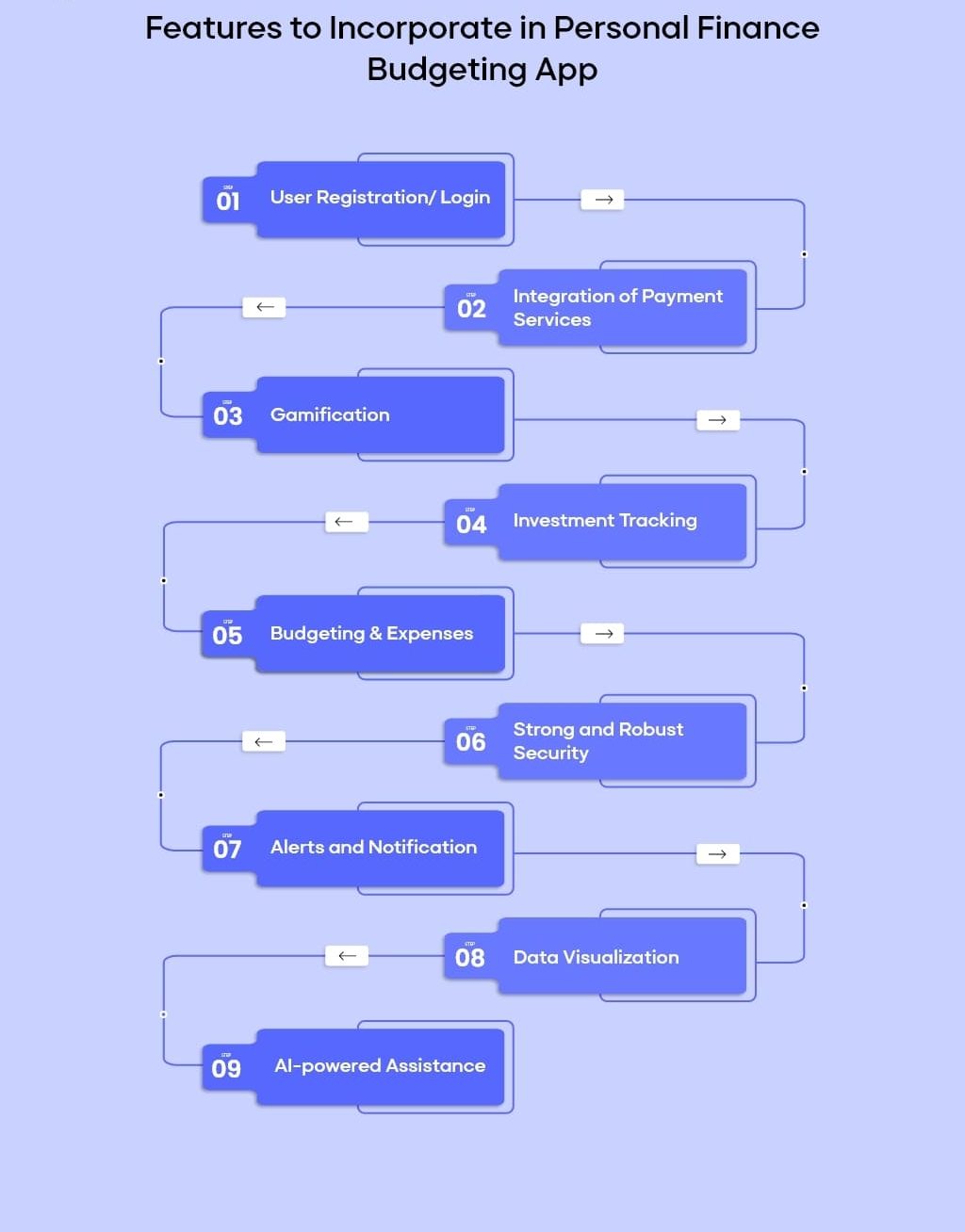
For a travel booking app to be competitive, it must include several essential features. These features enhance user interaction and provide the necessary functionality for effective travel management.
–Search and Filtering Options: Users need advanced search options to find flights, accommodation, and rental cars quickly. Filters for price, rating, location, and amenities enhance user experience.
–Secure Payment Gateway: Integrating a reliable and secure payment system is paramount. This allows users to book with confidence, knowing their financial information is protected.
–User Profiles: Allowing users to create profiles helps in personalizing the experience, storing preferences, and speeding up future bookings.
–Real-Time Booking and Cancellations: Providing the ability to book in real-time and offering a smooth cancellation policy increases user trust and satisfaction.
These features, when combined, contribute to the overall efficiency and appeal of the travel booking app.
How to Start Building a Travel Booking App
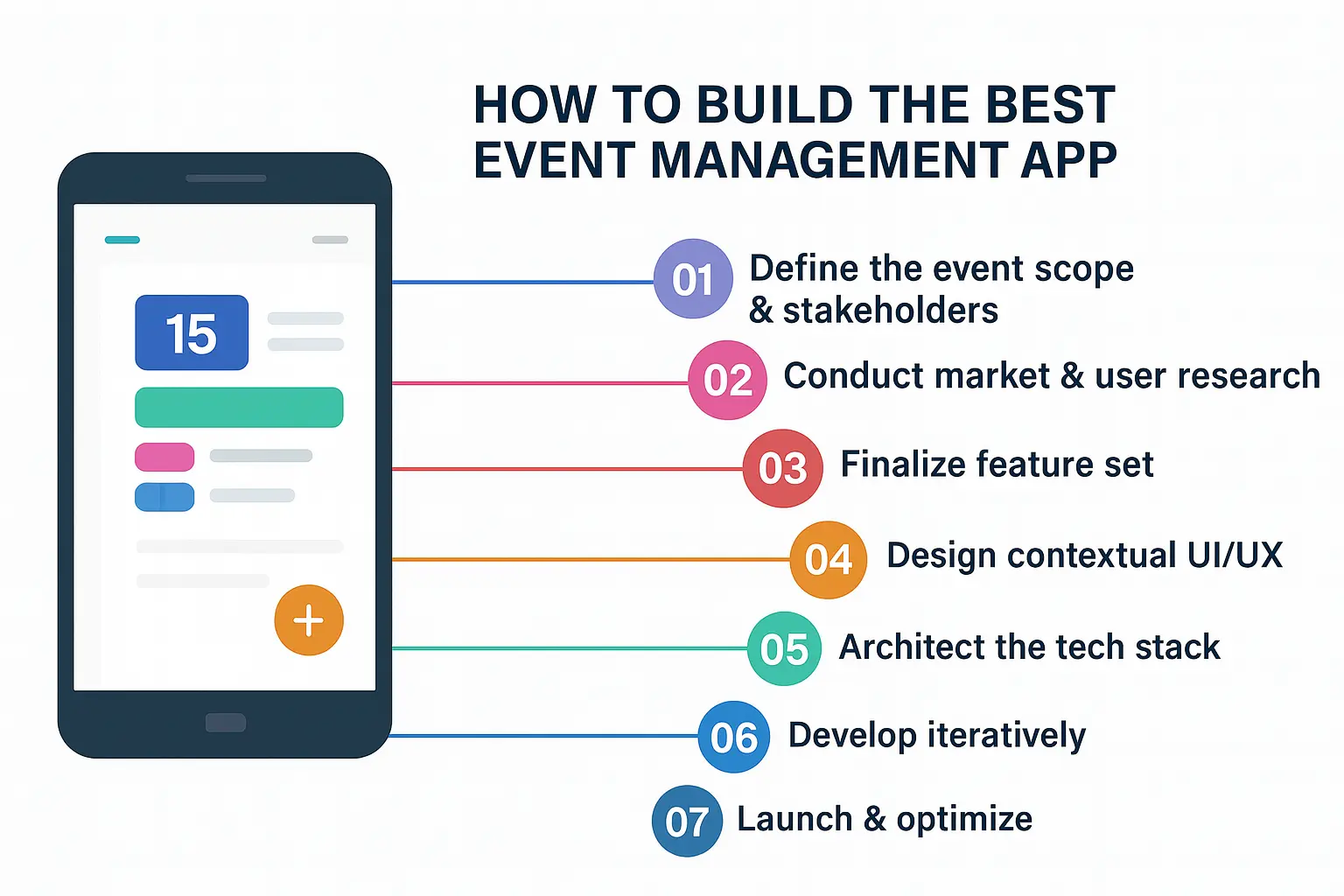
Knowing how to start a travel booking app involves careful planning and execution. The development phase should begin with a comprehensive market analysis to understand the current trends and user expectations.
Market research helps identify potential gaps in existing travel booking apps, offering insights on how to make your own travel booking app unique. Consideration of competitors’ strengths and weaknesses is essential for differentiating your app.
Setting Up Your Development Team
Creating a travel booking app requires a skilled team with expertise in various domains. The team should include:
-Developers specialized in both front-end and back-end development.
-UI/UX designers to create visually appealing and user-friendly interfaces.
-Quality assurance testers to ensure the app functions flawlessly.
-Marketing specialists for effective app promotion.
The team is crucial in transforming the concept into a fully functioning application, thus establishing a reliable foundation for your travel booking software development.
Designing the User Interface and Experience
Building a travel booking app with an intuitive user interface (UI) and exceptional user experience (UX) requires meticulous design efforts. The design should focus on making navigation smooth and interactions meaningful.
Aesthetically pleasing visuals entice users, but functionality ensures retention. Simplicity, consistency, and accessibility should guide the design process, ensuring users of all types can engage effortlessly with the app.
Implementing Core Functionalities
The implementation phase is where the key functionalities of your travel booking app come to life. It’s essential to prioritize features that offer distinct value and enhance usability.
–Booking System Integration: Integrating with travel service providers or global distribution systems is crucial for offering real-time availability and pricing to users.
–Review and Rating System: This feature helps in building trust and providing authenticity to the service offerings within the app.
–Push Notifications: Keeping users informed about special deals, booking confirmations, and travel alerts through timely notifications can significantly enhance engagement.
These core functionalities are fundamental to achieving smooth operation and user satisfaction within the travel booking mobile app development process.
Technology Stack for Travel Booking App Development
Choosing the right technology stack is a critical step in how to build a travel booking app. It involves selecting the tools, platforms, and programming languages that best fit your project requirements.
| Component | Technology Stack Options |
| Front-end | React Native, Flutter, Swift, Android SDK |
| Back-end | Node.js, Django, Ruby on Rails |
| Database | MySQL, MongoDB, PostgreSQL |
| Payment Gateway | Stripe, PayPal, Braintree |
| Cloud Services | AWS, Google Cloud, Microsoft Azure |
Selecting a combination of these technologies will ensure that your app is robust, scalable, and customizable.
Enhancing Security Measures
Security is paramount in travel booking tracker app development, especially when handling sensitive user data and payment details. Implementing SSL certificates, data encryption, and secure authorization mechanisms such as OAuth are necessary for protecting user information.
Regular security audits and updates should be part of the app maintenance routine to safeguard against new vulnerabilities.
Testing and Quality Assurance
Testing and quality assurance are crucial steps in travel booking software development. Rigorous testing ensures that all functionalities perform as expected and aligns with user needs.
Testing should cover various aspects, including functionality, usability, security, and performance. By addressing potential issues during this phase, you enhance the reliability and quality of the final product.
Launching and Marketing Your Travel Booking App
Once the development and testing phases are complete, it’s time to launch your travel booking app. A strategic launch plan includes targeted marketing activities to reach the intended audience effectively.
Engaging with travel bloggers, influencers, and utilizing social media platforms can enhance visibility. Offering promotions or discounts upon launch can also attract initial users and foster quick adoption.
Continuous Improvement and Updates
The development process doesn’t end with the app’s launch. Continuous improvement through regular updates, newer features, and user feedback integration is key to sustaining success in the competitive travel industry.
Monitoring user reviews and implementing changes based on feedback allows for ongoing enhancements and ensures that the app remains relevant and effective.
In conclusion, building a travel booking app requires thorough planning, development, and execution. By following these comprehensive guidelines, you will understand how to create a travel booking app that offers a distinguished service, meeting both business and user needs effectively. With careful attention to detail and a strategic approach, your journey in creating a travel booking app can lead to a successful venture in the travel tech ecosystem.