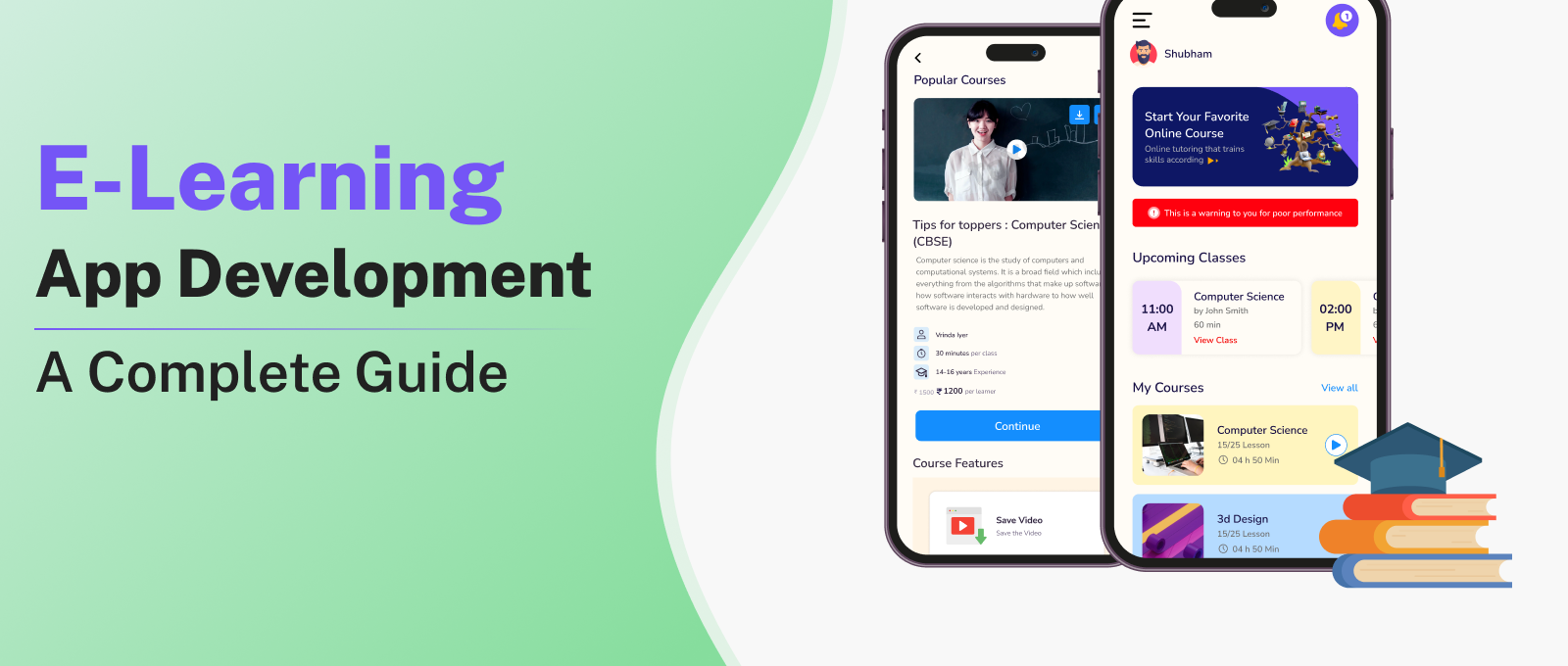
E-learning has revolutionized the way we acquire knowledge by breaking geographical barriers and providing flexible learning environments. As the demand for online education grows, so does the need for effective e-learning application development. If you’re considering creating an e-learning app, this comprehensive guide explores the essential steps and considerations necessary for success.
Understanding the E-Learning Environment
Before delving into the intricacies of e-learning app development, it’s crucial to comprehend the contemporary e-learning landscape. Understanding your potential users and their preferences will shape your development process.
E-learning has become an indispensable tool in educational institutions and corporate training. The convenience and accessibility of learning content through mobile devices have fueled a surge in e-learning mobile app development. When you aim to build a e-learning app, it is important to consider the diverse needs of learners and educators globally.
Planning and Defining Your E-Learning App’s Objectives
Effective planning is the cornerstone of any successful app development project. Clearly defining the objectives of your e-learning app will give you a clear direction and ensure focused development efforts.
Identifying Your Target Audience
In designing an app that meets user expectations, begin by identifying your target audience. Consider whether your app is aimed at students, professionals, or a broad audience that includes both. Understanding the demographic and technical know-how of your users will guide feature prioritization when you create e-learning app solutions.
Determining Key Features
To stand out in the competitive e-learning market, your app must have attributes that address the real needs of learners and educators. Essential features may include user-friendly interfaces, offline access, interactive content delivery, progress tracking, and distinct user profiles. Consider implementing a well-designed e-learning tracker app development that empowers users with personalized learning journeys.
Selecting the Right Technology Stack
Choosing the appropriate technology stack is pivotal for the successful implementation of e-learning software development. Your technology stack decisions will impact the app’s scalability, maintainability, and overall functionality.
Front-end Development
For a rich and engaging user interface, front-end technologies such as React Native or Flutter provide the tools necessary for building cross-platform mobile applications. These technologies play a vital role in how to create your own e-learning app with a seamless user experience irrespective of device type.
Back-end Development
When developing a e-learning app, back-end technologies like Node.js, Django, or Ruby on Rails can support robust server-side functionalities. These technologies are well suited for managing content, user authentication, and personalized access that underpin how to build a e-learning app.
Database and Cloud Integration
Choosing the right database (such as MongoDB or PostgreSQL) ensures efficient data storage and retrieval. Cloud providers like AWS or Google Cloud can enhance how you build your own e-learning app, enabling scalable hosting and seamless deployment.
Incorporating AI and Machine Learning
One of the key trends in e-learning is the incorporation of AI and machine learning. These technologies personalize learning experiences, offering automated insights and adaptive learning pathways that revolutionize how to make a e-learning app.
Designing User-Centric Interfaces
The success of any e-learning application lies in providing an intuitive and engaging interface. A thoughtful UI/UX strategy ensures users can navigate and interact with content effortlessly.
Creating Intuitive Navigation
When aiming to make my own e-learning app, prioritize clarity and simplicity in navigation. Users should seamlessly move from one learning module to another without confusion, enhancing their overall experience and satisfaction.
Enhancing Visual Appeal
Visual appeal is a critical factor in maintaining user interest. Using interactive graphics, color palettes aligned with your branding, and consistent typography can make your app engaging and memorable.
Accessibility and Usability Considerations
Ensure your app is accessible to all users, including those with disabilities. This might involve features like text-to-speech, adjustable font sizes, and clear contrasting colors.
Development Process and Best Practices
With your objectives, features, and technology stack defined, proceed to the development phase with established practices to streamline the process.
Agile Methodology
Employ Agile methodology for iterative development, allowing for regular testing, feedback incorporation, and iterative improvements. This approach proves beneficial when you aim to efficiently build e-learning app solutions that meet evolving user demands.
Continuous Integration and Testing
Implement continuous integration and regular bug testing. Testing ensures your e-learning app functions correctly and delivers quality assurance before deployment.
Deployment and Scalability
Prepare for seamless integration and deployment to app stores, preparing for potential scalability needs as your user base grows. Cloud-based resources can be scaled up or down as required, proving useful in e-learning tracker app development.
Marketing and Monetization Strategies
Once your e-learning app is developed, it’s essential to market it effectively and explore lucrative monetization options.
Crafting a Marketing Plan
Create a strategic marketing plan that includes SEO, social media engagement, email campaigns, and partnerships with educational institutions to expand your reach effectively when you launch and grow your e-learning app.
Monetization Models
Choose a viable monetization model, whether it’s freemium, subscription-based, or in-app purchases. Offer free access to core features to attract users and convert them into paying customers as part of how to make a e-learning app profitable.
| Monetization Model | Description | Examples |
| Freemium | Free basic access with optional upgrades | Duolingo, Coursera |
| Subscription | Regular periodic payments for full access | LinkedIn Learning, MasterClass |
| In-App Purchases | One-time payments for additional content/features | Khan Academy Kids, Edmodo |
Future Trends and Innovations in E-Learning App Development
The e-learning sector continues to evolve, driven by emerging technologies and innovative educational strategies. Stay ahead by embracing these trends.
Virtual and Augmented Reality
VR and AR enable immersive experiences, transforming the way users interact with digital content. These technologies bridge the gap between theoretical learning and practical application, signaling new horizons in developing a e-learning app.
Gamification
Incorporate elements of gamification to boost engagement and motivation. Points, badges, leaderboards, and interactive puzzles can make learning more enjoyable, supporting how to build a e-learning app that captivates users.
The Role of Blockchain
Blockchain technology offers secure solutions for credential verification and content protection, addressing concerns of academic integrity in e-learning mobile app development.
Conclusion
Whether you’re an educational institution, a startup, or a corporate body looking to enhance training programs, the decision to create a e-learning app is a strategic one. By following this guide, you can confidently navigate the complexities of e-learning app development and deliver a solution that meets user needs while embracing technological advancements. Embrace the journey of learning how to develop a e-learning app, and empower learners around the globe with accessible and innovative educational experiences.