In the rapidly evolving digital landscape, video streaming remains a powerful medium of content delivery. Understanding how to create a video streaming app in 2025 requires a grasp of both technical frameworks and the nuanced demands of today’s audiences. This article delves into the essential facets of video streaming application development, from conception to deployment.
The Basics of Video Streaming Application Development
Video streaming application development is the process of designing, building, and launching a platform that allows users to view video content over the internet in real-time. This involves a range of technologies and strategies focused on ensuring consistent quality, user engagement, and reliable delivery.
With the demand for high-quality streaming services continuing to rise, creating a video streaming app means understanding both technical and market-driven considerations. Whether your goal is to create a video streaming app free or develop a more comprehensive platform, there are several key principles to follow.
Key Components to Consider for Effective Video Streaming App Development
Developing a video streaming app in 2025 requires a keen understanding of several core components that ensure seamless streaming and user satisfaction. These components include versatile app architecture, efficient video encoding, and user-friendly design.
A robust architecture forms the backbone of any video streaming platform. It should support scalable server infrastructures to handle varying loads, resilient network protocols for minimal buffering, and reliable storage solutions for video content. Video streaming mobile app development, in particular, emphasizes lightweight yet powerful structures to accommodate a wide range of devices.
Selecting the Right Technologies for Building a Video Streaming App
How to create a video streaming app that stands out in 2025 involves choosing appropriate technologies that align with your objectives. Whether you’re creating a video streaming app for mobile or desktop, the technology stack should support both current and future needs.
Commonly, technologies like HTML5 for player interfaces, and adaptive bitrate streaming protocols, such as HLS or MPEG-DASH, are employed to deliver smooth and quality video playback. In video streaming software development, cloud-based solutions like AWS or Azure provide scalable and reliable backends, ensuring that the infrastructure can grow alongside your user base without compromising performance.
Implementing Essential Features in a Video Streaming App
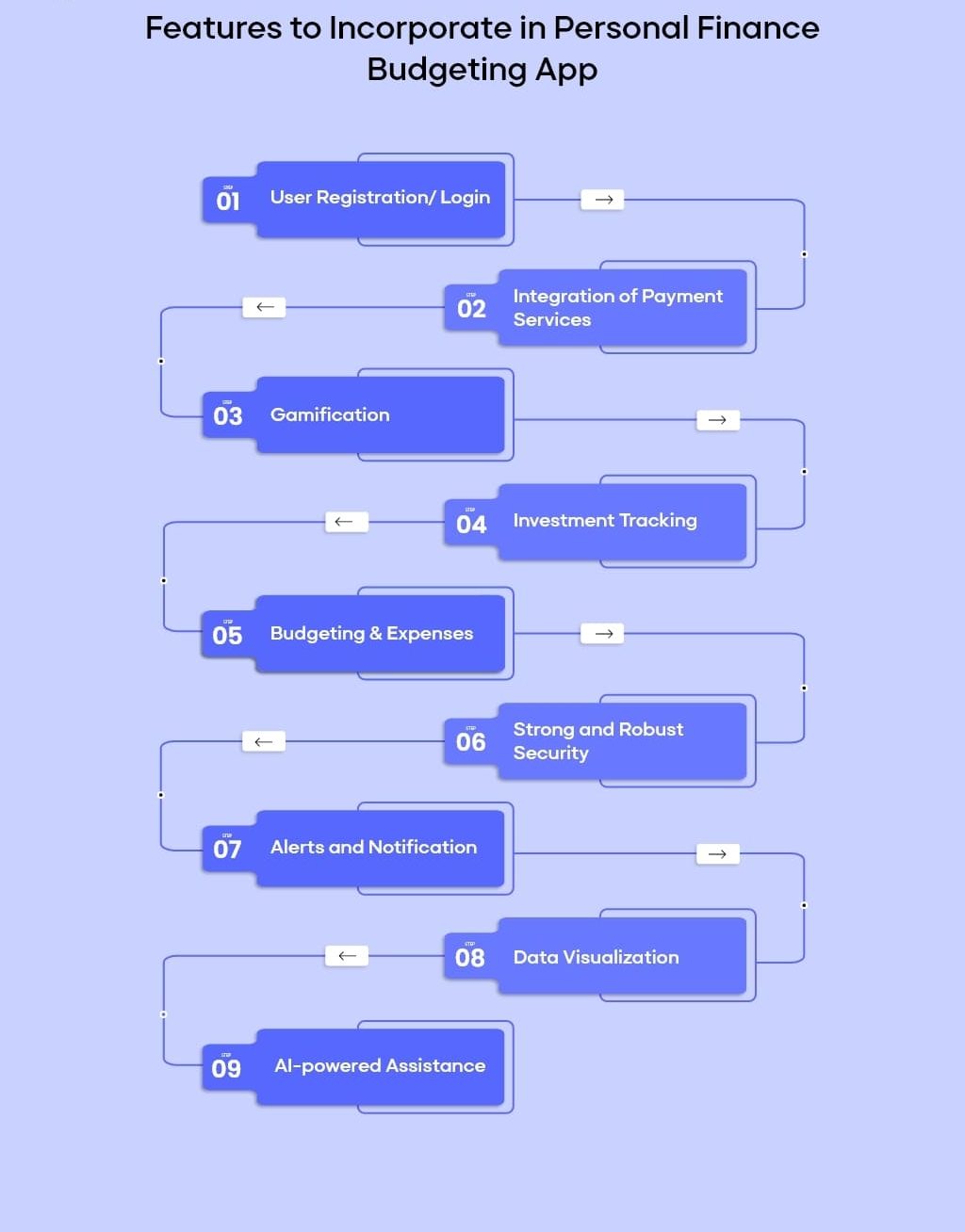
To develop a video streaming app that captures and retains users’ interest, integrating essential features is a top priority. Critical functionalities include user authentication, content recommendation algorithms, and sophisticated search capabilities.
User authentication ensures personalized experiences, while content recommendation systems powered by AI can increase viewing durations and satisfaction. For those considering how to make a video streaming app with robust interactivity, features like live chat, comments, and social sharing can significantly bolster user engagement.
The Role of Security in Video Streaming Mobile App Development
Security is paramount in video streaming mobile app development, protecting both content and user data. Incorporating measures like end-to-end encryption, secure payment gateways, and DRM (Digital Rights Management) keeps your video streaming app and its users safe.
When you build a video streaming app, especially one involving proprietary content, ensuring that all transmitted data is secure from interception is crucial. How to develop a video streaming app that maintains user trust involves constantly updating security protocols to counter emerging threats.
Stages of Video Streaming App Development: From Concept to Launch
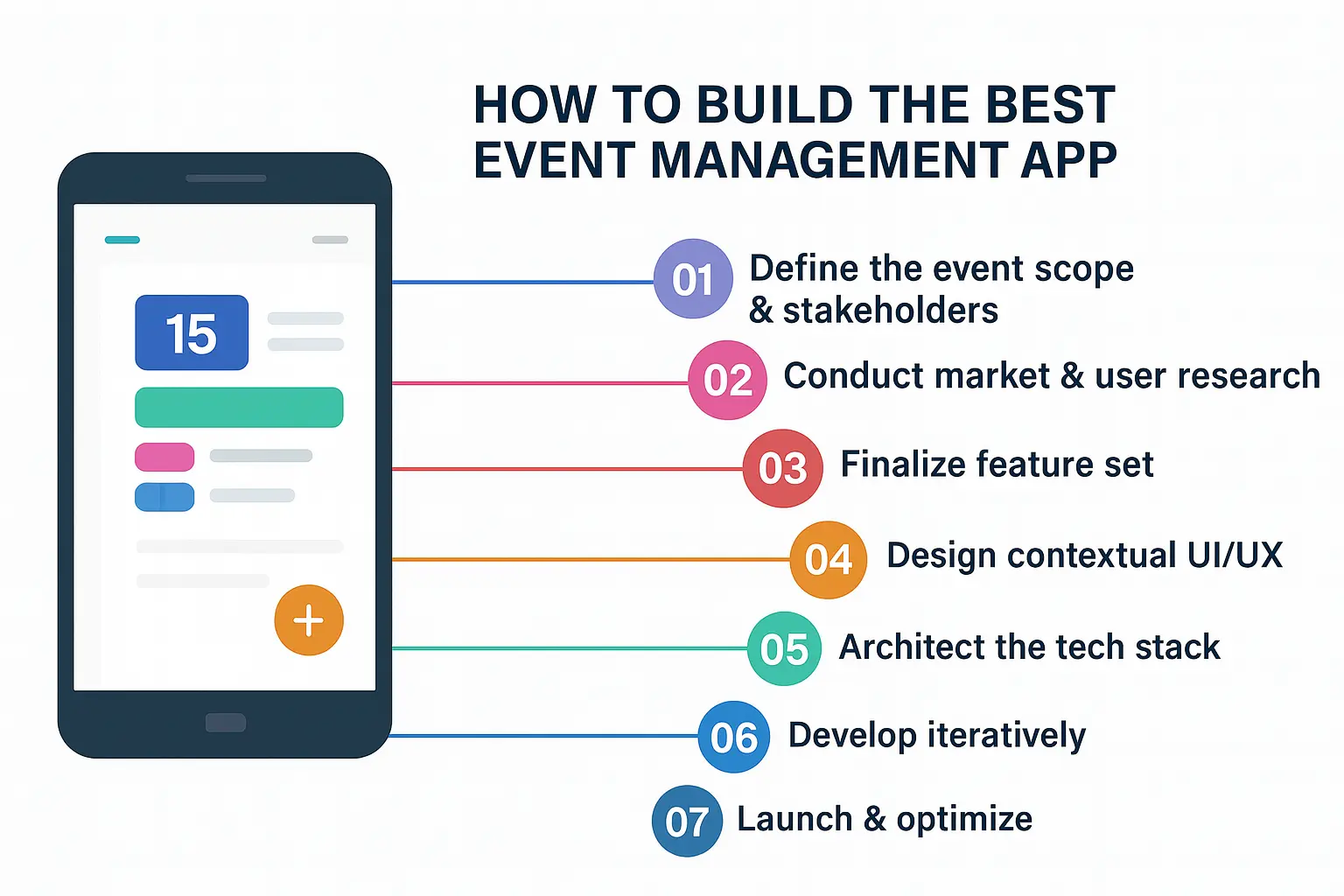
The process of how to start a video streaming app involves several stages, all of which are critical for a successful launch. These include initial planning, designing, development, testing, and finally, deployment.
Initially, thorough market research should dictate features and functionality, understanding what competitors offer versus unmet user needs. The subsequent design phase should focus on intuitive interface and user experience. Development involves coding and integrating required features, while extensive testing ensures that all elements work as intended. Finally, deployment involves rolling out your app to users and beginning marketing efforts.
Monetization Strategies for a Successful Video Streaming App
Creating a video streaming app not only requires robust development but also clear monetization strategies. Options include subscription models, pay-per-view offerings, ad-supported streams, or a combination of these, based on your target audience’s preferences.
How to create a video streaming app that generates revenue involves aligning monetization strategies with consumer expectations, ensuring that paid elements enhance rather than detract from the user experience. In building a video streaming app, exploring premium content or exclusive features for subscribers can yield additional revenue streams.
Identifying the Challenges in Video Streaming App Development
Developing a video streaming tracker app or a full-scale platform presents unique challenges. These range from managing large volumes of data and ensuring low-latency streaming to dealing with content licensing and copyright issues.
How to make your own video streaming app that effectively addresses these challenges often depends on anticipating potential issues early in the development phase. Building in flexibility to adapt to new viewer behaviors or regulatory requirements plays a critical role in long-term success.
Future Trends to Consider in Video Streaming Software Development
As technology advances, several future trends are emerging in video streaming software development. These include the integration of AI and machine learning for content personalization and automated content creation, as well as the use of AR and VR to enhance viewer experiences.
Embracing these trends when you make your own video streaming app can set your platform apart in a competitive market. Moreover, as 5G technology becomes widespread, its impact on streaming quality and accessibility will be significant, making mobile-first strategies more crucial than ever.
Key Technology Trends for 2025
| Emerging Technology | Impact on Video Streaming |
| 5G Networks | Enables higher quality streaming and real-time interactions with reduced latency. |
| AI & Machine Learning | Revolutionizes content recommendations and viewer analytics. |
| VR/AR Integration | Offers immersive viewing experiences, enhancing user engagement. |
| Cloud Computing | Provides scalable and efficient storage and processing capabilities. |
Conclusion: Bringing Your Video Streaming App Idea to Life
Building a video streaming app is an intensive process that, when executed effectively, can offer significant rewards. By comprehensively understanding the nuances of video streaming application development, including selecting the right technologies, implementing essential features, and planning for future trends, you can create a robust platform.
Whether you’re aiming to create your own video streaming app or expand an existing offering, staying abreast of technological advancements and user expectations is crucial. As we look forward to 2025, innovative strategies and adaptive techniques will remain at the core of successful video streaming app development, ensuring that your application not only meets but anticipates the needs of its audience.