In today’s rapidly advancing digital landscape, telemedicine has become a cornerstone in the healthcare industry, providing accessible, cost-effective, and efficient healthcare solutions. As we look ahead to 2025, the need for telemedicine application development is more critical than ever. This article will guide you through the intricacies of creating a telemedicine app, highlighting the necessary steps for successful telemedicine app development and the key considerations essential for making your own telemedicine app.
Understanding Telemedicine and Its Growth
The world has witnessed a phenomenal rise in telemedicine during the past decade. As we venture into the future, building a telemedicine app is not just an opportunity but a necessity.
With advancements in technology, telemedicine has made significant strides, offering solutions that allow patients and healthcare providers to communicate efficiently through various digital platforms. This model has proven to reduce healthcare costs and bring convenience to medical service provision, especially in remote and rural areas. Understanding the core functionalities and addressing current trends will provide a solid foundation for creating a telemedicine app.
Market Analysis for Telemedicine App Development
Before you begin developing a telemedicine app, it’s essential to comprehend the market landscape. The industry has shown exponential growth due to increasing smartphone penetration and advancements in Internet connectivity. By the end of 2025, the demand for telemedicine is poised to grow further, fueled by an aging population and a greater emphasis on health accessibility.
When considering how to start a telemedicine app, analyze competitive applications to understand their strengths and weaknesses. Evaluate user feedback and identify market gaps that your app can fill. Understanding market dynamics will play a crucial role in determining the unique value proposition of your app and how to position it effectively.
Essential Features of Telemedicine Applications
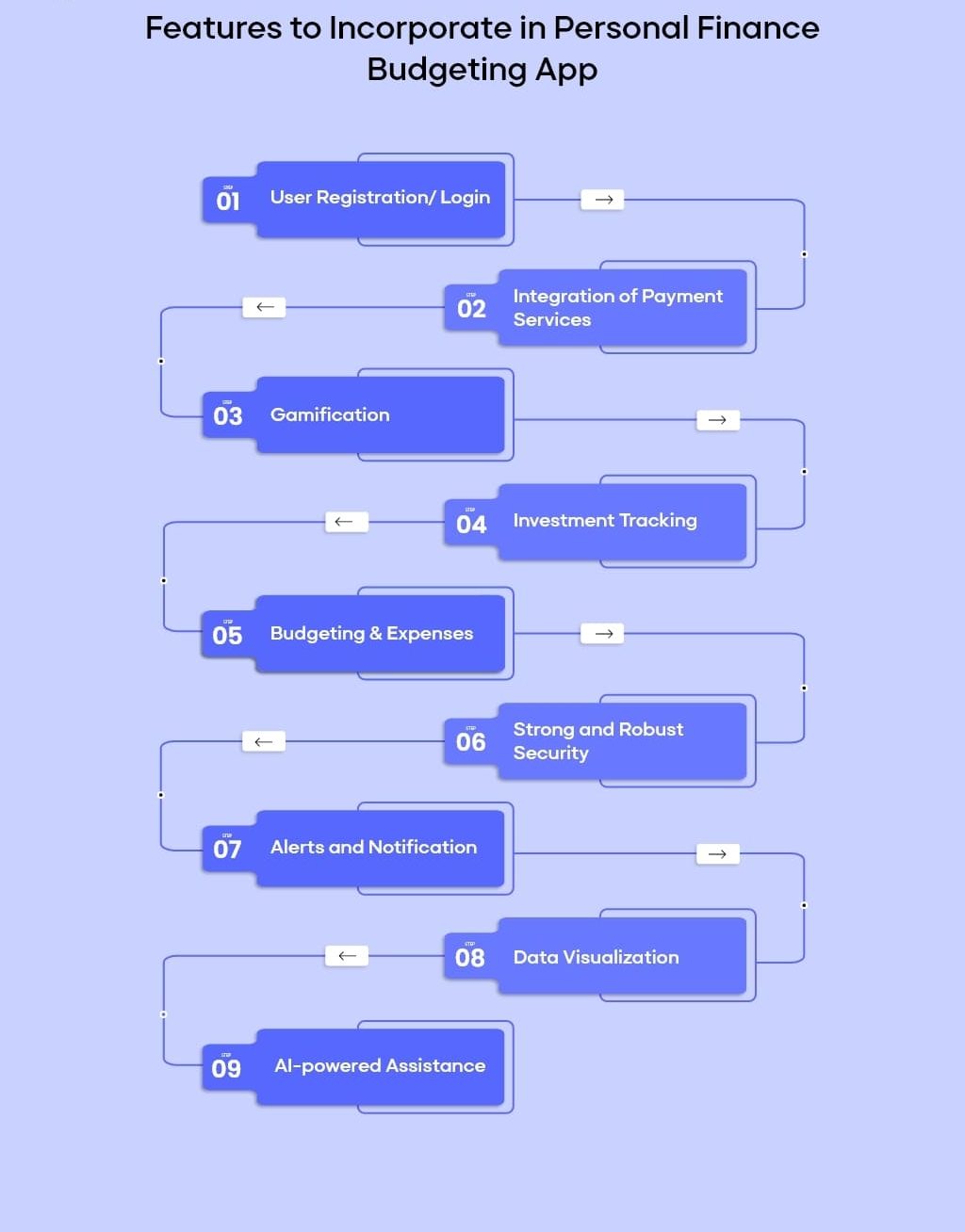
Creating a telemedicine app requires careful consideration of its features. Essential functionalities include video conferencing, electronic health records (EHR) integration, scheduling systems, and secure payment gateways. Developing these features will ensure seamless and effective communication between doctors and patients.
Designing a user-friendly interface is critical for enhancing user experience. Keep in mind that developing a telemedicine app involves attention to detail, from simplifying the navigation process to providing a responsive design adaptable to various devices. Prioritize security and privacy, as handling sensitive health data requires compliance with health regulations such as HIPAA or GDPR.
Technical Aspects of Telemedicine App Development
The technical architecture of a telemedicine app plays a vital role in its success. This section will delve into the technical requirements for how to build a telemedicine app.
- Platform Selection: Deciding between Native, Hybrid, or Web applications impacts development time, cost, and app performance. Choose a platform that aligns with your target audience and business goals.
- Back-end Development: The server-side of your app must be robust enough to handle concurrent users, data storage, and seamless data transmission. Employing cloud solutions offers scalability and flexibility.
- API Integration: APIs are crucial in enabling functionalities such as payment systems, video calls, and integration with third-party services.
- Security Protocols: Enforcing stringent security measures is non-negotiable. Implement encryption protocols, ensure data anonymization, and verify app security through persistent testing.
How to Develop a Telemedicine App: Step-by-Step
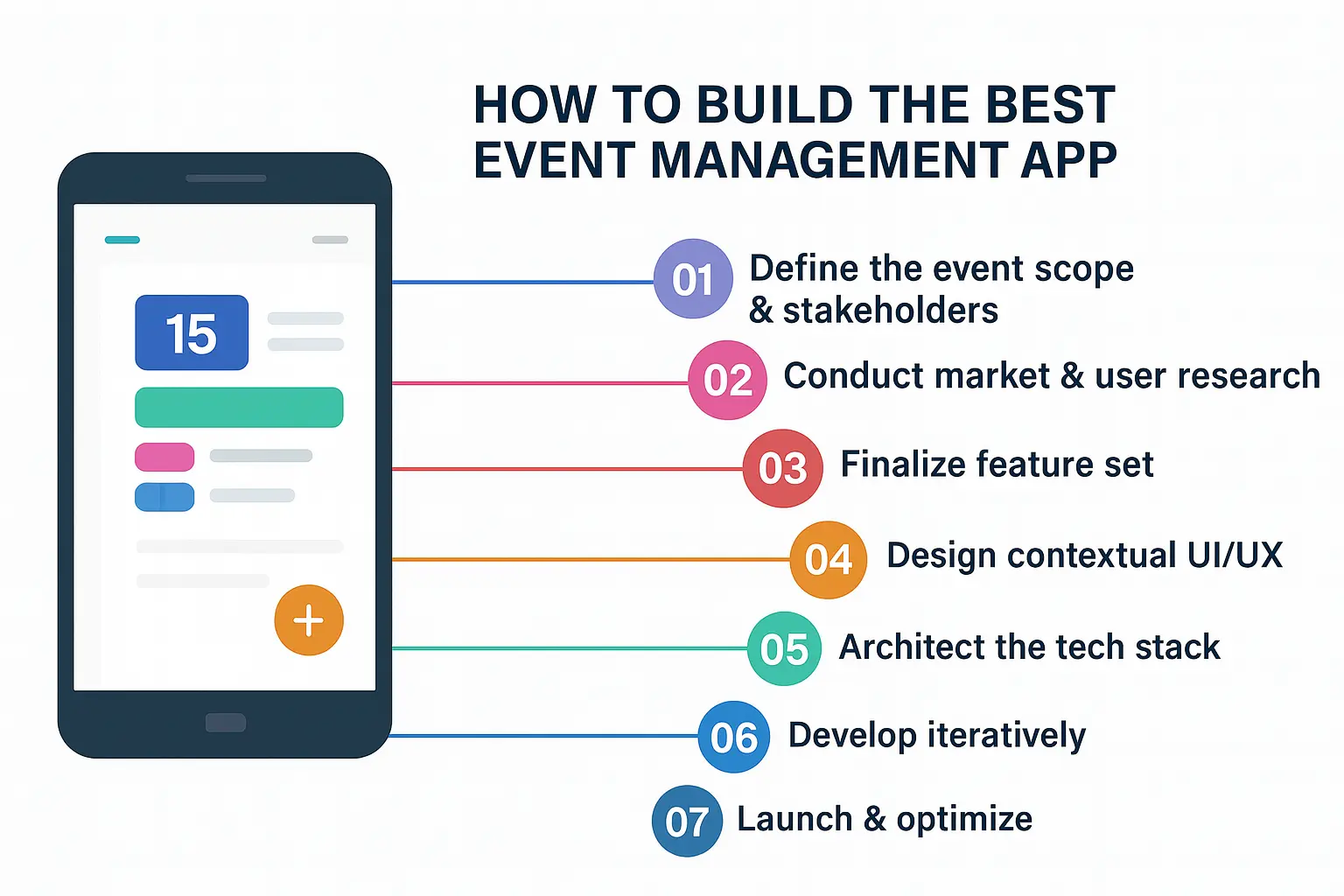
The telemedicine app development process can be structured into various stages. Let’s explore these stages to understand better how to create your own telemedicine app:
Planning and Research
Before diving into development, thoroughly research and plan your app. This stage involves gathering requirements, defining the scope, identifying key stakeholders, and determining the app’s budget.
Design and Prototyping
In this stage, design the app’s architecture and develop wireframes. This visual representation will guide the user interface and the app’s flow. Prototyping is a crucial step to test functionalities before fully-fledged development begins.
Development
Start with the development of the minimum viable product (MVP) to ensure core functionalities are up and running. During this phase, focus on coding, integrating technologies, and developing the back-end infrastructure effectively.
Testing
Comprehensive testing is fundamental to ensure the app functions seamlessly and adheres to all necessary health regulations. This includes testing for bugs, user acceptance, load handling, and compliance with security protocols.
Deployment and Maintenance
Once testing is complete, deploy your telemedicine app to app stores or make it available online. Post-launch, continuous maintenance will be necessary to update features, fix bugs, and adapt to user feedback.
Challenges in Developing a Telemedicine App
Despite its potential, creating a telemedicine app comes with its set of challenges. Building a telemedicine app involves navigating complex regulatory environments, ensuring interoperability, and maintaining consistent user engagement.
Regulatory compliance is perhaps the most challenging aspect of telemedicine software development. Different regions have varying laws surrounding telehealth, and understanding these regulations is essential.
Interoperability with existing medical systems can be difficult. Seamless integration with hospital information systems, PACS, and other health information technology systems requires sophisticated API development and testing.
Future Prospects in Telemedicine App Development
The future of telemedicine and telemedicine mobile app development is promising. With advancements in artificial intelligence and machine learning, telemedicine apps in 2025 are expected to offer more personalized healthcare solutions. The integration of IoT devices, wearable technology, and augmented reality will further enhance patient care by providing real-time monitoring and data analysis.
Moreover, blockchain technology holds potential in ensuring secure, transparent, and tamper-proof health records, reducing fraud, and ensuring accountability.
Table: Key Technologies in Telemedicine App Development
| Technology | Application | Benefits |
| Artificial Intelligence | Virtual health assistants, predictive analytics | Personalized care, efficiency |
| IoT | Wearable health-tracking devices | Real-time monitoring |
| Blockchain | Secure medical record keeping | Data security, transparency |
| Cloud Computing | Scalable data storage and management | Cost-effective, scalable solutions |
| Augmented Reality | Virtual consultations | Enhanced patient interaction |
Conclusion
The intricacies of how to create a telemedicine app encompass technical challenges, regulatory considerations, and market dynamics. However, the rewards of successful telemedicine app development are substantial, offering scalable, adaptable, and accessible healthcare solutions to a global audience. By thoroughly understanding the requirements and strategically planning each development phase, you can create telemedicine app solutions that meet modern healthcare demands.
The telemedicine revolution is just beginning, and developing a telemedicine app today is an investment in the future of healthcare. Whether you want to make your own telemedicine app or explore new telemedicine tracker app development, the key is to stay informed, adapt to new technologies, and always prioritize the needs of your users.