The landscape of healthcare is undergoing a significant transformation, fueled by technological advancements and a growing emphasis on digital solutions. One such innovation is telehealth, which has become a cornerstone of modern healthcare delivery, particularly in light of the COVID-19 pandemic. As we look towards 2025, the demand for telehealth application development is only anticipated to grow. This article aims to provide a comprehensive guide on how to create a telehealth app, exploring the necessary steps, tools, and considerations involved in telehealth app development.
Understanding Telehealth Application Development
Telehealth application development is the process of creating digital solutions that enable healthcare services to be provided remotely. This encompasses a wide range of applications, from telehealth tracker apps that monitor patient data to comprehensive platforms that facilitate virtual consultations between doctors and patients. Understanding the core aspects of telehealth software development is crucial for anyone looking to enter this dynamic field.
In essence, developing a telehealth app involves integrating multiple functionalities such as video conferencing, secure messaging, appointment scheduling, and electronic health records (EHR) management. As we advance towards 2025, these features must be seamlessly integrated into a user-friendly interface that prioritizes patient confidentiality and data security.
The Basics of Creating a Telehealth App
The journey of creating a telehealth app begins with a clear understanding of your target audience and the specific healthcare needs you aim to address. This step involves conducting thorough market research to identify the gaps in existing telehealth solutions and determining how your app can bridge those gaps effectively.
Once you have a clear vision, the next step is to choose the appropriate platform for telehealth mobile app development. Whether you decide to build a telehealth app for iOS, Android, or both, selecting the right platform will influence your app’s reach and functionality. Moreover, you should consider the technological stack and the framework that will best suit your app’s requirements, ensuring scalability and robustness.
Key Features of a Telehealth App
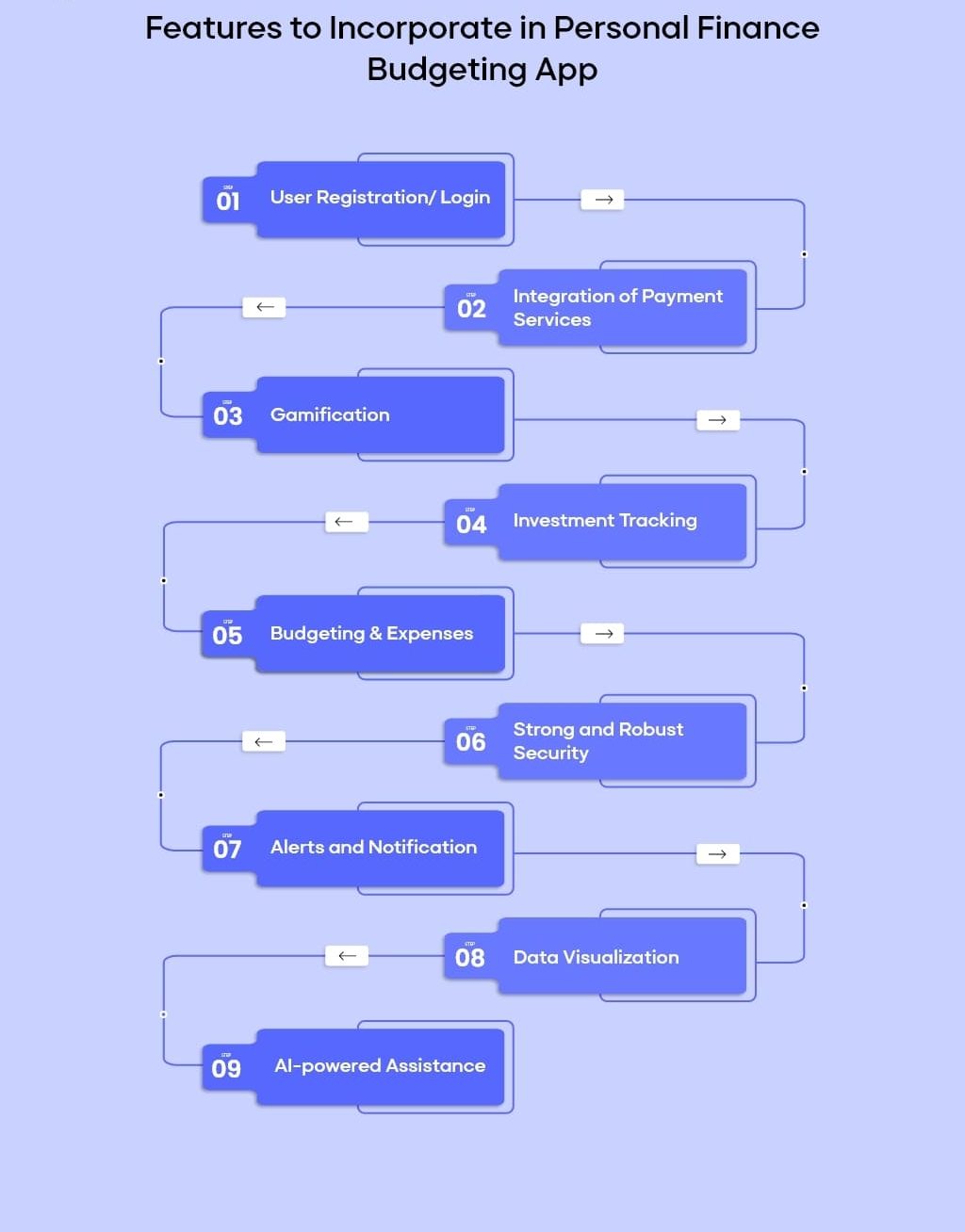
When you set out to create a telehealth app, it is crucial to integrate features that enhance user experience and streamline healthcare delivery. Here are some vital features to consider during telehealth app development:
1. User Registration and Profiles
A user-friendly registration process with detailed profiles for both patients and healthcare providers is fundamental. This feature should facilitate secure login and allow users to manage their personal information and preferences easily.
2. Appointment Scheduling
This feature enables users to book, reschedule, or cancel appointments with healthcare providers. An integrated calendar system can enhance this functionality, providing reminders and synchronization with other calendar applications.
3. Video Conferencing and Messaging
Telehealth relies heavily on communication tools that allow real-time interaction between patients and healthcare providers. High-quality video conferencing and secure messaging are essential to maintain reliable communication while ensuring patient confidentiality.
4. Electronic Health Records (EHR)
Incorporating EHR functionality allows healthcare providers to access and update patient records seamlessly. This feature should be designed to comply with healthcare regulations such as HIPAA to protect patient data.
5. Prescription Management
An efficient prescription management system enables providers to prescribe medication digitally and allows patients to receive prescriptions directly through the app. This feature can improve patient adherence to treatment plans by streamlining the process of prescription fulfillment.
6. Telehealth Tracker Integration
For those developing a telehealth tracker app, it’s essential to integrate tools that track vital signs and other health metrics. This data can be shared in real time with healthcare providers, enhancing the quality of care.
Steps to Develop a Telehealth App
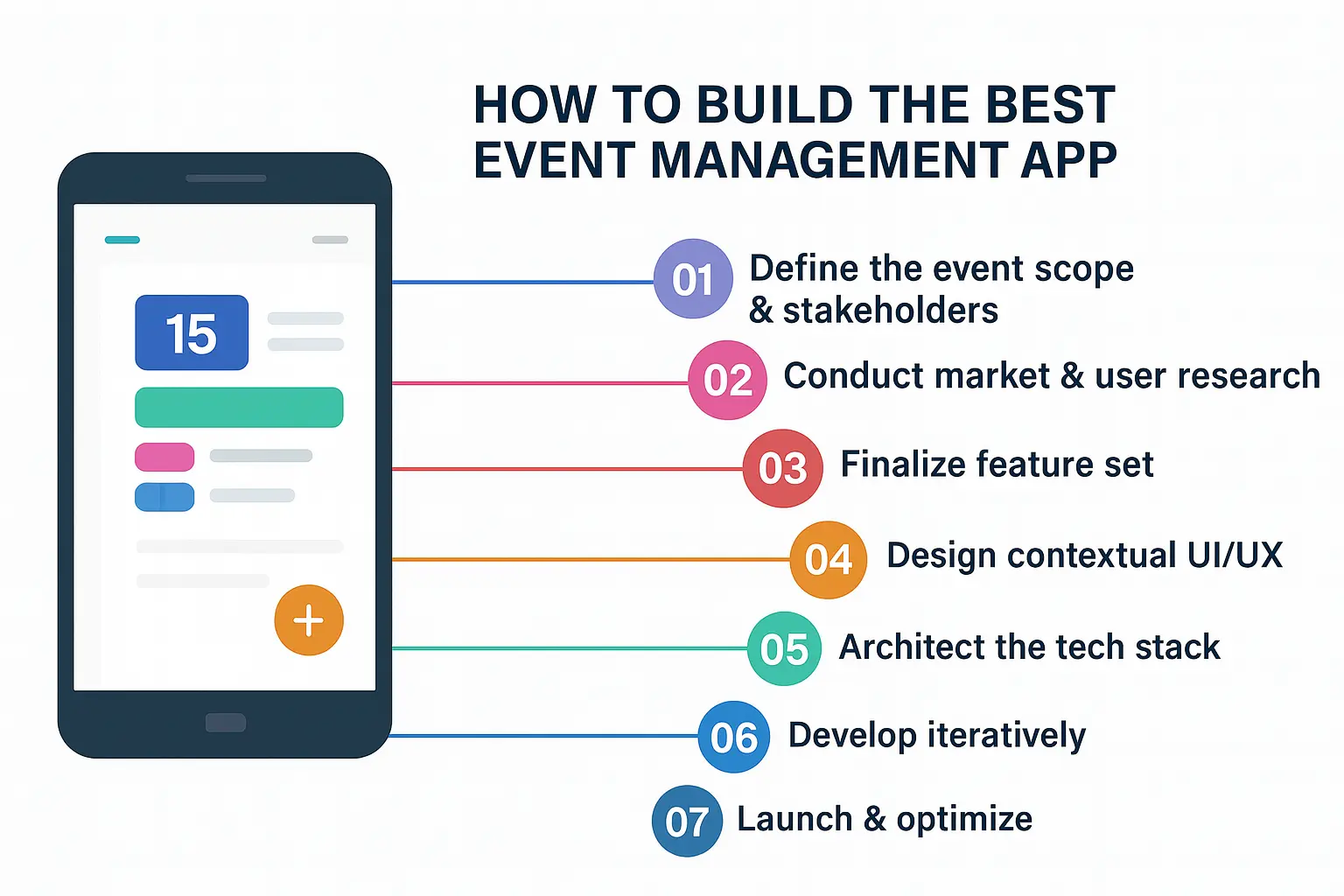
Developing a telehealth app requires meticulous planning and execution. Here are the key steps to guide you through the process:
Step 1: Define Your App’s Purpose and Concept
Start by defining the primary purpose of your telehealth app. Consider the specific problems it will solve and the unique features that will set it apart from existing solutions. Establish a clear concept that guides your app’s design and development process.
Step 2: Conduct Market Research
Market research is crucial for understanding the competitive landscape and identifying your target audience’s needs. Analyze existing telehealth apps to understand their strengths and weaknesses, and gather insights into customer preferences and expectations.
Step 3: Choose a Development Partner
Select a reliable technology partner with expertise in telehealth software development. Collaborate with a team that understands the healthcare industry’s complexities and can provide technical guidance throughout the development process.
Step 4: Design User-Friendly Interfaces
Focus on designing intuitive user interfaces that enhance user engagement. The design should be simple yet functional, allowing users to navigate through the app effortlessly. Prioritize accessibility and ensure the app can be used by patients and providers of all skill levels.
Step 5: Develop and Test the App
Begin the development phase by building your app’s core functionalities. Use agile development methodologies to iterate quickly and address any issues that arise. Testing should be thorough and continuous, identifying and resolving bugs to ensure a seamless user experience.
Step 6: Ensure Compliance with Regulations
Telehealth apps must comply with various healthcare regulations, including data privacy laws such as HIPAA and GDPR. Implement robust security measures to protect user data and ensure your app aligns with legal requirements.
Step 7: Launch and Market the App
Once development and testing are complete, launch your telehealth app on the selected platforms. Develop a comprehensive marketing strategy to promote your app, highlighting its unique features and benefits to attract users and healthcare providers.
Challenges in Building a Telehealth App
While building a telehealth app presents numerous opportunities, it also comes with challenges that must be addressed effectively. One of the primary challenges is ensuring data security and adhering to privacy regulations. With sensitive patient information being shared through telehealth platforms, robust encryption and secure data handling are paramount.
Another challenge lies in achieving seamless integration with existing healthcare systems and devices. This integration is vital for providing accurate, up-to-date information to healthcare providers and facilitating a cohesive healthcare experience for patients.
The Future of Telehealth App Development
As we project into 2025, the future of telehealth app development looks promising, largely driven by technological advancements in areas such as artificial intelligence (AI) and machine learning (ML). These technologies have the potential to enhance telehealth solutions significantly by enabling predictive analytics, personalized treatment plans, and improved patient outcomes.
Furthermore, as 5G technology becomes more widespread, the connectivity and speed of telehealth applications are expected to improve, offering more reliable and uninterrupted services. This advancement will facilitate the expansion of telehealth services to rural and underserved areas, further democratizing access to healthcare.
Cost and Timeline Considerations for Telehealth App Development
The cost of developing a telehealth app can vary significantly based on several factors, including the complexity of features, the choice of platform, and the geographical location of your development partner. It is essential to define a clear budget and timeline from the outset to ensure that your telehealth app development stays on track.
| Factor | Estimated Impact on Cost |
| Platform Choice | iOS, Android, or both; impacts reach and technology stack |
| Feature Complexity | More features can increase development time and cost |
| Development Partner | Location and expertise of the partner affect pricing |
| Design Requirements | Custom designs and UI/UX expertise may require additional investment |
| Compliance Needs | Adhering to regulations like HIPAA can add to costs |
Conclusion: How to Create Your Own Telehealth App in 2025
In conclusion, the process of creating a telehealth app involves a deep understanding of both the healthcare landscape and the technical requirements of mobile app development. By following the steps outlined in this guide and remaining cognizant of the challenges and opportunities in telehealth software development, you can successfully create a telehealth app that meets the needs of patients and healthcare providers alike.
As we move towards 2025, the demand for innovative telehealth solutions will continue to rise, offering a wealth of opportunities for entrepreneurs and developers alike. Whether you aim to build a telehealth tracker app or develop a comprehensive telehealth platform, the time to innovate and capitalize on this burgeoning field is now.