In recent years, the demand for taxi booking applications has surged, owing to the convenience they offer both drivers and passengers. With giants like Uber and Lyft setting formidable benchmarks, the field invites innovators to put a unique spin on ideas. As technology evolves, so do the opportunities and challenges in building a taxi booking platform. If you’re looking to create a taxi booking app in the year 2025, understanding the fundamentals of taxi booking application development is crucial. This article will walk you through the necessary steps, technological considerations, and potential pitfalls to avoid as you embark on this journey.
Understanding the Basics of Taxi Booking App Development
Before diving into the technicalities of creating a taxi booking app, it’s essential to grasp the fundamentals. A taxi booking app typically consists of two main interfaces: one for drivers and another for passengers. Alongside these, an admin panel manages operations and data analytics to enhance service efficiency.
Passenger and Driver Apps: Core Features
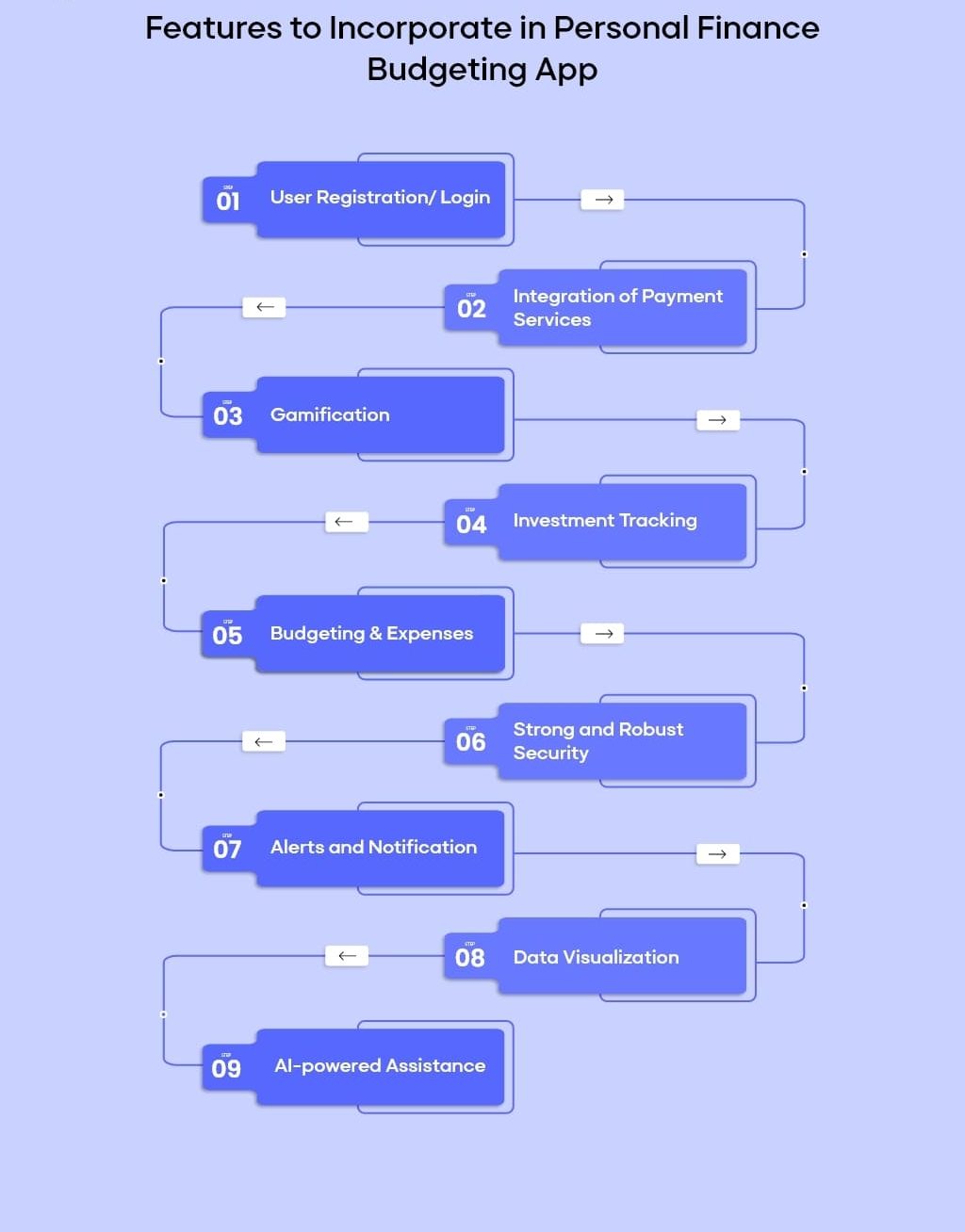
The success of your taxi booking mobile app development hinges on user-centric features. The passenger app should include user registration, booking interface, fare calculator, multiple payment options, ride tracking, and rating systems. Meanwhile, the driver app should feature profile management, ride alerts, navigation assistance, earnings overview, and in-app communication with passengers.
Admin Panel Management
The admin panel plays a central role in managing operations, tracking rides, processing payments, and extrapolating insights from data. An effective admin interface allows for fleet and user management, monitoring driver performance, and generating actionable insights for continuous improvement.
Key Steps to Develop a Taxi Booking App
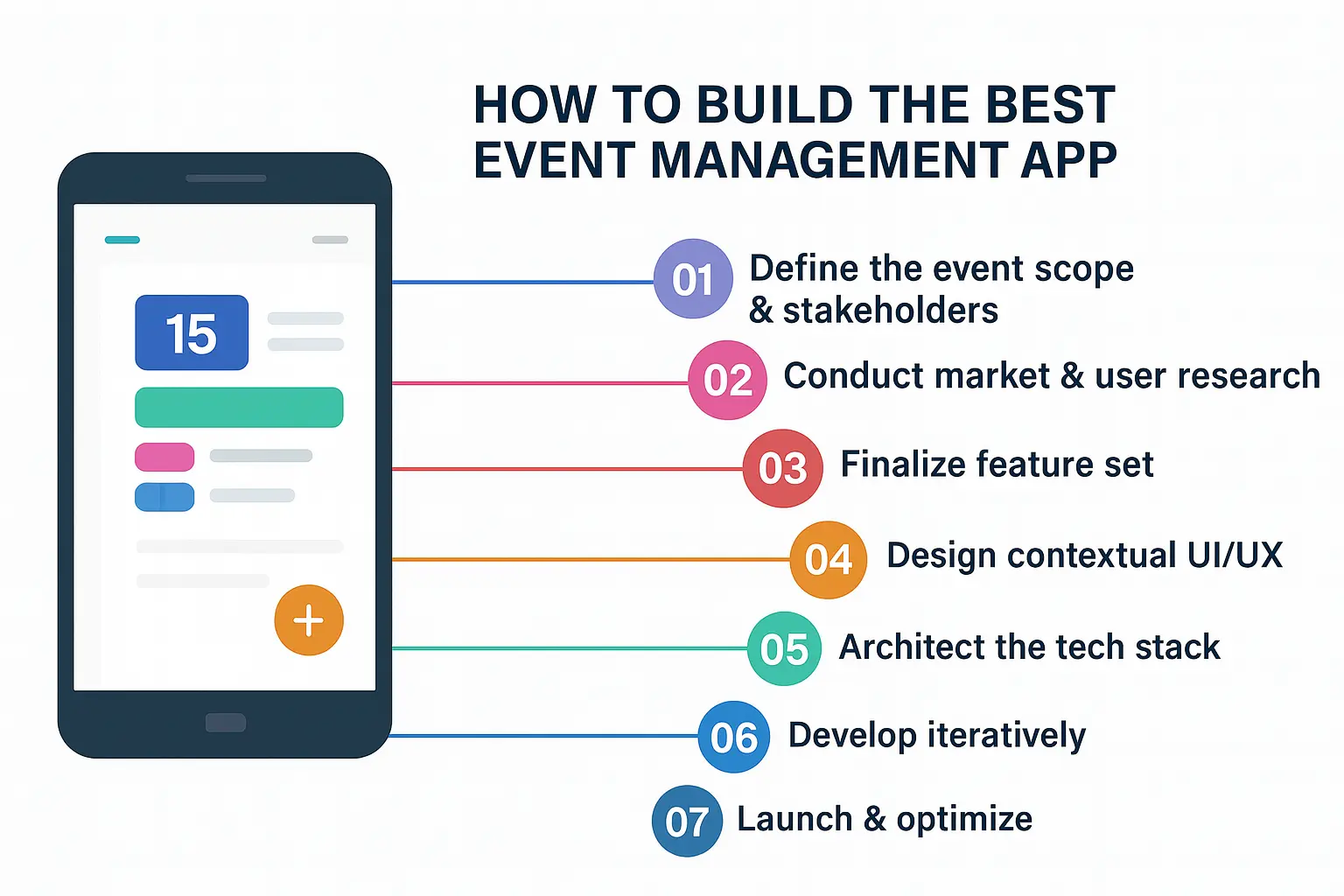
Developing a taxi booking app involves meticulous planning, execution, and testing. Understanding market trends and user expectations helps tailor your app to meet demands effectively.
Step 1: Conduct Market and Competitor Analysis
To build a taxi booking app that stands out, conduct thorough market and competitor analysis. Examine existing taxi booking solutions, identify their strengths and weaknesses, and determine their market positioning. Understanding your audience’s needs and competitors’ strategies can help tailor features and functionalities that differentiate your app.
Step 2: Strategize the Development Approach
Determine whether to adopt a native, hybrid, or cross-platform development strategy. Each has its own set of advantages and disadvantages. Native apps offer better performance but are costlier to develop, while cross-platform apps offer cost efficiency but may compromise performance. Your choice will depend on budget constraints, target audience, and necessary features.
Step 3: Design User Interface and Experience
Prioritize seamless user experience when designing the interface for both drivers and passengers. An intuitive and clutter-free UI guides users effortlessly through the app, enhancing user satisfaction. Use wireframes to visualize the app’s flow and identify potential design flaws early in the process.
Step 4: Choose the Right Technology Stack
The technology stack for taxi booking tracker app development significantly impacts functionality and scalability. For the backend, consider robust frameworks likeNode.js, Django, or Ruby on Rails. For the frontend, React Native or Flutter can be ideal for creating visually appealing interfaces across platforms. Add real-time features using WebSockets or Firebase.
Step 5: Implement Core Features
Once you’ve established the foundation, focus on implementing the core features. Ensure GPS-based location tracking is accurate for both passengers and drivers. Integrate push notifications for ride alerts, status updates, and promotional offers. Secure payment gateway integration is critical to ensure smooth, reliable transactions.
Step 6: Test and Refine the App
Testing is a crucial phase in taxi booking software development. Conduct unit, integration, and acceptance tests to ensure that individual components and the overall system function seamlessly. Real-world testing scenarios help identify and resolve issues that the development phase may have overlooked. Based on user feedback, make necessary refinements.
Step 7: Deployment and Monitoring
After creating and testing, deploy the application on platforms like Google Play Store and Apple App Store. Post-launch, continuously monitor app performance and user engagement. Make regular updates to introduce new features, fix bugs, and cater to evolving needs.
Technological Innovations Shaping Taxi Booking App Development in 2025
As we approach 2025, the landscape for taxi booking app development is likely to be influenced by several emerging technologies.
Integration of Artificial Intelligence
Artificial intelligence (AI) is transforming taxi booking applications by improving user experience and operational efficiency. AI can optimize routing, reduce wait times, and facilitate predictive analysis for demand and supply forecasting.
Embrace of Blockchain Technology
Blockchain can enhance the transparency and security of payment transactions in a taxi booking app. It supports peer-to-peer payments, reduces fraud risks, and ensures that the transaction history is immutable and transparent.
Expansion of IoT Capabilities
The Internet of Things (IoT) can provide unprecedented connectivity between users, vehicles, and devices, leading to smoother, safer rides. IoT sensors can offer detailed vehicle diagnostics and optimize ride dynamics.
Overcoming Common Challenges in Building a Taxi Booking App
Developing a taxi booking app is not without its challenges. Anticipating potential hurdles and crafting strategic solutions will put you at an advantage.
Challenge of Market Saturation
The taxi booking app market is highly competitive. To overcome market saturation, focus on identifying niche markets or underserved geographies. Unique features and interfaces, or a focus on exceptional customer service, can set your app apart.
Tackling Regulatory Hurdles
Taxi booking apps often face regulatory challenges in different regions. Ensure thorough research into the legal landscape of your target markets, partnering with legal experts to navigate compliance requirements.
Security Risks and User Trust
Ensuring data security and user privacy is paramount. Adopt comprehensive security measures like SSL certificates, end-to-end encryption, and robust authentication protocols to gain and maintain user trust.
Future Trends Impacting Taxi Booking App Development
Looking ahead, several trends are poised to shape how we build taxi booking applications.
Rise of Electric and Autonomous Vehicles
With the growing popularity of electric vehicles (EVs) and the potential of autonomous cars, taxi booking apps will need to integrate APIs and features that accommodate charging stations, energy consumption tracking, and autonomous ride options.
Growth of Eco-Friendly Services
There is increasing consumer demand for eco-conscious commuting options. Apps offering options to choose eco-friendly rides or carpooling services will cater to environmentally aware customers.
Enhanced Personalization and User Engagement
In the pursuit to make my own taxi booking app more engaging, providing personalized user experiences through machine learning algorithms and comprehensive user data analysis will be critical in fostering customer loyalty.
Conclusion: How to Start a Taxi Booking App?
Building a competitive taxi booking app in 2025 requires strategic planning, an innovative mindset, and an understanding of market dynamics. Begin with a comprehensive market analysis, focus on user-centric features, and embrace emerging technologies to differentiate your offering. By methodically approaching each phase of development and prioritizing security and compliance, you can create a taxi booking app that stands out in this evolving digital landscape.
Adapting to future trends and user expectations will bolster your app’s relevance and success. Bear in mind that continued learning, agile development practices, and responsiveness to feedback are essential to sustaining growth and user engagement in the dynamic arena of taxi booking app development.