Creating a stock trading app can be an exciting and profitable endeavor as more investors turn to digital solutions for managing their portfolios. With the growing interest in stock trading, building a stock trading app not only provides an opportunity to enter a lucrative market but also requires technical precision and compliance with various financial regulations.
Understanding the Stock Trading App Market
Before diving into stock trading application development, it’s crucial to comprehend the market landscape. The stock trading app market has seen exponential growth over the last few years, driven by the popularity of apps like Robinhood and Webull. Investors ranging from novices to seasoned pros appreciate the convenience and accessibility of trading apps, which allow them to trade stocks seamlessly from their smartphones.
As you consider creating a stock trading app, it’s important to recognize the diverse needs of potential users. Some users might look for detailed analytics and sophisticated tools, while others might prefer a user-friendly interface with quick trade execution. Knowing your target audience will guide you in developing a stock trading app that meets user demands and stands out from the competition.
Key Features for Developing a Stock Trading App
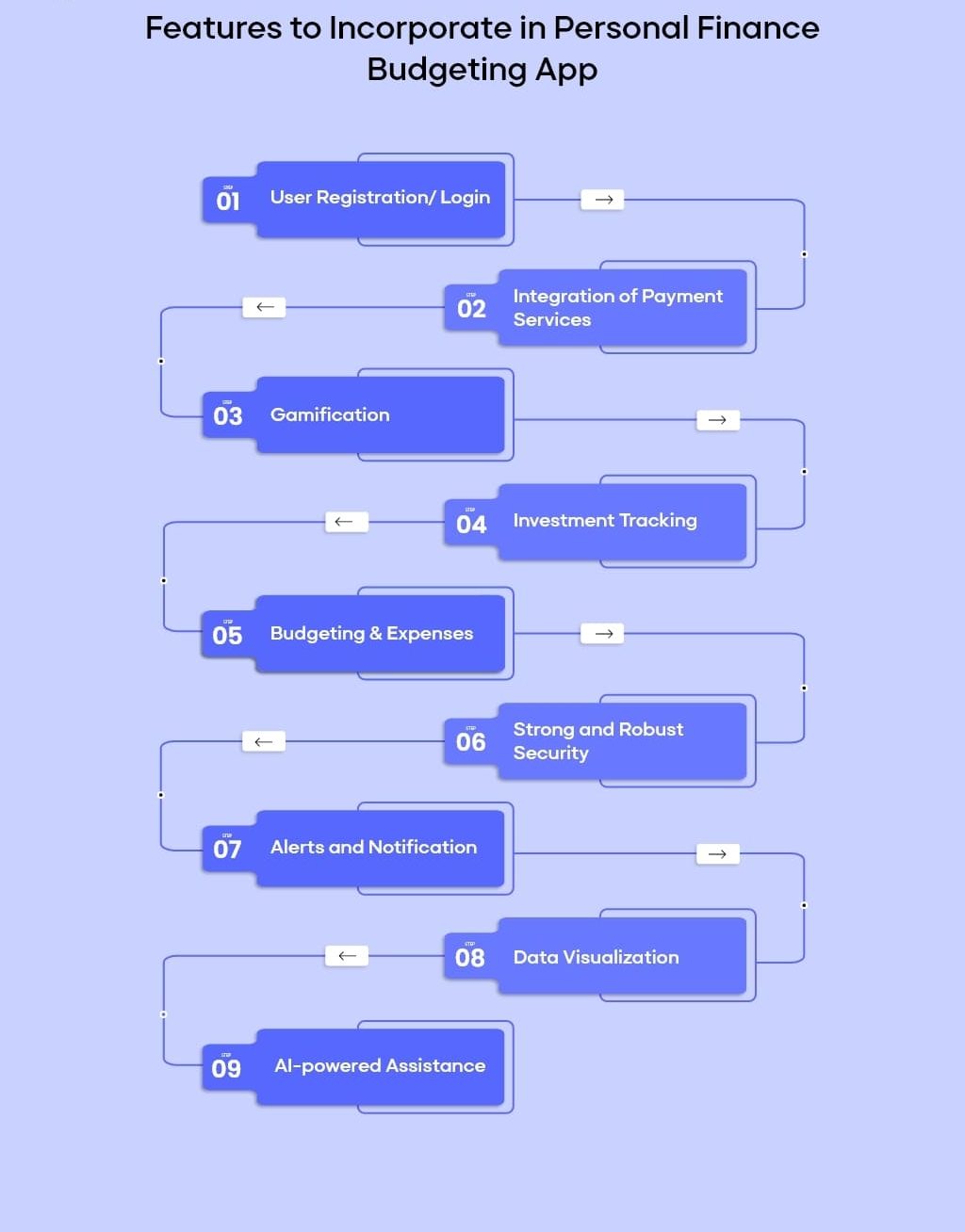
Creating a stock trading app involves careful planning of features that provide value while ensuring security and usability. Here are essential features to incorporate when you build a stock trading app:
User Authentication and Security
In stock trading app development, user authentication is paramount. Utilizing two-factor authentication and biometric security measures like fingerprint scans and facial recognition can help secure user accounts. Authentication processes must be robust to protect sensitive financial information.
Real-Time Stock Market Data
For any stock trading mobile app development project, real-time data is crucial. Users must have access to live market updates, stock prices, and financial news. Integrating APIs that provide reliable data streams ensures users always have the most accurate information at their fingertips.
User Interface and Experience
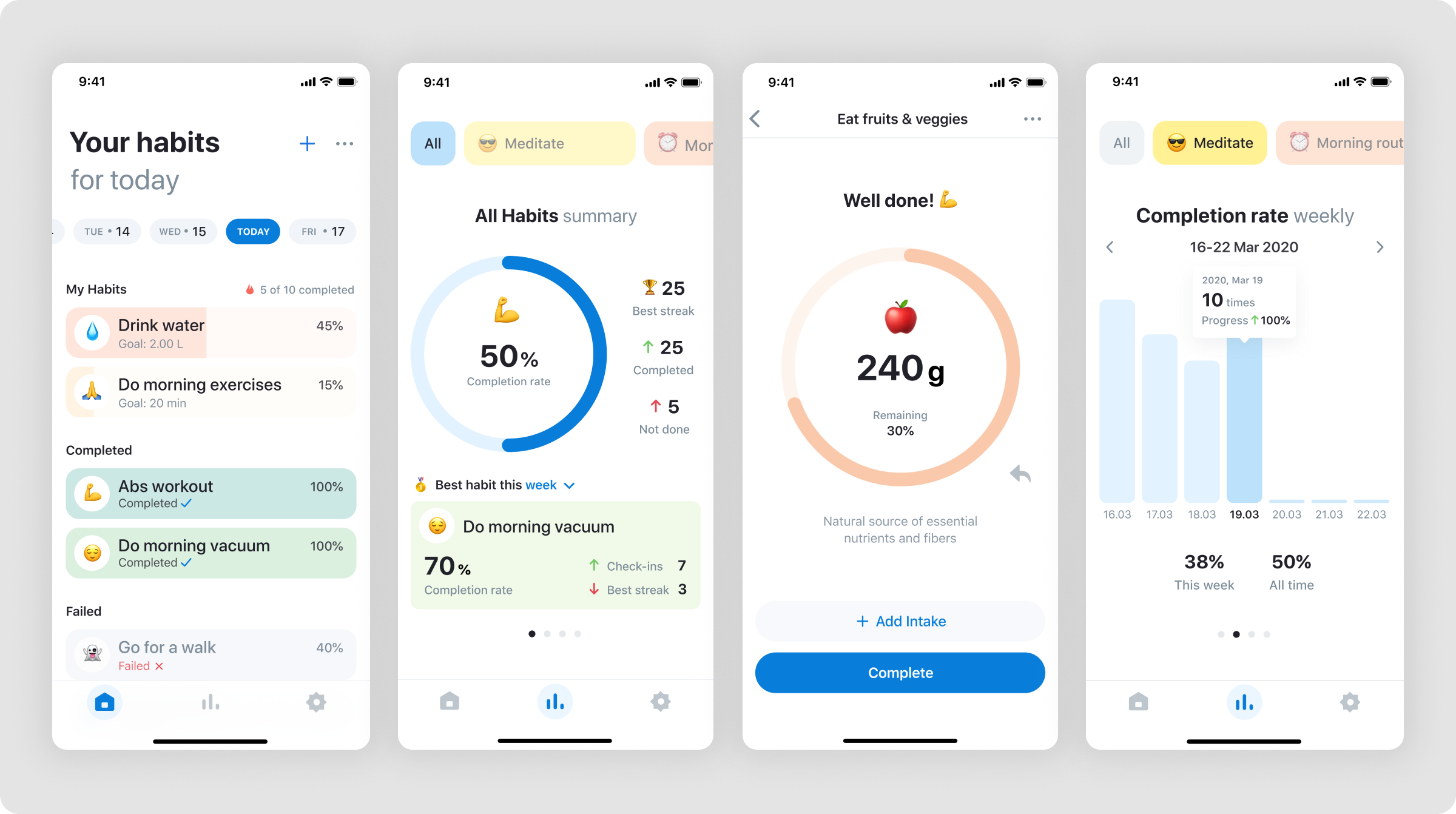
When building a stock trading app, simplicity and accessibility should guide design choices. The user interface needs to be intuitive, allowing users to execute trades swiftly and access information without difficulty. Ensuring a smooth user experience is foundational for retaining users and encouraging frequent app usage.
The Technological Stack for Stock Trading Tracker App Development
One of the critical decisions in stock trading software development is choosing the right technological stack. The technologies you choose will impact the app’s scalability, security, and performance.
Backend Technologies
For the backend, using secure and reliable server-side technologies is essential. Languages like Java, Python, and Node.js offer robust frameworks for building backend services. When you create your own stock trading app, you might consider leveraging cloud services like AWS or Google Cloud to ensure scalability and reliability.
Frontend Technologies
In stock trading tracker app development, the frontend should facilitate seamless interaction with users. Modern frameworks like React Native or Flutter allow you to build cross-platform applications, reducing development time and costs. These frameworks offer pre-built components and libraries that aid in creating responsive and dynamic UX/UI designs.
APIs and Integration
Integrating third-party APIs is an integral part of stock trading app development. APIs for real-time stock data, news, and financial analytics provide the app with the necessary information to function effectively. Additionally, payment gateway APIs are needed to handle financial transactions securely.
Considerations for Building a Stock Trading App
When considering how to make your own stock trading app, there are significant technical and legal aspects to address.
Regulatory Compliance
Adhering to financial regulations is non-negotiable in stock trading app development. Familiarizing yourself with laws such as GDPR, PCI DSS, and specific regional regulations ensures your app operates legally. Collaborating with legal experts can help navigate these complexities.
Data Security
Protecting user data in a stock trading application is critical. Implementing encryption, secure data storage, and setting up secure connections like HTTPS ensures data integrity. Regular security audits can help identify vulnerabilities early.
Scalability
How to develop a stock trading app that accommodates growth is a fundamental question. Designing with scalability in mind means anticipating increased loads and user traffic. Load balancers, distributed databases, and microservices architecture can accommodate growth efficiently.
Step-by-Step Guide on How to Build a Stock Trading App
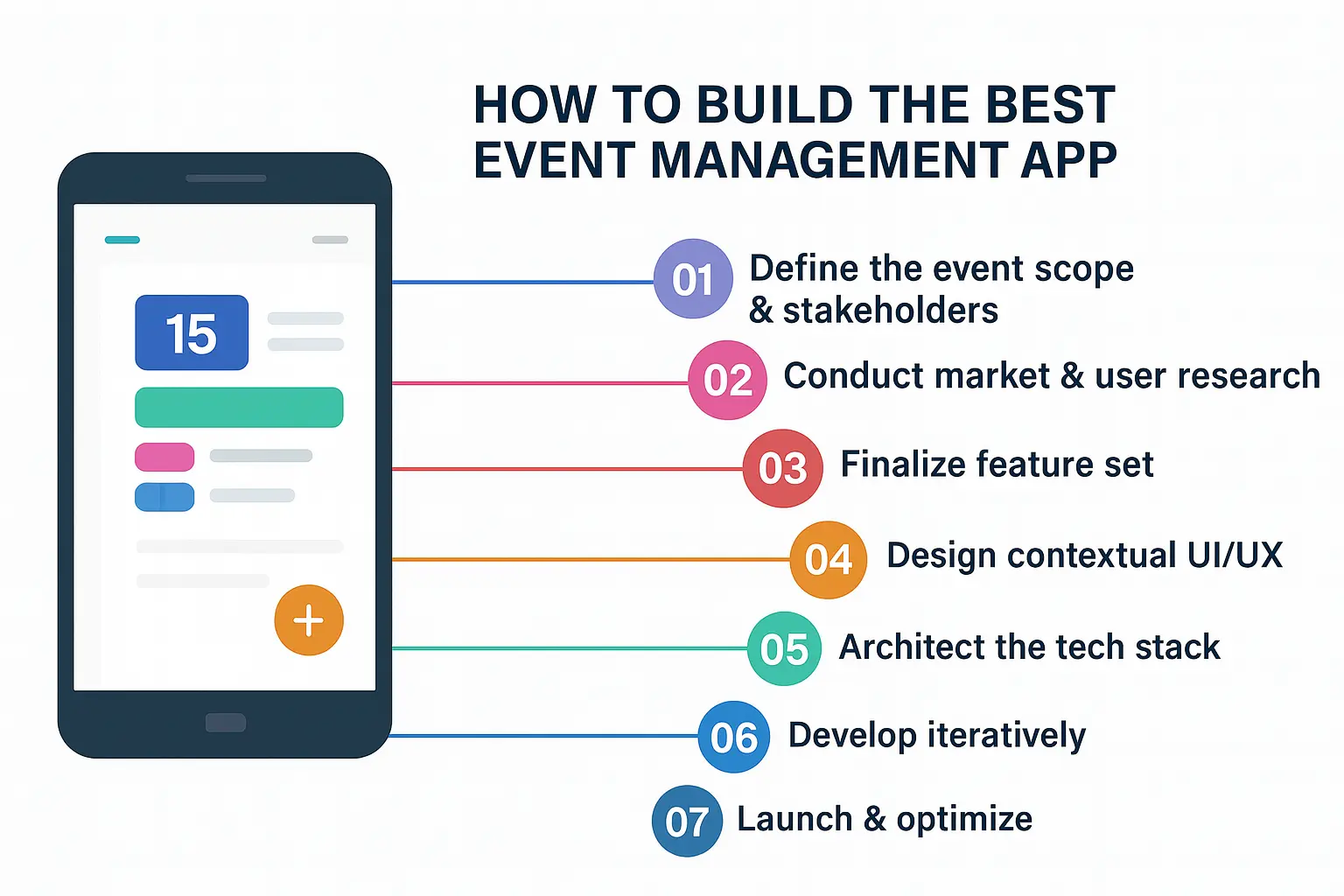
Embarking on creating a stock trading app involves a series of well-planned steps. Here’s a detailed roadmap:
Defining Objectives and Goals
Start by defining the main objectives for the app. What problems does it solve? Who are the target users? Whether you’re building a stock trading app for beginners or professionals will shape your approach to development.
Conducting Market Research
Conduct thorough research to understand competitor products and market needs. This helps in identifying features that resonate with your intended audience and discovering gaps your app can fill.
Designing the App Architecture
Design a scalable architecture that outlines how different components of your app will interact. This includes data flow diagrams, component diagrams, and technical specifications that align with your requirements.
Development and Testing
Begin the development phase by prioritizing features based on importance. Developing a stock trading app involves iterative testing to find and resolve bugs, ensuring reliable functionality across devices and platforms.
Deployment and Maintenance
Once your app passes rigorous testing, deploy it to various app stores. Continuous maintenance is key, including updating features and securing the app against emerging threats.
Challenges in Stock Trading App Development
Understanding the challenges in building a stock trading app can help you prepare effective solutions.
Technical Challenges
Handling real-time data and ensuring smooth performance is complex. Achieving this requires optimizing server load and using efficient data processing algorithms.
User Engagement
Keeping users engaged in an environment with plenty of alternatives presents a challenge. Offering personalized notifications, educational resources, and competitive trading fees can set your app apart.
Future Trends in Stock Trading Mobile App Development
As you think about stock trading mobile app development, staying informed about emerging trends in technology and finance can position your app as a leader in the market.
Artificial Intelligence and Machine Learning
Integrating AI and machine learning to provide predictive analytics and personalized trading suggestions can greatly enhance user experience. These technologies analyze patterns to deliver insights, improving decision-making for traders.
Blockchain Technology
The adoption of blockchain in developing stock trading apps offers enhanced security and transparency. Blockchain can facilitate faster transactions and keep a more transparent record of trades, reducing opportunities for fraudulent activities.
Enhanced User Experience with VR/AR
Virtual and augmented reality technologies can revolutionize how users interact with stock trading applications. These technologies can offer unique visualizations of data, providing new insights and enhancing decision-making.
Conclusion
To create a stock trading app in 2025 is to meet both current and future demands in a rapidly evolving digital landscape. With thoughtful planning and technical execution, not only can you successfully build a stock trading app, but you can also position it to stand out with innovative features. From understanding market needs to ensuring regulatory compliance and embracing new technologies, each step in stock trading software development presents opportunities to innovate and meet user demands. As the fintech landscape evolves, developing a stock trading app will remain a key challenge and opportunity for developers in 2025 and beyond.
| Key Features | Description |
| User Authentication | Secure logins using two-factor authentication and biometrics. |
| Real-Time Data | Access to live market updates and stock prices. |
| User Interface | Clean, intuitive design for easy navigation. |
| Regulatory Compliance | Adherence to financial and data protection laws. |
| Scalability | Ability to handle increased user loads and data processing. |
This comprehensive table outlines the essential elements you should incorporate when planning the stock trading tracker app development to meet the standards of security and usability.