In the rapidly evolving digital age, the real estate industry has embraced technological advancements to enhance user experience and business efficiency. As we approach 2025, creating a real estate app that stands out amidst fierce competition requires a comprehensive understanding of modern technology, user needs, and market trends. In this guide, we will explore the intricate process of real estate application development, from conceptualization to launch, highlighting the crucial aspects of how to build a real estate app that resonates with today’s users.
Understanding Real Estate App Development Trends
Before diving into the technical facets, it’s essential to grasp the prevailing trends in real estate app development. Recognizing these trends will empower you to create a real estate app that not only fits the current market but also anticipates future shifts. Over recent years, the integration of Artificial Intelligence (AI), Augmented Reality (AR), and Machine Learning (ML) has significantly transformed the landscape of real estate mobile app development, offering users unparalleled search, preview, and transaction experiences.
The Role of AI in Real Estate Apps
Artificial Intelligence has reshaped how users interact with real estate apps. With the capability to analyze vast datasets, AI enables developers to create tailored user experiences through personalized property recommendations and chatbots for instant assistance.
Augmented Reality: A Virtual Tour
Incorporating AR in your real estate app development allows potential buyers to visualize properties through virtual tours. This immersive experience has become increasingly popular, enabling users to gauge a property’s dimensions and aesthetics from the comfort of their homes.
Machine Learning: Predicting Market Trends
Machine Learning algorithms can be harnessed to analyze market trends, providing users with data-driven insights about property prices and investment opportunities. By integrating ML, you can offer a more sophisticated real estate tracker app that caters to savvy investors and homebuyers.
Planning Your Real Estate App Development Strategy
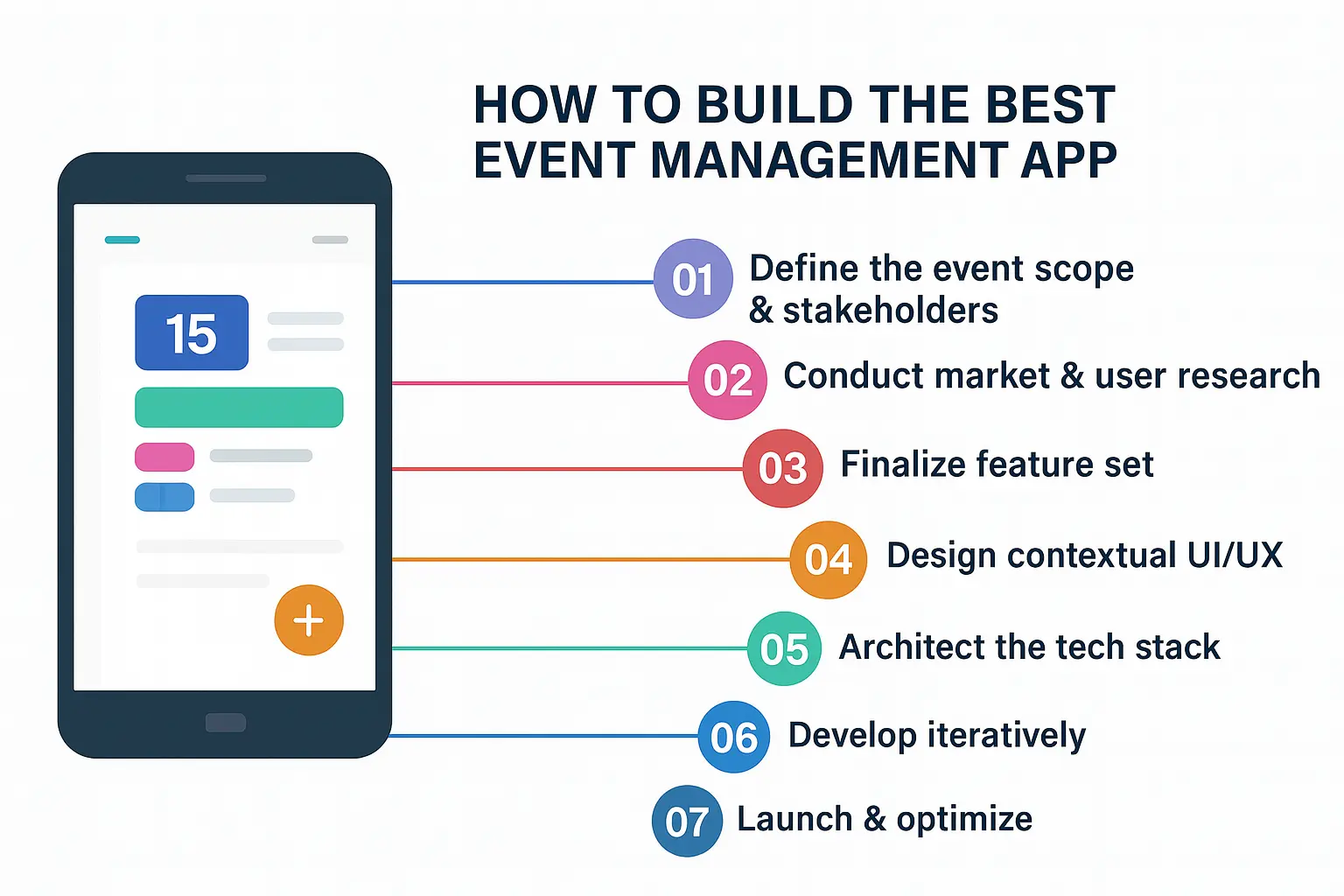
Developing a real estate app requires meticulous planning. A well-thought-out strategy is crucial to ensure that your app meets the expectations of a tech-savvy audience. Let’s delve into the steps involved in creating a robust foundation for your real estate application development.
Define Your Target Audience
Understanding who will use your app is vital. Are you targeting homebuyers, sellers, real estate agents, or investors? Identifying your audience will inform your app’s features and user interface design, tailoring it to meet the specific needs of your demographic.
Competitor Analysis
Examine existing apps to understand the current market landscape. Identifying what your competitors offer — and where they fall short — will provide insights into how to create your own real estate app with a unique value proposition. Consider aspects such as user engagement, design, and features that are in high demand.
Feature Set Development
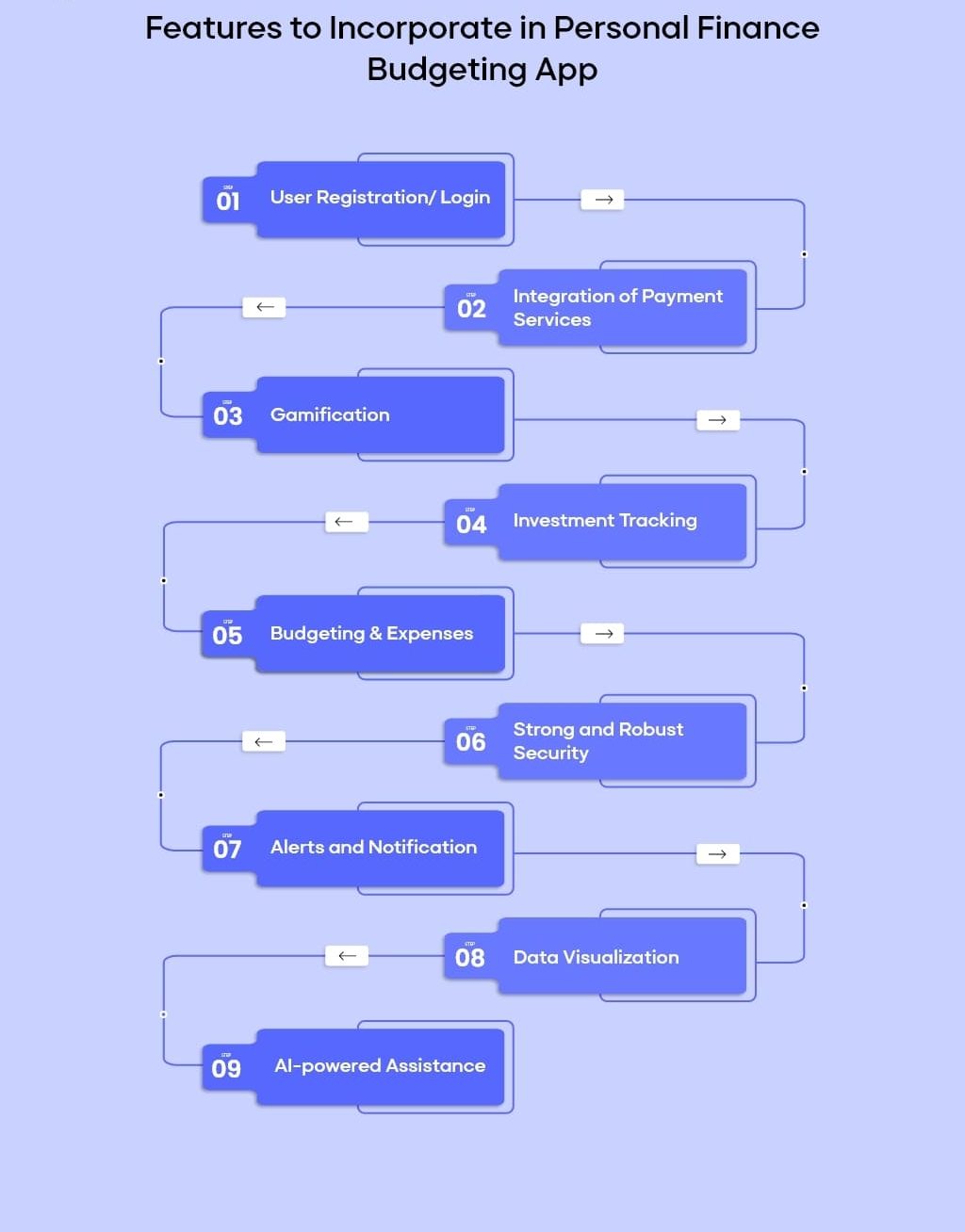
Creating a feature-rich app is crucial. Essential features for a modern real estate app include advanced search filters, property listings with detailed descriptions and photos, user profiles, listing sharing capabilities, and secure payment gateways. Integrating innovative features like AR for virtual tours, AI-driven search recommendations, and ML-based market predictions can set your app apart.
The Technical Aspects of Real Estate App Development
After defining your app’s strategic plan, the next step is to delve into the technical nuances of how to develop a real estate app. A focus on backend architecture, mobile platform compatibility, and ensuring seamless performance will be key.
Choosing the Right Technology Stack
The choice of technology stack can significantly influence the success of your real estate mobile app development. Opt for technologies that offer flexibility and scalability, such as:
- Frontend: React Native or Flutter for cross-platform compatibility.
- Backend: Node.js, Ruby on Rails or Django for robust backend services.
- Database: PostgreSQL, MongoDB, or Firebase for efficient data management.
Mobile Platform Compatibility
Decide whether you are developing for iOS, Android, or both. Cross-platform development tools can save time and costs, ensuring that your app reaches the widest audience possible.
Security and Privacy Measures
In real estate app development, safeguarding user information is paramount. Implement the latest security protocols, such as end-to-end encryption, multifactor authentication, and secure cloud storage, to protect user data.
User Interface and User Experience Design
The UI/UX design of your app plays a critical role in user retention and satisfaction. Your goal is to make a real estate app that provides an intuitive, hassle-free user experience.
Designing an Engaging User Interface
Aesthetic and functionality should go hand in hand. Use a clean, modern design with easy navigation to enhance user engagement. The app should be flexible and responsive to different device screens, offering the same seamless experience on mobile phones and tablets.
Enhancing User Experience (UX)
Creating a seamless and enjoyable user experience involves anticipating user needs and removing friction points. Ensure that your app loading speed is optimal, and that users can easily move through their journey — from searching for listings to completing a purchase.
Testing and Launching Your Real Estate App
Once the app has been developed, rigorous testing is necessary to ensure it meets all functional and performance standards.
Conducting Comprehensive Testing
Carry out both manual and automated testing to detect and fix bugs and glitches. Focus on user interface, functionality, compatibility, performance, and security. Testing should simulate real-world use cases to ensure a smooth user experience upon release.
Preparing for Launch
Strategize your go-to-market plan. This includes setting up marketing campaigns, press releases, and preparing app store optimization strategies. Provide ample time post-launch for gathering user feedback and iterating based on that feedback.
Post-Launch Strategies and Maintenance
Launching the app is not the final step. Continuous maintenance and updates are necessary to keep the app relevant and competitive.
Gathering User Feedback and Analytics
Utilize analytics and user feedback to monitor the app’s performance. Understanding user behavior through data can highlight areas for improvement and uncover new feature possibilities.
Regular Updates and Feature Enhancements
Keep the app current with regular updates. Enhancements might include new technologies or features aligned with evolving user expectations and industry standards.
Scaling and Performance Optimization
As your user base grows, ensure that the backend infrastructure can handle increased loads. Optimize server performance, database queries, and load times to maintain a smooth user experience, even as traffic increases.
Financial Aspects of Developing a Real Estate App
Understanding the financial commitments involved in creating a real estate app is crucial for both solo developers and companies. The cost of real estate software development can vary significantly based on a range of factors.
Initial Development Costs
These include expenses for hiring a development team, acquiring technology stack components, and other preliminary resources. Outsourcing to a reputable development firm might streamline the process but can impact the budget.
Ongoing Operational Costs
Post-launch, you must account for operational costs such as server hosting, maintenance, updates, marketing, and customer support. A thorough financial plan will help to anticipate these recurring costs.
| Aspect | Estimated Cost Range | Description |
| Initial Development | $50,000 – $200,000 | Varies depending on complexity and feature set |
| Mobile App Launch | $5,000 – $20,000 | Includes marketing and App Store registration fees |
| Ongoing Maintenance | $1,000 – $5,000/month | Bug fixes, updates, and server maintenance |
| Marketing and Promotion | $2,000 – $10,000/month | SEO, social media marketing, and paid campaigns |
| Customer Support | $500 – $2,000/month | Customer service tools and staffing |
The Future of Real Estate App Development
Looking ahead, the real estate app market promises continued growth and innovation. As we progress through 2025, developers must stay agile and responsive to the latest trends in real estate mobile app development.
Embracing Emerging Technologies
Technological advancements such as blockchain for secure transactions, 5G connectivity for faster app performance, and even more sophisticated AI and ML tools will continue to advance the quality and security of real estate apps.
Sustainable and Green Tech Initiatives
Sustainability is becoming a focal point in all industries. Aspiring to create my own real estate app, developers should consider incorporating green tech initiatives, offering eco-friendly property listings and integrating features that promote sustainable living.
Developing a real estate app in 2025 is an exciting endeavor filled with opportunities for innovation and success. By following the comprehensive steps and leveraging the latest technological advancements, you can build a real estate app that not only competes but excels in the dynamic property market.