The rapid evolution of technology continues to transform numerous aspects of our daily lives, and transportation is no exception. With the growth of urbanization and the increasing complexity of finding parking spaces, the demand for innovative solutions is on the rise. This has led many developers to explore the realm of parking application development. As we approach 2025, developing a parking app not only solves a significant urban problem but also presents a lucrative business opportunity for forward-thinking programmers and entrepreneurs.
Understanding the Need for Parking Apps
In contemporary urban landscapes, parking has become a major challenge. Congested streets, limited parking spaces, and time constraints contribute to the escalating demand for efficient parking solutions. Creating a parking app can alleviate these challenges by offering real-time parking availability, reservation options, and payment functionalities. With this need in mind, let’s explore the steps and considerations involved in developing a parking app.
Essential Features for a Successful Parking App
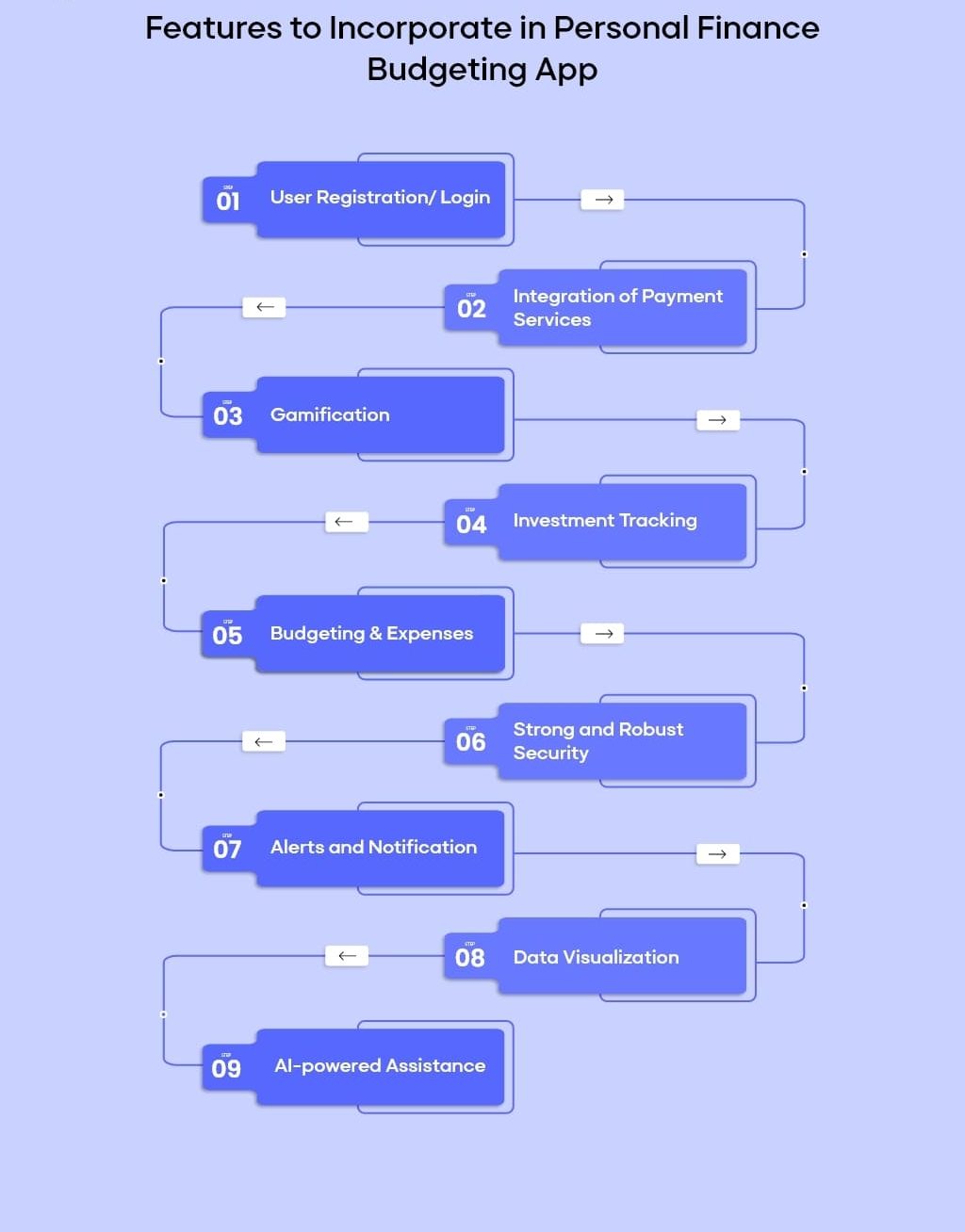
When embarking on parking app development, understanding the essential features is crucial to satisfy user expectations and ensure functionality. A successful parking app should include:
Real-Time Parking Availability
Incorporating real-time data for parking space availability is a critical component. It allows users to efficiently locate available spaces, reducing the time spent searching for parking and minimizing traffic congestions.
Navigation and Route Optimization
An integral aspect of building a parking app is providing precise navigation and route optimization. By integrating GPS technology and intelligent algorithms, app users can receive guided directions to their parking destination, optimizing their journey.
Reservation and Pre-Booking System
Developing a parking app with a reservation feature empowers users to secure parking spaces in advance. This aspect is particularly beneficial in high-demand areas, ensuring peace of mind and an enhanced user experience.
Secure Payment Gateway
To improve user satisfaction, integrating a secure payment gateway is imperative. Users should have the ability to complete transactions within the app seamlessly, using various payment methods.
User Profiles and History
Creating a parking app that offers personalized user experiences is critical in today’s competitive market. Allow users to create profiles, enabling them to save their favorite parking spots, view past transactions, and receive tailored suggestions.
Reviews and Ratings System
An effective reviews and ratings system helps new users make informed decisions based on others’ experiences. It builds credibility and trust within the app community.
Strategic Steps in Building a Parking App
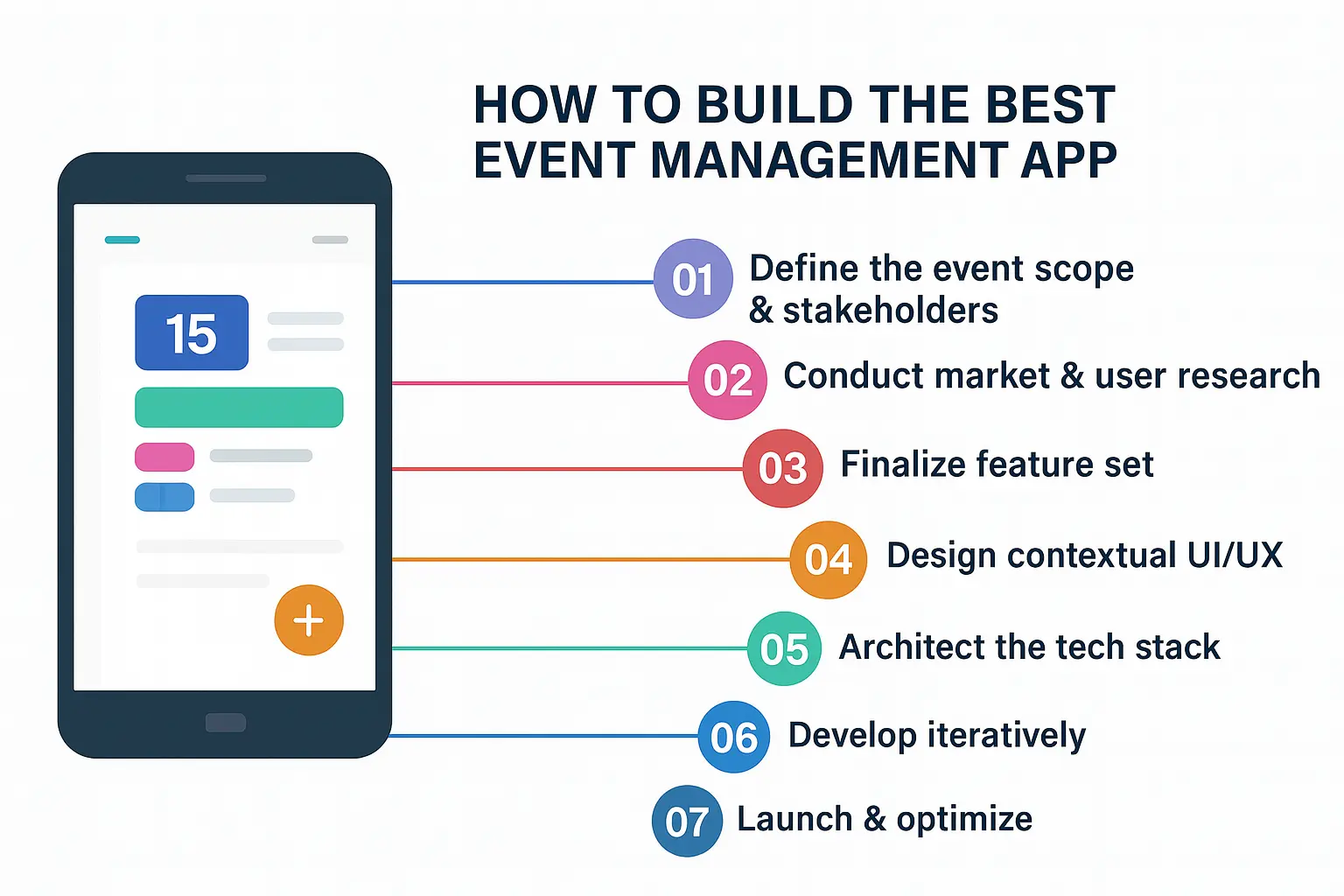
The process of creating a parking app encompasses several strategic steps. Each step is integral in ensuring the final product meets market demand and successfully addresses user needs.
Conducting Market Research
Before delving into the technicalities, thorough market research is essential. Identify your target audience, analyze competitor offerings, and gain insights into parking trends. Understanding your market forms the foundation for successful app development.
Defining Scope and Requirements
Clearly define the scope and requirements of your app. What problems are you aiming to solve? What features are indispensable? Outlining these elements will guide your development process and keep your objectives clear and focused.
Choosing the Right Technology Stack
Selecting a technology stack is a pivotal decision in how to develop a parking app. Popular choices include React Native for creating cross-platform applications, or using a combination of Swift for iOS and Kotlin for Android for native development.
Designing an Intuitive UI/UX
An intuitive and user-friendly interface is vital for retaining users. Focus on designing a seamless user interface that enhances the overall user experience. Ensure navigation is intuitive, layouts are clean, and functionalities are accessible.
Development and Integration
With a design in place, proceed with the development phase. During this stage, integrate essential APIs for GPS functionality, payment processing, and real-time parking data. This phase is also where you build core app functionalities, ensuring they operate smoothly.
Rigorous Testing
Conducting rigorous testing is crucial before launching your app. Test your app for functionality, usability, security, and compatibility across multiple devices. Address any bugs or glitches that arise during testing to deliver a seamless user experience.
Launch and Marketing
Once testing is complete, it’s time to launch your parking app. Utilize various marketing strategies to reach your target audience, such as social media campaigns, search engine optimization, and influencer partnerships. Highlight your app’s unique features and advantages over competitors.
Challenges in Parking App Development
Creating a parking app is not without its challenges. Being proactive and preparing for these hurdles can aid in smoother development and deployment.
Data Accuracy and Availability
A significant challenge in parking application development is maintaining accurate real-time data. This requires reliable partnerships with parking lot owners and sophisticated algorithms to prevent discrepancies, particularly during peak hours.
User Adoption and Retention
Building a parking app is only the beginning. Ensuring users continue to engage with your app is crucial. Incorporate features that encourage frequent usage, such as loyalty programs, discounts, and routinely updated content.
Competition and Innovation
As more entrepreneurs are developing a parking app, competition is on the rise. Continuous innovation is key to maintaining a competitive edge. Stay updated with market trends and innovate to offer unparalleled features.
Table: Comparative Analysis of Technology Stacks for Parking App Development
| Criteria | React Native | Swift (iOS) | Kotlin (Android) |
| Development Speed | Fast | Moderate | Moderate |
| Cost-effectiveness | High | Lower for iOS only | Lower for Android only |
| Performance | Good | Excellent | Excellent |
| Community Support | Strong | Strong | Strong |
| UX/UI Flexibility | Good | High | High |
Future Trends in Parking Mobile App Development
As we progress towards 2025, emerging technologies and shifting user preferences will shape the future of parking mobile app development. Developers and businesses must stay attuned to these trends to remain relevant.
Artificial Intelligence and Machine Learning
Incorporating AI and machine learning into parking apps can enhance the user experience. These technologies can provide predictive analytics for parking availability, suggest optimal parking spots based on user preferences, and enable automated parking solutions.
The Rise of Autonomous Vehicles
As the technology for autonomous vehicles advances, parking app development will need to adapt. These apps will play a role in guiding autonomous vehicles to available parking spots, and may even facilitate charging station reservations for electric cars.
Blockchain for Enhanced Security
Implementing blockchain technology can bolster security within parking applications, particularly in the realm of payment processing. Blockchain ensures secure, transparent transactions, reducing fraudulence and enhancing user trust.
Integration with Smart City Solutions
As cities become smarter, parking apps that integrate with broader smart city solutions will become increasingly valuable. This may include connecting with traffic management systems, pollution monitoring, or public transport data to offer a comprehensive mobility solution.
Conclusion
In conclusion, creating a parking app in 2025 presents a compelling opportunity to address urban challenges while capitalizing on burgeoning technological advancements. From defining essential features to navigating challenges, each step in the parking application development process plays a critical role in ensuring success. By embracing strategic development practices and staying ahead of future trends, aspiring developers can create competitive and impactful parking solutions for modern cities.