In a world where digital music platforms dominate the audio entertainment industry, creating a music streaming app could be a lucrative and exciting venture. With technological advancements, music streaming application development has evolved, offering new possibilities and challenges in 2025. This article aims to guide you through the intricate process of developing a music streaming app, detailing essential steps, modern requirements, and tools necessary for building an exceptional music platform.
Understanding the Music Streaming Industry
The music streaming industry has skyrocketed over the past decade, transforming how consumers access and enjoy music worldwide. Understanding this industry is crucial prior to embarking on developing a music streaming app. The industry’s success is largely attributed to the convenience and accessibility it offers, alongside vast libraries of global music content at users’ fingertips. Companies have leveraged smart algorithms and personalization features to enhance user experience, making music discovery and playlist generation seamless.
In 2025, the industry continues to grow with innovative technologies such as artificial intelligence and machine learning driving personalized music recommendations and enhanced user interactions. Innovators looking to create a music streaming app need to account for these trends and developments, exploring ways to integrate cutting-edge technologies into their platforms.
Essential Features for a Music Streaming App
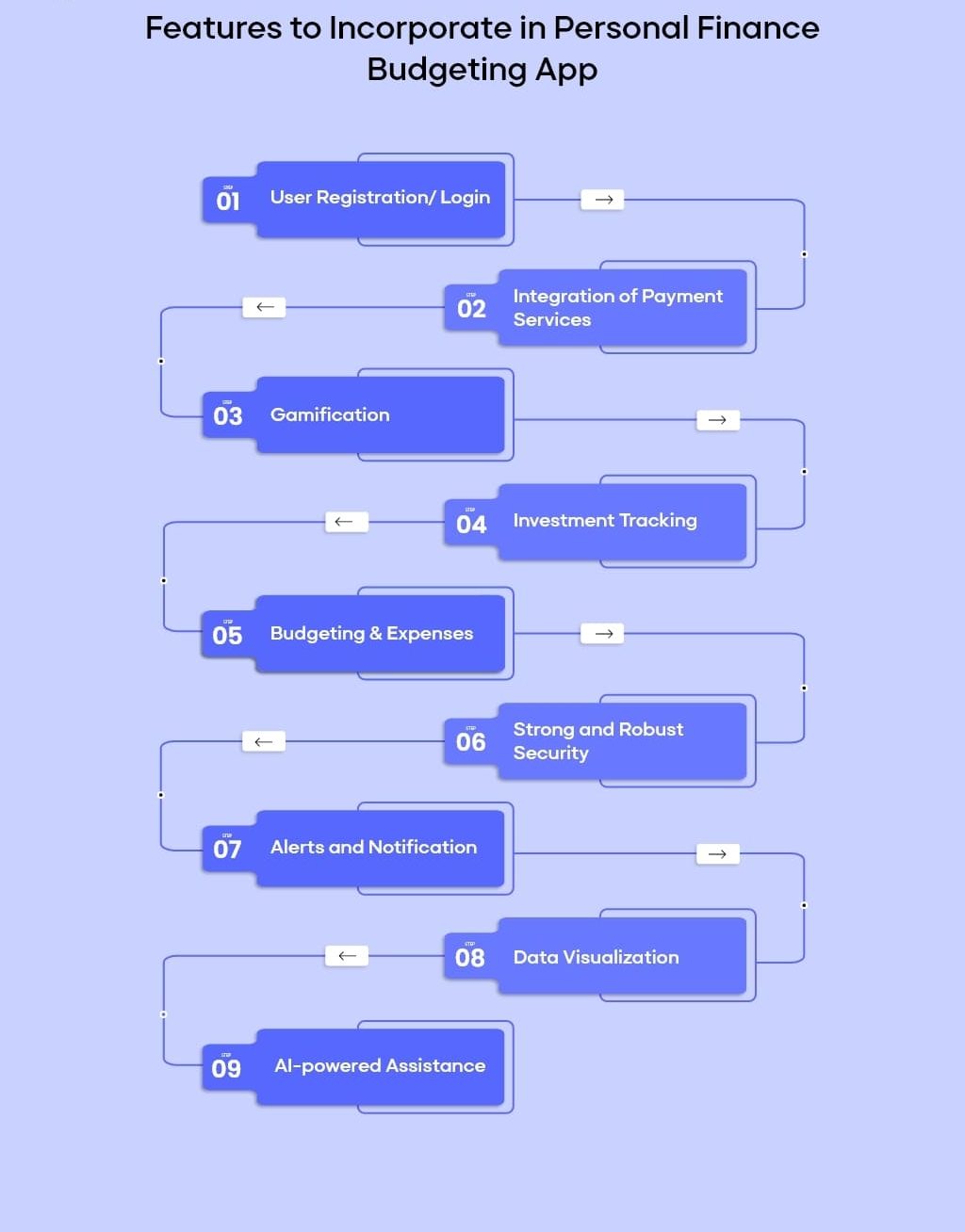
When building a music streaming app, pinpointing essential features forms the backbone of your development process. These features will define user experience and differentiate your application in a saturated market. At the core, offering a vast music library is an absolute necessity. Users should have access to diverse genres, artists, and playlists, ensuring they find whatever suits their musical taste without hassle.
Additionally, personalization engines driven by AI can anticipate user preferences, providing tailored music recommendations. Users appreciate the ability to explore new music seamlessly based on their listening history and preferences. Embedding a social element within your app promoting sharing and collaboration on music playlists can foster a sense of community, encouraging user engagement.
Offline functionality plays a critical role in user retention. Users should be able to download music to listen offline, catering to times when an internet connection is unavailable. Integrating smart user interface (UI) and user experience (UX) design will ensure intuitive navigation, enticing users to linger longer within your application.
Technological Stack for Music Streaming App Development
To develop a music streaming app effectively, selecting an appropriate technological stack is crucial. Opting for robust back-end technologies like Node.js and Ruby on Rails ensures efficient handling of multiple user requests concurrently, essential for real-time audio streaming. Alongside, cloud storage solutions like Amazon S3 ensure quick access to a vast music catalog and reliable music streaming software development.
Front-end frameworks such as React Native or Flutter should be considered for seamless mobile application performance across various platforms. These frameworks provide a native-like experience and are cost-effective, vital for music streaming mobile app development. Moreover, integrating secure payment gateways facilitates subscription models, allowing smooth monetization.
In 2025, leveraging cloud computing and edge services will further optimize the seamless delivery of music, enhancing load times and reducing buffering. Developers must focus on ensuring data security and privacy, adhering to regulations like GDPR to safeguard user information when building a music streaming app.
| Technology | Example Frameworks/Services | Purpose |
| Back-End | Node.js, Ruby on Rails | Handles requests, processes data |
| Storage | Amazon S3, Google Cloud Storage | Stores music files |
| Front-End | React Native, Flutter | User interface and experience |
| AI/ML | TensorFlow.js, PyTorch | Personalization, recommendations |
| Cloud Computing | AWS, Microsoft Azure | Scalability, edge computing |
| Security Protocols | OAuth, SSL | Secure data transmission |
| Payment Gateway | Stripe, PayPal | Process payments, subscriptions |
Steps to Build a Music Streaming App
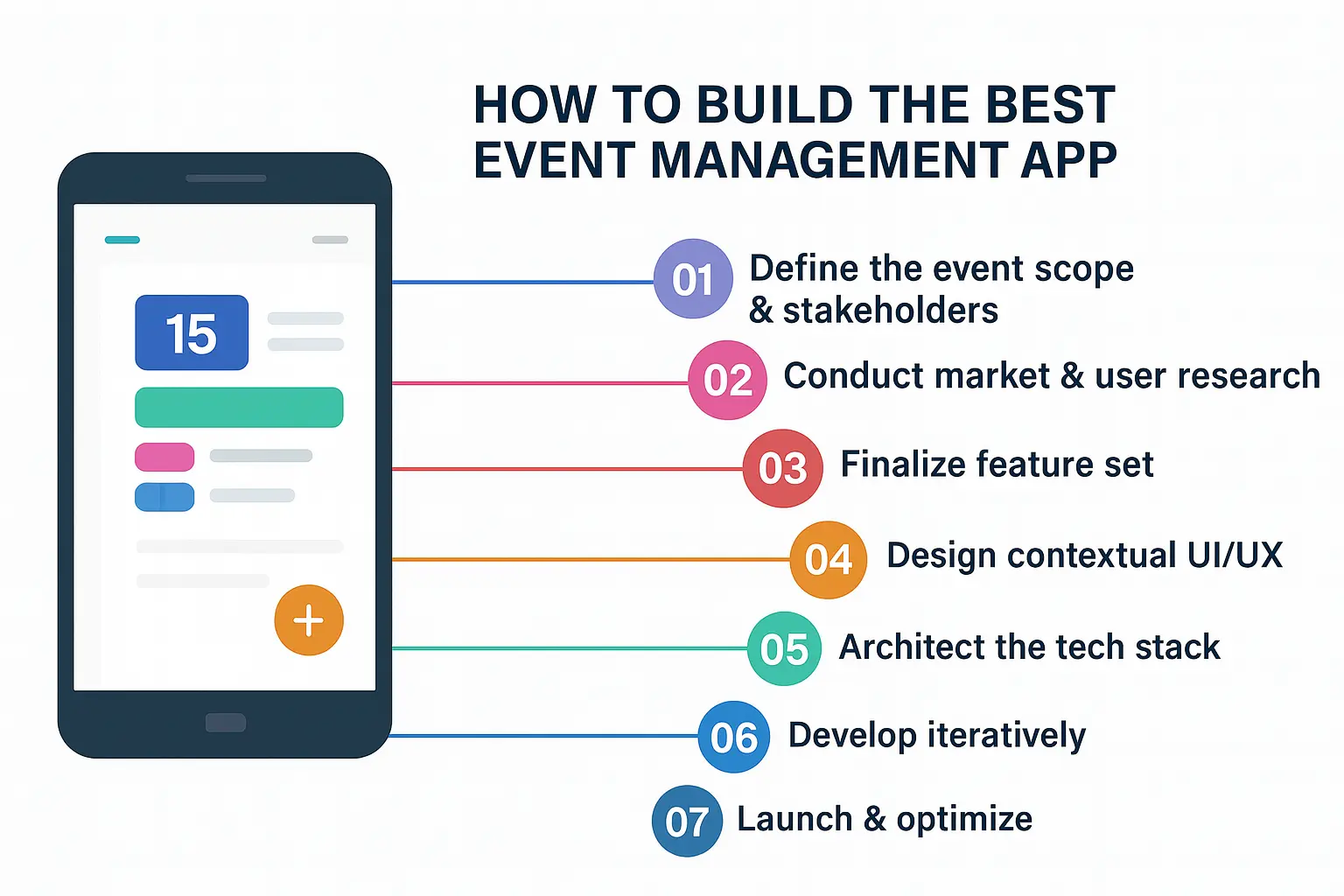
Building a music streaming app involves a systematic approach, ensuring each development phase is executed seamlessly.
Planning and Market Research
Before commencing development, thorough market research is paramount. Understanding current trends, user behavior, and competitor analysis helps shape your unique value proposition. Tools like SWOT analysis can delineate strengths, weaknesses, opportunities, and threats, assisting you in making informed decisions about how to create a music streaming app that fulfills market needs.
Designing UI/UX
Attractive and intuitive UI/UX design captures user attention and assures easy navigation. This includes creating wireframes and prototypes that outline user flows. A clean and responsive layout encourages user engagement and loyalty, making it vital for apps focusing heavily on user interaction and discovery features.
Developing the App
Developing a music streaming app involves integrating key features such as:
–User Authentication: Secure login through email, social media, or phone verification ensures account safety.
–Music Library: Implementing efficient search algorithms ensures users find songs seamlessly.
–Personalization: AI-driven recommendations help create a unique user experience.
–Social Sharing: Features enabling users to share playlists and music.
–Offline Mode: Downloads for offline listening ensure usability without internet connectivity.
Testing and Feedback Integration
Rigorous testing is crucial to eliminate bugs and enhance functionality. Consider A/B testing to evaluate designs and features, ensuring optimal user satisfaction. Collecting user feedback during beta testing phases offers insight into improvements, vital for successful music streaming application development.
Launch and Post-Launch Strategies
Once testing is complete, plan your app launch, focusing on marketing strategies aimed at target audiences. Post-launch, continuous monitoring and updates are essential, ensuring the app remains compatible with new technology and user expectations. Customer support and engagement strategies, such as personalized recommendations and event notifications, help maintain user interest.
Monetization Strategies for Your Music Streaming App
Making your own music streaming app profitable can be a daunting task. However, several monetization strategies can ensure a steady revenue stream. Implementing subscription models with tiered offerings grants users access to features based on their service level. For instance, free subscriptions might offer limited access, enticing users towards premium models for additional benefits.
Ad-supported free tiers are an alternative, generating revenue through targeted advertisements. Collaborations or exclusive content partnerships with artists can attract enthusiasts willing to pay for unique offerings. In-app purchases, such as high-definition audio or additional content features, can further monetize your platform.
Trends Shaping Music Streaming App Development in 2025
Looking ahead, the future of music streaming tracker app development seems promising with several transformative trends. Augmented Reality (AR) and Virtual Reality (VR) are making waves, providing immersive music experiences. Picture attending live concerts or virtual festivals from the comfort of your home with AR/VR.
Moreover, blockchain technology is gaining traction in music streaming software development. Blockchain offers transparency in royalties and licensing processes, ensuring fair compensation for artists. Integrating blockchain could appeal to users who value ethical and transparent content consumption.
Voice-assisted technologies are also becoming prevalent. Users enjoy hands-free control through voice commands, streamlining music access. Developers should explore partnerships with smart speaker producers to extend app usage to these devices.
Conclusion
Creating a music streaming app in 2025 demands resourcefulness, innovation, and strategic thinking. However, with the right guidance and technological tools, developers have a plethora of opportunities to make their mark in the digital music world. From understanding industry trends to selecting the right technology stack and implementing robust features, each step plays a definitive role in ensuring a successful launch. Entrepreneurs who effectively navigate this landscape can build compelling music streaming platforms that captivate audiences and stand out in a competitive market. By embracing cutting-edge technologies and prioritizing user experience, you can create a music streaming app that resonates with users globally and thrives in an ever-evolving industry.