The exponential growth of e-commerce and digital platforms has fundamentally reshaped the way we buy and sell products and services. As we step into 2025, these changes have underscored the importance of marketplace applications. They serve as pivotal interfaces between sellers and buyers in diverse sectors. This article delves into the essential steps of marketplace application development, providing insights on how to create a marketplace app and navigate its multifaceted challenges.
Understanding Marketplace Application Development
Marketplace app development involves creating a platform where different vendors can sell their products to a customer base. This process requires a deep understanding of both technical and business dynamics. The intricacies involved in how to start a marketplace app demand a methodical approach and a thorough plan.
Developing a marketplace app is distinctively challenging due to the need to accommodate various stakeholders, including buyers, sellers, and administrators. Each of these users may require tailored features and capabilities within the platform that are conducive to their roles.
Essential Features for Marketplace Apps
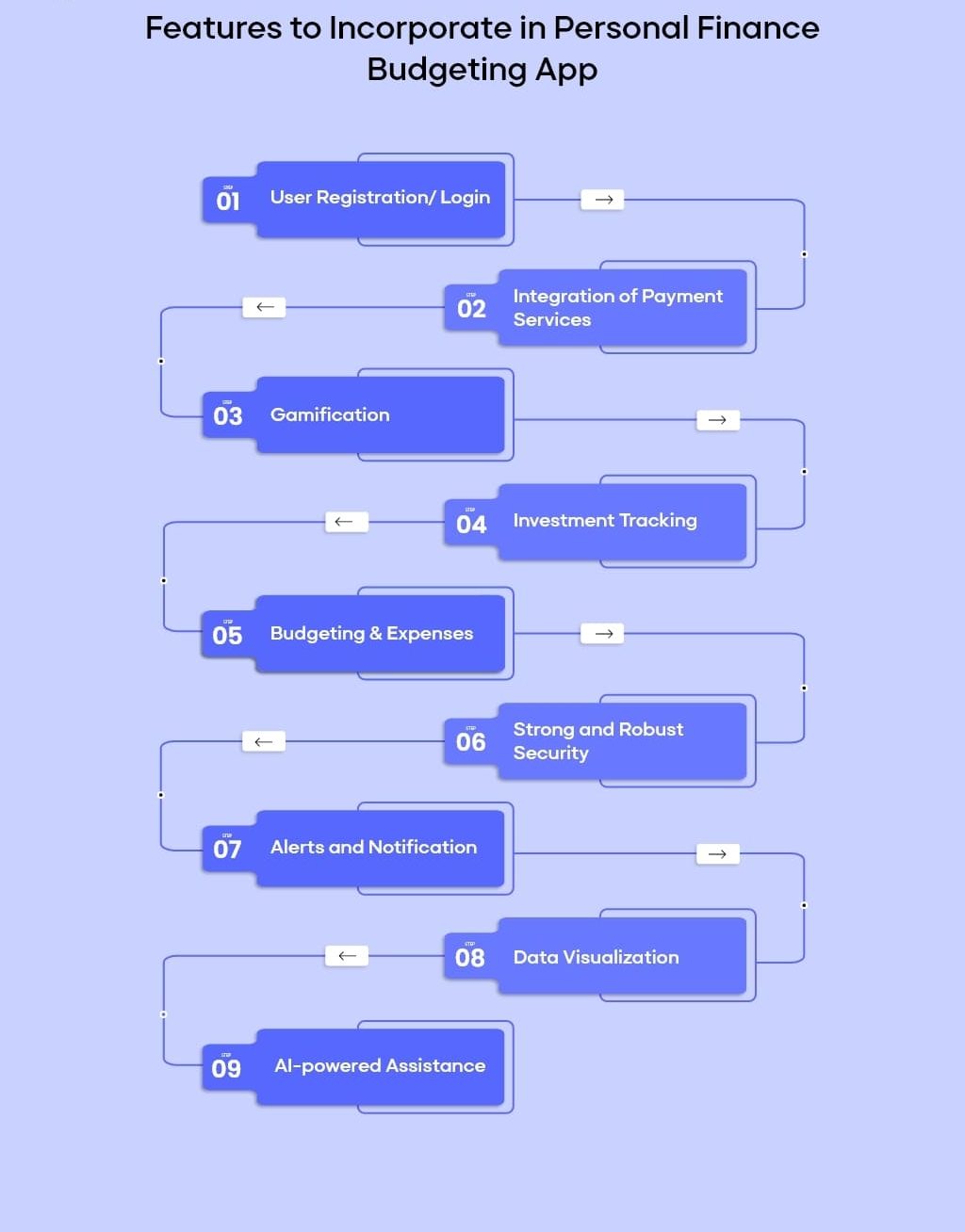
To create a marketplace app that stands out in 2025, certain core features are non-negotiable. These features form the bedrock of functionality, user engagement, and platform success. Recognizing these elements will guide you in making informed decisions during the marketplace app development phase.
- User Profiles and Registration: Allowing both buyer and seller profiles is fundamental. Streamlined registration processes enhance user acquisition by minimizing initial friction.
- Product Listings and Search Capabilities: Comprehensive product catalogs, advanced search filters, and intuitive navigation are pivotal. Ensuring these functionalities are scalable supports a growing marketplace.
- Secure Payment Gateways: Integrating reliable payment systems is essential for user trust. Options like credit card payments, PayPal, and emerging methods such as cryptocurrencies should be considered.
- Ratings and Reviews: This feature builds community trust and encourages quality control among sellers. It also enhances customer decision-making processes.
- Chat and Support Systems: Direct communication channels facilitate better user experiences and problem resolution.
Steps to Develop a Marketplace App
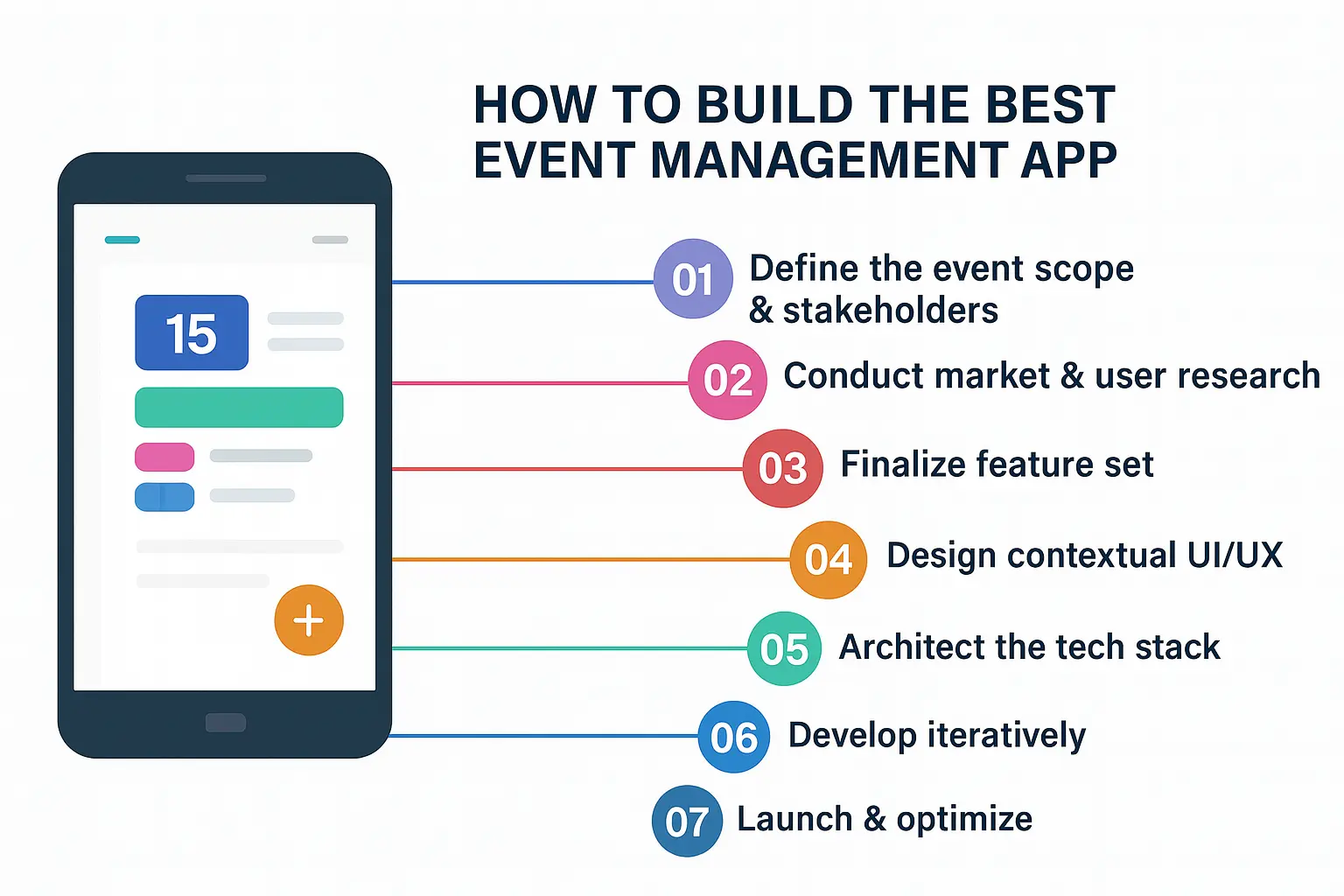
Embarking on the journey of creating a marketplace app requires a strategic roadmap. Below are the key steps that outline how to develop a marketplace app effectively.
Research and Conceptualization
Before diving into marketplace mobile app development, invest time in research. Understand your target market dynamics, key user demographics, and the competitive landscape. This step will help you identify gaps and opportunities in the market, offering clarity on how to create your own marketplace app that addresses specific user needs.
Choosing the Right Technology Stack
A significant aspect of how to build a marketplace app involves selecting an appropriate technology stack. Consider factors like scalability, security, and performance. Popular options often include frameworks and languages such as React Native for mobile apps, Node.js for the backend, and AWS for cloud services.
Design and User Experience
Creating an intuitive and appealing user interface is vital in building a marketplace app. Employ design thinking principles to ensure that every touchpoint is frictionless and engaging. Emphasize responsiveness to cater to users on multiple device types.
Development and Testing
With a solid design in place, begin the marketplace application development phase. Break down the project into manageable sprints, focusing on core functionalities first. Rigorous testing cycles are crucial to identify bugs and improve user flow before the final launch.
Launch and Continuous Improvement
Successfully deploying your app is just the beginning. Post-launch, gather user feedback and analytics to refine and enhance the application continually. This process of iterative improvement is vital in maintaining competitiveness and relevance.
Marketplace Tracker App Development
Incorporating a marketplace tracker feature can significantly enhance user engagement and satisfaction. A marketplace tracker app helps users monitor order statuses, shipping details, and delivery timelines.
When delving into marketplace tracker app development, consider seamless integration with logistics partners and real-time updates. These components are crucial in building trust and ensuring transparency across the buyer journey.
Challenges in Marketplace App Development
Marketplaces, while promising, are fraught with challenges that require careful attention. Successfully navigating these obstacles is key to how to develop a marketplace app that thrives.
Balancing Supply and Demand
Achieving equilibrium between sellers and buyers is one of the most pressing challenges in creating a marketplace app. Launch strategies often need to include incentives for early adopters on both sides.
Ensuring Data Privacy and Security
With increasing concerns about data breaches, safeguarding user information is paramount. Implement advanced encryption techniques and compliant data handling practices to fortify your marketplace.
Managing Multi-Tenancy
Marketplace software development is complex due to the need to cater to multiple user profiles. Optimizing server performance and scaling databases are critical to handle demand spikes without bottlenecks.
Creating a Marketplace App Free of Costly Mistakes
Starting with a prototype enables you to build a marketplace app with minimized risk. Lean development methodologies allow you to create a marketplace app free of unnecessary expenditures while validating core concepts with real users.
Additionally, leveraging open-source technologies or partnerships can offset significant initial costs associated with marketplace app development.
Conclusion
Building a marketplace app in 2025 is an ambitious yet rewarding endeavor. Understanding the market landscape, prioritizing user-centric features, and employing a robust development strategy are critical components for success. As the digital commerce world grows, your ability to adapt and innovate will define how well your marketplace can compete and excel. Always remember, the foundation is not just in the code but in how you engage and meet the needs of your users, ensuring a thriving platform for years to come.
A Comparison Table: Features and Considerations in Marketplace App Development
| Feature/Aspect | Importance | Consideration |
| User Profiles & Registration | Essential for user onboarding | Simplified registration to enhance user acquisition |
| Payment Gateways | Critical for transactions | Secure and diverse payment options |
| Reviews & Ratings | Builds trust and enriches user decisions | Implement moderation to ensure fairness |
| Tracker Systems | Enhances transparency and customer satisfaction | Real-time updates and minimal latency |
| Scalability | Vital for sustained growth | Choose a technology stack that supports scaling |
| Security and Privacy | Fundamental for trust and compliance | Data encryption and GDPR compliance |
Embarking on marketplace app development requires an understanding of these core features along with a flexible approach tailored to evolving user and market needs.