In the ever-evolving digital landscape, language learning applications have become a significant part of educational technology. As we look towards 2025, the demand for innovative language learning technologies continues to grow. Developers are tasked with creating increasingly sophisticated yet user-friendly applications that cater to an international audience. This presents a unique opportunity for those interested in language learning application development. In this article, we will delve into the essential steps and considerations involved in creating a language learning app that stands out in a saturated market.
Getting Started with Language Learning App Development
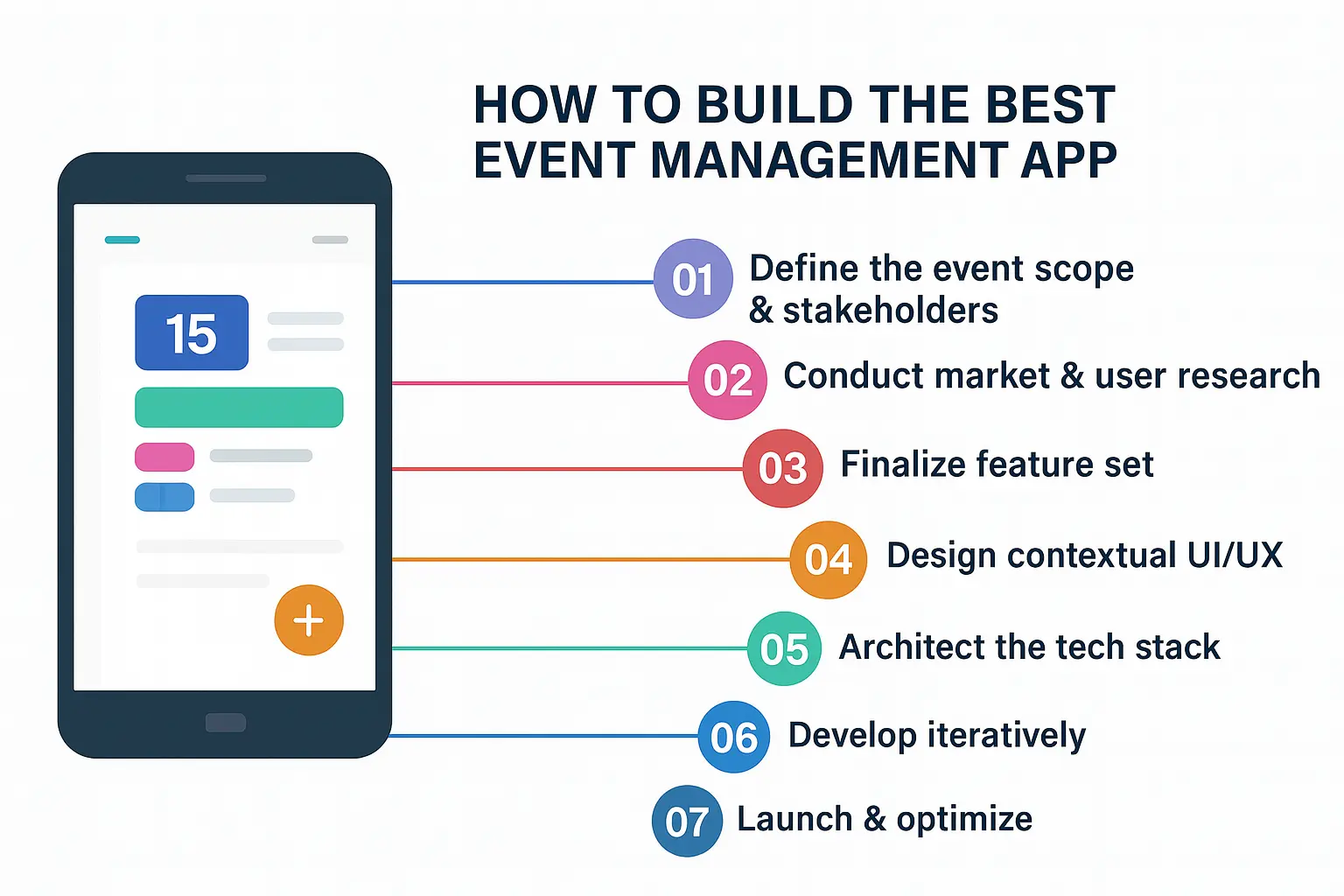
Before diving into the technical aspects of building your language learning app, it’s important to understand the initial planning phase. This includes defining your target audience, determining the languages you want to offer, and identifying the key features that will set your app apart from the competition. Effective planning in the early stages is crucial for successful language learning application development.
The first step in developing a language learning app is identifying your target demographic. Are you catering to school children, college students, business professionals, or polyglots? Each group will have different expectations and learning goals. Understanding these preferences will guide the design and functionality of your app.
You’ll also need to decide the languages your application will support. While popular languages like Spanish, Mandarin, and French are a good starting point, offering less commonly taught languages can provide a niche market advantage. The inclusion of regional dialects and local cultural content can also enhance user engagement.
Designing the User Experience
A critical component of creating a language learning app is designing an intuitive and user-friendly interface. The user experience is paramount in keeping learners motivated and engaged with the app. The process of how to make your own language learning app should begin with wireframing your design ideas and conducting user testing to refine your approach.
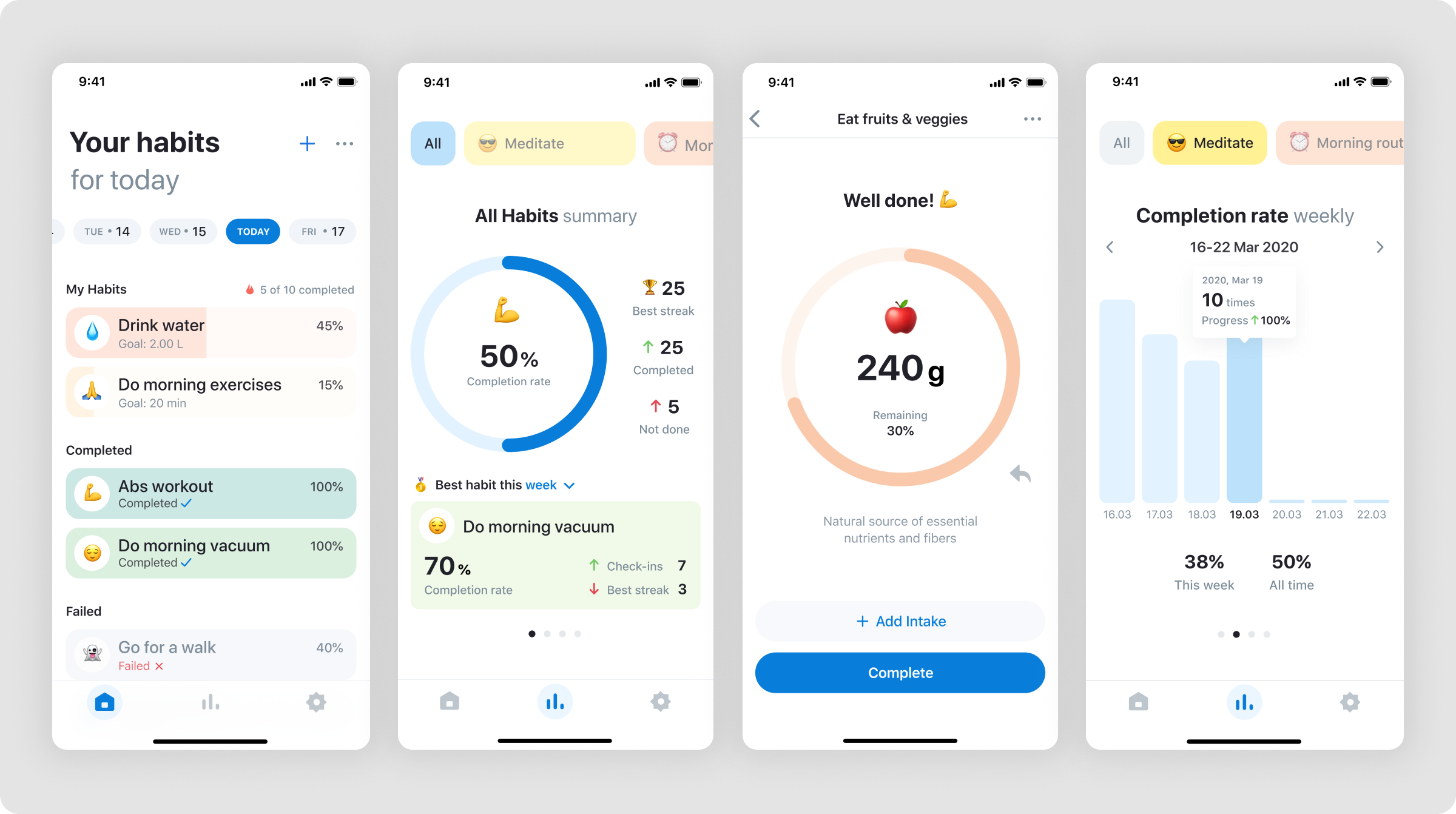
Focus on ease of navigation, visual appeal, and the logical arrangement of features. Incorporating elements like personalized learning paths, progress tracking, and interactive lessons can significantly enhance user engagement. It’s also beneficial to consider accessibility options to make the app usable for those with disabilities.
Interactive features, such as speech recognition, gamification, and social connectivity, play a pivotal role in modern language learning software development. For instance, voice interactions allow users to improve pronunciation and listening skills, while gamified elements like rewards and challenges make learning enjoyable.
Technical Considerations in Language Learning App Development
Once you’ve finalized the design of your app, it’s time to focus on the technical aspects. Language learning mobile app development requires a thorough understanding of the latest technologies and programming languages. It’s essential to choose the right technology stack that aligns with your app’s requirements.
Commonly used technologies include React Native and Flutter for cross-platform apps, enabling you to reach a broader audience across both iOS and Android devices. For backend development, Node.js and Django are popular due to their efficiency and scalability. Moreover, integrating APIs for text-to-speech, translation, and speech recognition is vital for creating a realistic language learning experience.
Ensuring data privacy and security is another critical consideration. Language learning apps often store user progress and personal details, necessitating robust security protocols. Use encryption and secure user authentication methods to protect user data.
Implementing Features for Engaging Learning
Creating a language learning app requires more than just instructional content. Providing a wide range of engaging and interactive features is key to developing a language learning app that users find valuable. Success in language learning app development often depends on the novelty and effectiveness of its features.
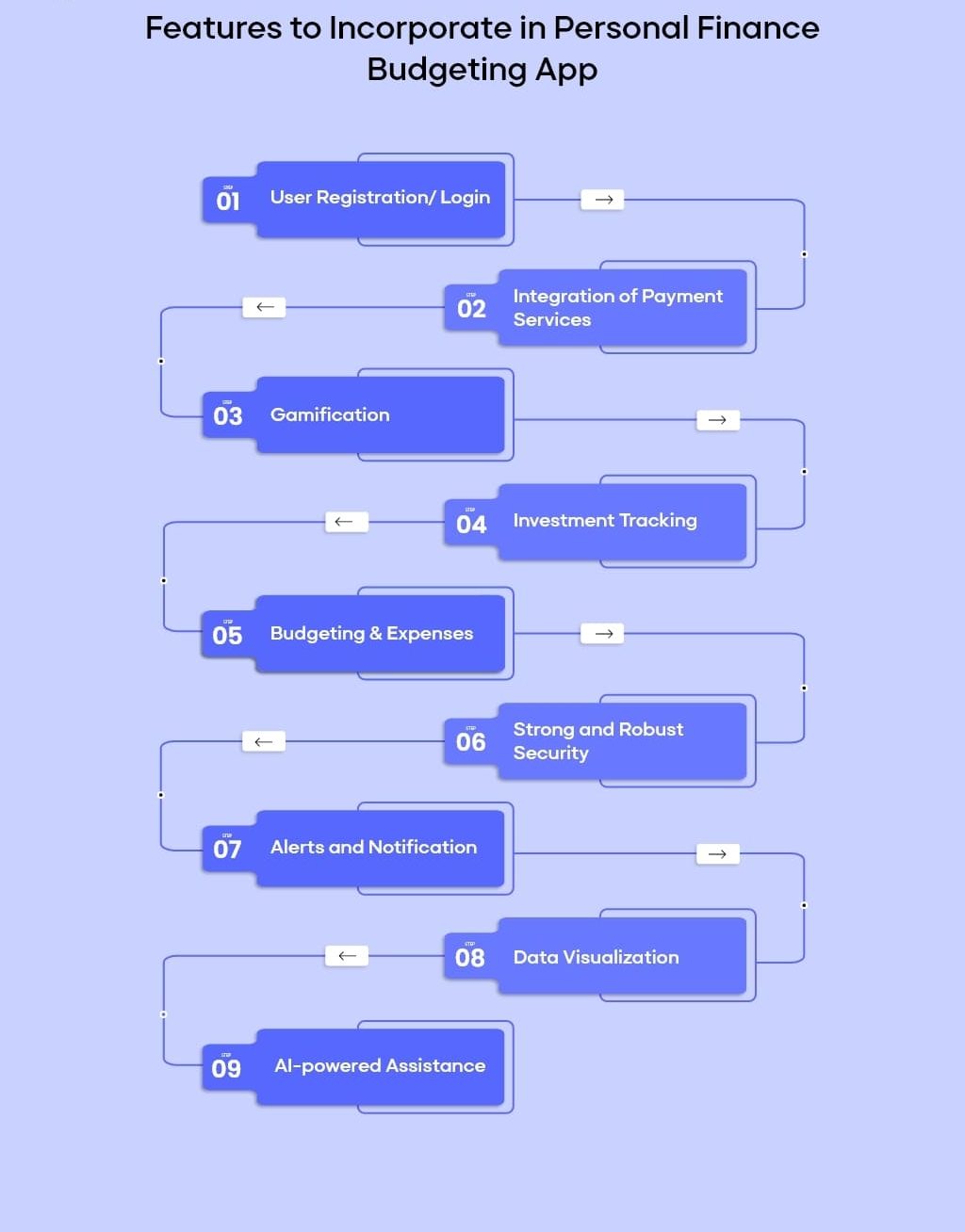
Incorporate multimedia content like videos, audio clips, and live lessons to cater to different learning styles. Leverage AI-driven personalization to offer custom learning plans based on each user’s progress and preferences. Gamification strategies, such as leaderboards, achievements, and daily challenges, can also enhance the overall learning experience.
Augmented reality (AR) is a trending feature that can significantly enhance a language learner’s immersive experience. For example, using AR for real-life practice scenarios can help users practice vocabulary and conversation skills in a virtual environment, bridging the gap between theoretical learning and practical application.
Marketing and Monetization of Your Language Learning App
Once you’ve built a language learning app, the next challenge is marketing and monetizing it effectively. In a competitive market, having a robust marketing strategy is essential for gaining traction and building a user base.
Utilize social media platforms, partnerships with educational institutions, and search engine optimization (SEO) to reach your target audience. Offering free trials or limited content can entice users to explore the full-featured version of your app.
Monetization strategies for language learning tracker app development include subscription models, in-app purchases, and freemium services. Offering additional premium content or ad-free experiences through a subscription can generate steady revenue. In-app purchases for specialized courses or resources provide optional customization for users seeking specific language skills.
Future Trends in Language Learning Technology
As we approach 2025, several trends are poised to shape the future of language learning applications. Building a language learning app now involves integrating cutting-edge technologies that elevate the learning experience.
Artificial intelligence continues to play a transformative role in personalizing user experiences through adaptive learning paths and real-time feedback. Machine learning algorithms can analyze user interactions and provide insights to optimize content delivery.
Furthermore, the integration of virtual reality (VR) offers the potential for immersive language learning environments where users can interact in simulated real-world scenarios. These advancements not only enhance learning effectiveness but also make the process engaging and memorable.
Conclusion: Creating Your Own Language Learning App
Embarking on the journey of language learning application development is both exciting and challenging. From the initial concept to deploying a fully functional app, every stage requires careful planning, creativity, and technical prowess. Whether you choose to create language learning app free tools or premium services, understanding your audience and leveraging technology innovatively is crucial for success.
By focusing on user experience, embracing emerging technologies, and developing engaging features, you can create a language learning app that resonates with learners worldwide. The future of language learning is bright, filled with opportunities for innovation and growth in the digital age. Embrace this potential and make your own language learning app that not only teaches but inspires and connects people across cultures.
| Feature | Description |
| Interactive Lessons | Include engaging multimedia components to enhance learning processes. |
| Speech Recognition | Use AI for real-time pronunciation feedback. |
| Personalization | Create adaptive learning paths tailored to individual progress and needs. |
| Gamification | Implement rewards, challenges, and puzzles to motivate continuous learning. |
| Augmented Reality (AR) | Offer immersive scenarios for practical language application. |
| Data Security | Ensure encryption and secure user authentication for privacy. |
Developing and launching a language learning app is a rewarding endeavor that can have a lasting impact on global education and communication. Whether you’re wondering how to start a language learning app or looking to enhance an existing platform, the principles outlined in this article will guide you towards creating a meaningful and successful application.