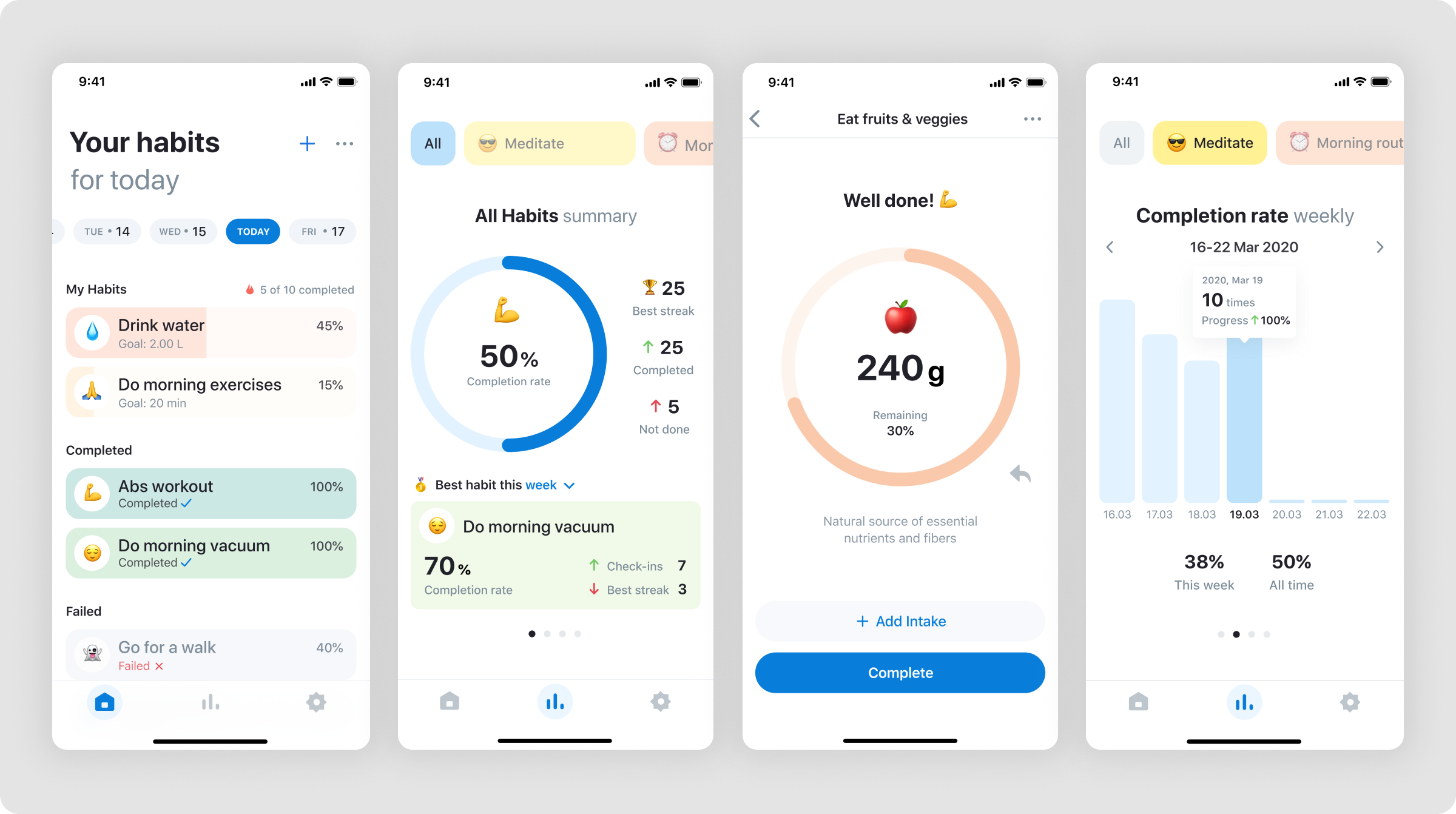
The digital wallet industry is rapidly evolving, and the potential for innovation continues to grow. As we move into 2025, the question of how to create a digital wallet app has become increasingly relevant for businesses looking to offer convenient, secure, and user-friendly financial solutions. This article will guide you through the key steps and considerations for digital wallet implementation, ensuring that you have the knowledge and tools needed to succeed in this competitive market.
Understanding the Basics of Digital Wallets
Before diving into the technical aspects of how to create a digital wallet, it’s important to understand the fundamental concepts that underpin these applications. A digital wallet functions as a software-based payment system that securely stores users’ payment information and passwords for numerous payment methods and websites. By allowing consumers to make electronic transactions easily, digital wallets are fast becoming a cornerstone of modern financial interactions.
In 2025, digital wallets are expected to become even more integral to everyday transactions, offering users increased flexibility and security. Setting up a digital wallet on a mobile device involves integrating various technologies, from near-field communication (NFC) to Quick Response (QR) codes, to facilitate transactions. As such, a solid understanding of these technological elements is essential for any developer looking to build a wallet application.
Key Features of a Digital Wallet App
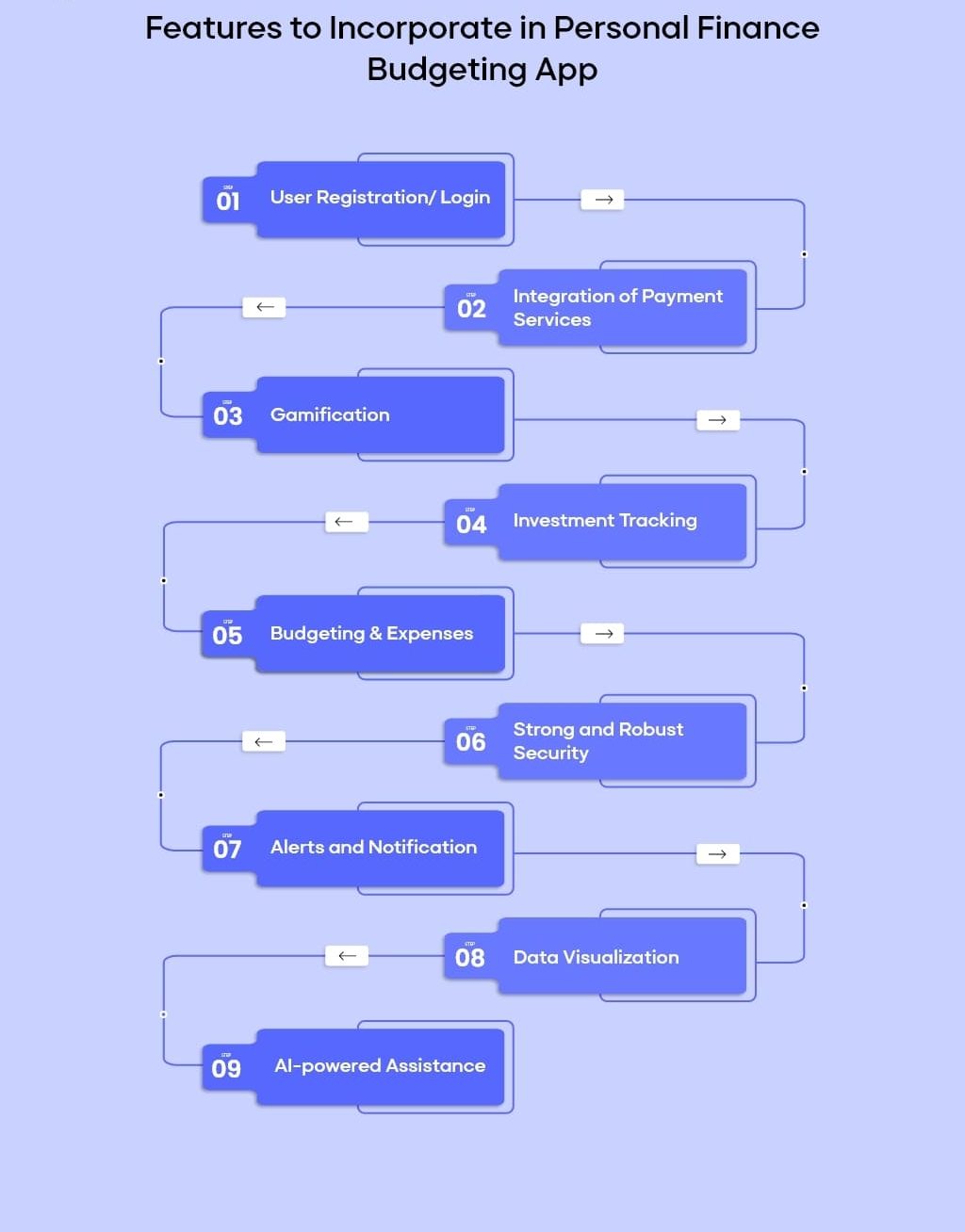
Identifying and implementing the key features of a digital wallet app is crucial for ensuring its success in a competitive landscape. At its core, any digital wallet must ensure security, ease of use, and broad payment method support.
For security, incorporating advanced encryption and secure authentication methods, such as biometrics, are vital. Ease of use can be achieved through a user-friendly interface that enables quick navigation and transaction processing. Additionally, supporting a wide variety of payment methods, from credit cards to cryptocurrencies, can significantly enhance the wallet’s versatility and appeal.
As you embark on digital wallet implementation, consider these indispensable features to ensure that your wallet app meets users’ expectations and industry standards.
Setting Up a Digital Wallet: The Development Process
Creating a digital wallet involves several key steps, each of which plays a vital role in the overall development process.
The first step is conceptualization, where you define the app’s purpose, target audience, and unique selling points. A comprehensive understanding of user needs and market trends will inform the app’s core functionalities and features.
Once you’ve established a clear concept, the development phase begins. This involves designing the app’s architecture, which should be robust and scalable to accommodate future enhancements. Choosing the right technology stack is critical — consider languages like Java, Kotlin, or Swift for mobile development, and explore frameworks like React Native for cross-platform capabilities.
Security features must be seamlessly integrated, including encryption, two-factor authentication, and secure APIs to protect users’ financial data. With the rise of cyber threats, prioritizing security in the development process cannot be overstated.
Finally, thorough testing is essential to identify and resolve any bugs or vulnerabilities. This phase includes both alpha and beta testing, enabling you to gather user feedback and make necessary adjustments before the official launch.
Challenges in Building a Digital Wallet
Building a digital wallet app in 2025 comes with its own set of challenges. One of the primary hurdles is navigating the complex regulatory environment that surrounds financial technologies. Compliance with global standards like the Payment Card Industry Data Security Standard (PCI DSS) is essential to ensure the protection of sensitive information.
Moreover, digital wallets must cater to a diverse user base, each with varying preferences and technological proficiencies. Developing a universally appealing interface that preserves functionality while remaining user-friendly can be challenging but is essential for widespread adoption.
Scalability is another concern, as the app must handle growing user numbers and transaction volumes efficiently. Implementing scalable server architectures and optimizing the app for performance are crucial steps in overcoming this challenge.
How Do I Create a Digital Wallet App? Step-by-Step Guide
Understanding how to create digital wallet apps involves a clear step-by-step approach, and adhering to best practices is crucial for success.
Start with thorough market research to identify your target audience and understand the competitive landscape. Use this information to define your app’s unique features and benefits.
Proceed with sketching a wireframe of your app’s user interface, focusing on simplicity and intuitive design. Collaborate with UI/UX designers to refine these wireframes and create prototypes for initial feedback.
The development phase follows, where coding begins using the selected technology stack. Prioritize secure coding practices to protect user data and integrate essential payment gateways and features.
After completing the development and testing phases, a strategic launch is critical. Marketing efforts should highlight the app’s unique selling propositions, targeting audiences identified during the research phase.
User onboarding is another pivotal aspect; providing comprehensive guides and support can greatly enhance user experience and retention. Continuous updates and customer feedback loops are necessary for long-term success and adaptation to market changes.
Thematic Table: Technologies Used in Digital Wallet Development
| Technology/Framework | Description |
| Java/Kotlin/Swift | Programming languages for native mobile app development. |
| React Native | Framework for developing cross-platform apps efficiently. |
| NFC (Near Field Communication) | Technology for contactless payment transactions. |
| Secure APIs | Interfaces for safe data exchange between systems. |
| Blockchain | Technology for secure and transparent transactional processes. |
Conclusion
The rise of digital wallets in 2025 illustrates a fundamental shift in how consumers manage and execute financial transactions. Creating a digital wallet app requires a confluence of technical expertise, market insight, and innovative thinking. By understanding the basic principles, integrating essential features, addressing challenges, and following a structured development process, you can successfully enter the burgeoning digital wallet market. Through this, you not only meet the current demands of users but also pave the way for future financial innovations.