In 2025, the explosion of personal mobility solutions continues to reshape how we perceive transportation. One pivotal element within this sphere is the car rental industry, which is experiencing burgeoning demand among travelers and urban dwellers alike. This article will serve as a detailed guide on how to create a car rental app, addressing the technicalities and processes involved in car rental application development. From conceptualization to deployment, we aim to equip you with the knowledge needed to navigate this space effectively.
Understanding the Car Rental App Market
Before delving into the technicalities of car rental app development, it’s crucial to understand the market landscape. The demand for convenient and efficient car rental services is at an all-time high, driven by an increasing need for flexible transportation options. Creating a car rental app is not just a technological endeavor but a response to evolving consumer needs. This overview will help ground your app development strategy in real-world demands.
Essential Features of a Car Rental App
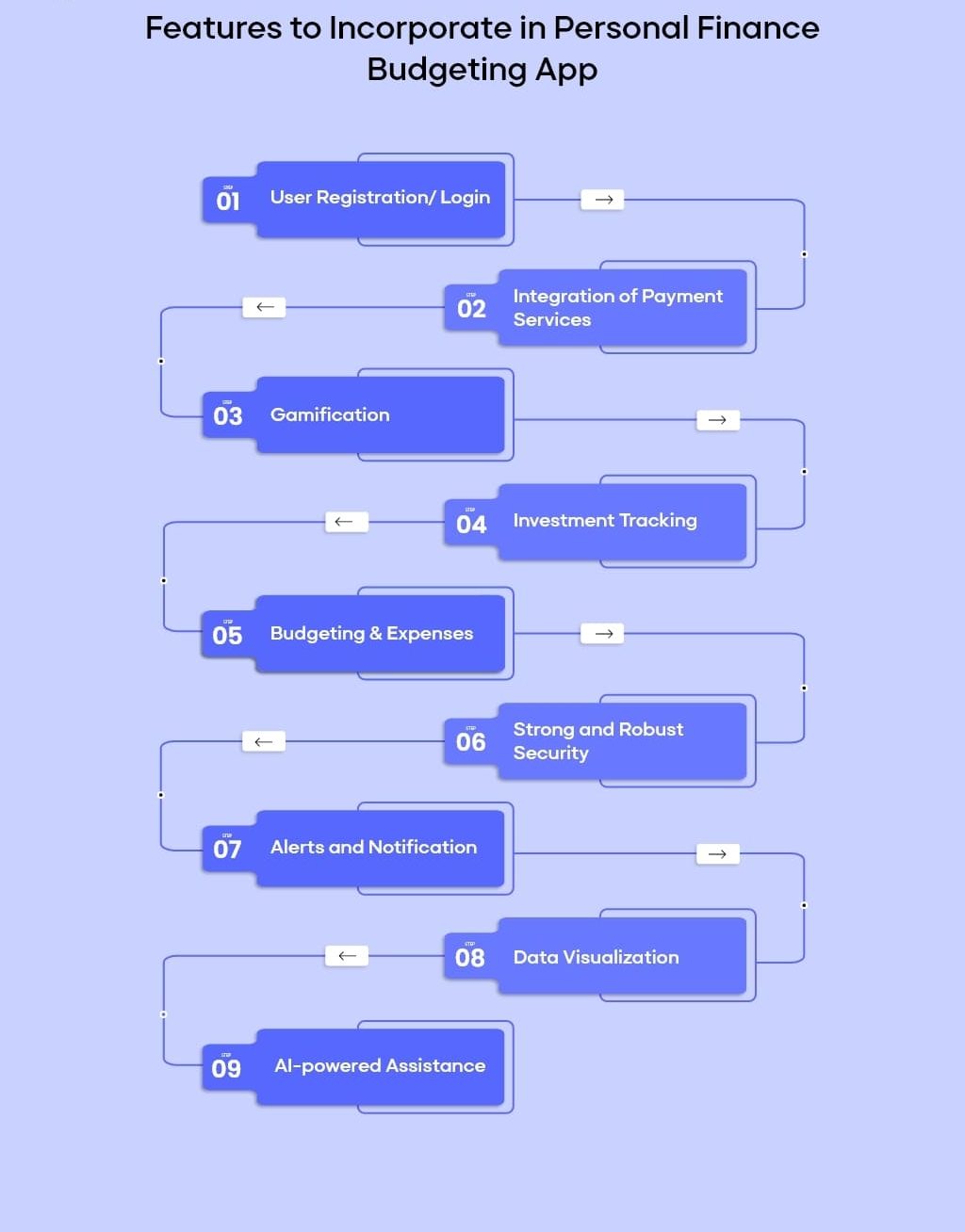
When developing a car rental app, understanding the essential features that users expect is critical. A successful car rental app should integrate user-friendly interfaces, robust search filters, seamless booking options, and secure payment gateways. Incorporating these features effectively can set the foundation for an engaging user experience while also significantly streamlining the operational aspects of rental service management.
User Registration and Profile Management
A robust user registration system wherein clients can create and manage their profiles is necessary. It should support multiple registration methods including email, phone numbers, and social media accounts. Understanding how to create car rental app user management systems will enhance customer loyalty and retention.
Booking and Scheduling
The heart of any car rental app is its booking system. It needs to offer real-time vehicle availability, support various rental duration options, and facilitate convenient modification or cancellation of reservations. How to build a car rental app that seamlessly manages bookings will differentiate it from the competition.
Vehicle Tracking and Maintenance Alerts
Integrate GPS-based vehicle tracking to offer users real-time location updates on rented cars. Additionally, a system to alert users and administrators regarding vehicle maintenance due dates can exponentially enhance service quality and vehicle longevity, an essential aspect of car rental tracker app development.
Technical Aspects of Car Rental App Development
Developing a car rental app is a multifaceted task that involves several technical layers. From selecting the right technology stack to testing and deployment, understanding these components is crucial. This section delves into the core technical aspects involved in building a car rental app.
Frontend and Backend Development
Selecting the right technologies for frontend and backend development is crucial. A robust backend architecture will seamlessly process transactions and manage user queries, while an interactive frontend will enhance user experience. Exploring technologies like React Native for the frontend and Node.js for the backend can be particularly advantageous when creating a car rental app.
Database Management
Efficient database management is at the heart of car rental software development. Databases need to store vast amounts of user and vehicle data securely. Understand the nuances of choosing between SQL and NoSQL databases for effective data storage and retrieval.
API Integration
APIs play a crucial role in integrating third-party services like payment gateways, map services, and customer verification systems. Mastery of API use is imperative in developing a car rental app that can deliver seamless service experiences.
Security Measures
Ensuring the security of user data should be a top priority. Implement encryption algorithms, secure authentication protocols, and regular security audits to protect user information and transaction details, a cornerstone of comprehensive car rental mobile app development.
Designing the User Interface (UI) and User Experience (UX)
A user-friendly and intuitive interface is instrumental in how users interact with your app. Effective UI/UX design ensures that users can navigate the app effortlessly, making their engagement with services pleasant and efficient. The importance of UI/UX design in how to make a car rental app cannot be underestimated.
Accessibility and Navigation
Design the app to be accessible to all users, including individuals with disabilities. Simplified navigation, clear instructions, and ergonomic design contribute to a positive user experience when building a car rental app.
Visual Elements and Branding
Incorporate consistent branding throughout the app. Aesthetically pleasing visuals and cohesive brand elements are essential to making an app recognizable and appealing.
Responsive Design
Ensuring that your app is responsive across various devices is crucial. Whether accessed on a smartphone, tablet, or desktop, the app’s functionality and visual appeal should be uniformly excellent.
Deployment and Maintenance of a Car Rental App
Successfully launching your car rental app is an important milestone, but it’s equally vital to focus on post-launch operations and maintenance. Continuous monitoring, regular updates, and robust customer support are crucial for achieving long-term success in car rental app development.
Launch Strategy
Plan a strategic launch that includes beta testing, gathering user feedback, and making iterative improvements based on initial usage data. A well-executed launch plan will lay the foundation for the app’s market presence and credibility.
Feedback and Iterations
Post-launch, actively seek user feedback and implement necessary changes. Regular updates based on user feedback are vital in ensuring the app remains current and user-centric.
Scalability and Upgrades
Planning for future scalability is integral in how to start a car rental app. Ensuring the app can handle increased user loads, accommodate additional features, and adapt to technological advancements will support long-term sustainability.
Case Study: Successful Car Rental Apps
Analyzing successful car rental apps can provide insights into effective strategies and common missteps. Understand what distinguishes major players in the car rental industry and incorporate their best practices into your development process.
Future Trends in Car Rental App Development
The landscape of car rental mobile app development is rapidly evolving. Stay ahead by keeping an eye on emerging trends such as AI integration, enhanced customization, and green car rental options. These trends will guide how to develop a car rental app that meets future consumer demands.
AI and Machine Learning
AI and machine learning are transforming car rental services. From predicting user preferences to optimizing vehicle dispatch, these technologies can significantly enhance operational efficiencies and user satisfaction.
Sustainability and Green Solutions
As environmental consciousness grows, integrating green vehicle options and eco-friendly operational practices can attract environmentally-conscious consumers. Developing a car rental app with sustainability at its core can differentiate it in a competitive market.
Conclusion
Creating a car rental app in 2025 demands a comprehensive strategy that integrates innovative technology, robust functionality, and user-centric design. By following this guide and focusing on user needs, market trends, and technological advancements, you can build a successful car rental app that stands the test of time. Whether you’re aiming to make your own car rental app or boost an existing service, this approach ensures a strong foundation for achieving your goals in the competitive car rental industry.