In today’s digital age, managing finances through mobile applications has become increasingly popular. Personal finance apps offer users an efficient way to track expenses, set budgets, and manage investments directly from their smartphones. With the rise in demand, knowing how to make a personal finance app can be a lucrative opportunity for developers. This article will walk you through the process of personal finance app development, highlighting the key steps, considerations, and technologies involved.
Understanding Personal Finance Application Development
Before diving into the development process, it is crucial to understand the nature and purpose of a personal finance app. These applications serve as tools for users to monitor their financial activities efficiently. They often provide features such as expense tracking, budgeting, financial goal setting, and report generation. Understanding the scope and functionality of your app is the first step in creating a personal finance app that meets user needs.
Developing a personal finance app requires careful planning and a deep understanding of financial digital ecosystems. With the right approach, you can create a compelling product that stands out in the competitive market and attracts a broad user base.
Key Features to Consider When Developing a Personal Finance App
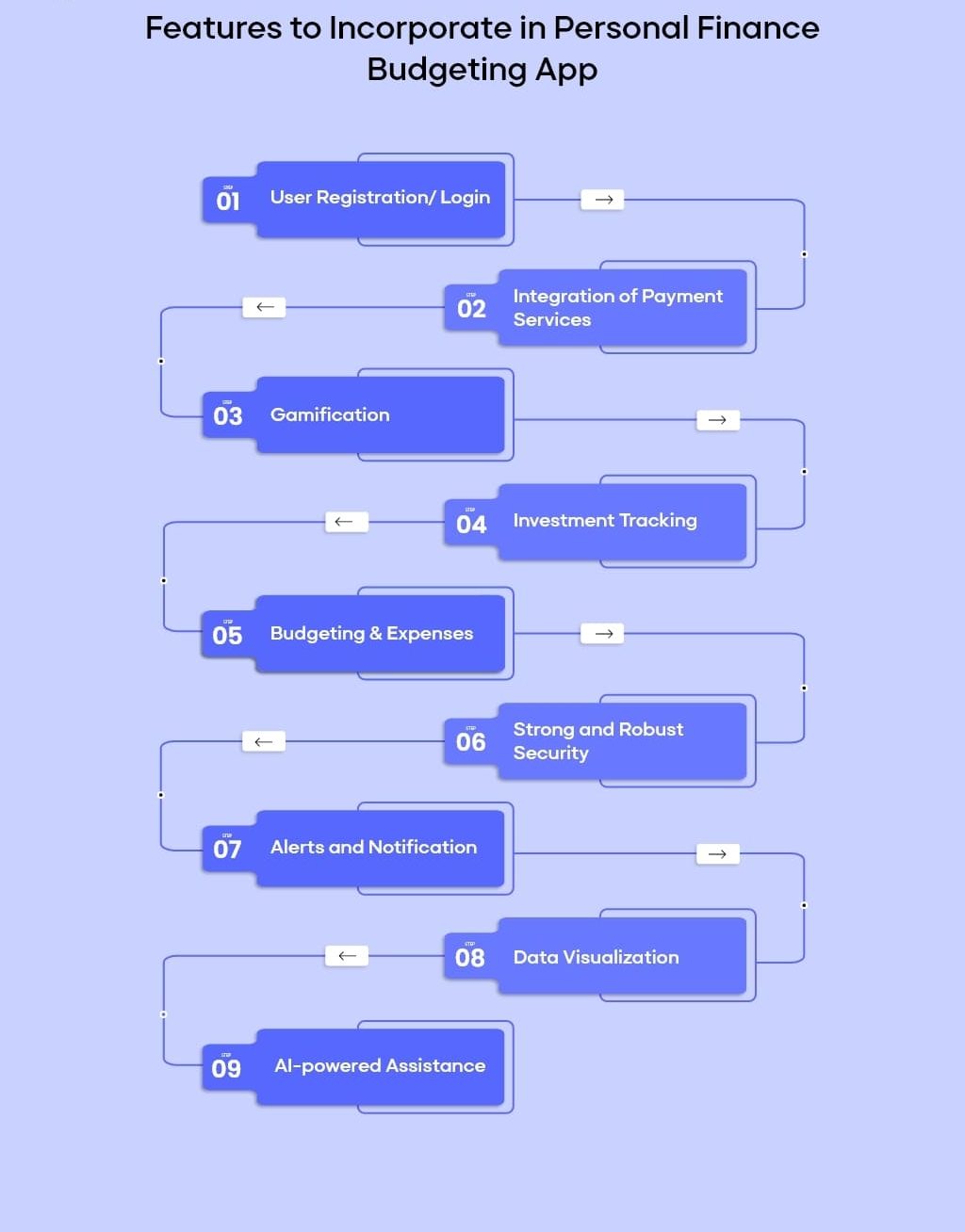
When you decide to develop a personal finance app, it is important to choose the right features that will make your app user-friendly and comprehensive. Here are some critical features to consider:
Expense Tracking
One of the primary features of any personal finance app is the ability to track daily expenses. Users should be able to categorize their spending and view detailed reports that give insights into their financial habits. This feature requires integration with bank accounts or manual entry options.
Budgeting Tools
A robust budgeting feature is essential in personal finance tracker app development. Users should be able to set financial goals and allocate budgets to different categories such as groceries, rent, and leisure. The app should provide alerts when users are close to exceeding their set budgets.
Security Measures
Financial apps handle sensitive data, making security a top priority when building a personal finance app. Ensure that your application supports encryption, two-factor authentication, and adheres to financial regulations to protect user data.
Investment Monitoring
Investment tracking can be a valuable feature for users looking to manage their portfolios. Providing real-time updates and insights on stocks, bonds, and other assets can enhance the functionality of your app.
Multi-Platform Availability
To reach a broader audience, consider personal finance mobile app development that supports multiple platforms, including iOS and Android. Ensuring your app is accessible on various devices will increase its usability and convenience.
How to Start a Personal Finance App
The journey to start a personal finance app begins with a clear planning phase. This stage involves market research, identifying your target audience, and defining your unique value proposition. It is also vital to outline the core functionalities your app will offer and how these will differ from existing competitors.
By thoroughly understanding the current market landscape, you can develop a strategy that addresses the pain points of potential users. This approach will set a solid foundation for how to create your own personal finance app effectively.
Planning and Design Phase
In the planning and design phase, you will outline the project scope, create wireframes, and develop a user interface (UI) that emphasizes intuitive navigation and user engagement. This phase is crucial when learning how to create a personal finance app as it dictates the user experience.
Wireframing and Prototyping
Wireframing helps in visualizing the layout and structure of your app. It is a blueprint that guides developers on how to build a personal finance app with the desired functionalities. Prototyping enables you to test user interactions before the final development, allowing for feedback and iterations.
User Experience and Interface Design
Crafting a compelling UI/UX is pivotal in personal finance app development. The design should facilitate easy navigation, with a minimalistic approach to avoid overwhelming users. Consistent branding and color schemes also contribute to a cohesive and appealing app design.
Development Process: How to Build a Personal Finance App
Once the planning and design phases are complete, the next step is the actual development. This involves choosing the right technology stack, coding, and feature integration to achieve the app’s desired functionalities.
Choosing the Technology Stack
Selecting the appropriate technology stack is crucial when creating a personal finance app. Popular choices include Swift or Objective-C for iOS development, and Java or Kotlin for Android. For cross-platform apps, consider using frameworks like React Native or Flutter.
Back-End Development
The back-end development involves setting up servers, databases, and APIs that will power your app. When you build a personal finance tracker app, ensure the back-end supports data synchronization and storage efficiently.
Front-End Development
During the front-end development, developers focus on the user interface and user experience components. This is where wireframes come to life, and users interact with visible elements of the app.
Testing and Quality Assurance
Testing is a critical step in building a personal finance app. It ensures that all features function correctly and that there are no security vulnerabilities. Testing is divided into different phases, including unit testing, integration testing, and user acceptance testing.
Security Testing
Given the sensitive nature of financial data, prioritize security testing to prevent data breaches. This will involve simulating potential security threats and validating your app’s capabilities to handle such scenarios.
User Testing
User testing will provide valuable insights into the app’s usability. Collect feedback from a select group of target users to identify areas of improvement before the official release.
Deployment and Marketing: How to Create a Personal Finance App Successfully
Once testing is complete, the deployment phase begins. This stage involves submitting your app to app stores and preparing for the launch. It is also a good time to implement marketing strategies to attract early adopters.
App Store Regulations
Each platform has specific requirements for app submissions. Ensure that you comply with all guidelines to avoid any hindrances during the launch. This includes setting up the necessary metadata, screenshots, and app descriptions.
Marketing Strategy
A comprehensive marketing strategy is vital when you embark on personal finance mobile app development. Leverage social media, SEO, and online communities to increase visibility. Offering promotional discounts or features can also entice new users.
Post-Launch Support
After the app’s launch, continuous monitoring and support are essential to address any emerging issues and to implement updates that enhance user experience. Engage with your user community to gather feedback and stay competitive.
Challenges in Personal Finance Software Development
Developing a personal finance app comes with its own set of challenges. Understanding these obstacles is key to navigating them effectively:
Regulatory Compliance
Ensuring compliance with financial regulations and standards, such as PCI-DSS, is critical in maintaining trust with your users. This includes keeping up-to-date with regional financial laws and data protection regulations.
Data Integration
Integrating financial data from various sources can be complex. It requires working with different APIs and ensuring data-stability to provide accurate analytics to users.
Competition
The personal finance app market is highly competitive. To create a personal finance app free, innovative features and exceptional customer service are vital to differentiate yourself.
User Privacy Concerns
Handling user data responsibly is a significant concern for developers; any mishandling can lead to loss of trust and legal consequences. Therefore, implementing strict privacy policies and secure data handling practices is non-negotiable.
Thematic Table: Essential Technologies for Personal Finance App Development
| Technology | Description |
| Swift / Java | Programming languages for iOS and Android app development |
| React Native | Framework for building cross-platform apps using JavaScript |
| Firebase | Backend-as-a-service platform for data management and storage |
| OAuth | Authorization framework for secure API access |
| Plaid API | Enables bank account connectivity and transaction data access |
| Twilio | Provides communication channels for SMS and multi-factor authentication |
Conclusion: Your Path to Successful Personal Finance App Development
Understanding how to make a personal finance app involves more than just coding; it requires strategic planning, design thinking, and a focus on security and user experience. By following a structured approach to personal finance app development, you can create a product that not only meets user needs but also stands out in the market. Whether you’re building a personal finance app from scratch or improving an existing one, keeping abreast of industry trends and continually innovating are key to your success.