Creating a social media app in 2025 involves intricate planning, detailed execution, and a keen understanding of modern technologies. As social media continues to grow as an indispensable communication and marketing tool, aspiring developers aim to make their mark by designing innovative platforms. This guide provides a comprehensive overview of how to start and excel in social media app development.
Understanding the Basics of Social Media Application Development
Before delving into the intricacies of how to create a social media platform, it’s essential to understand the basic blueprint of social network app development. Social media apps, at their core, are platforms where users can create and share content while interacting with others. These interactions form the backbone of social networking, whether the platform is designed for professional networking, photo sharing, video blogging, or other forms of content exchange.
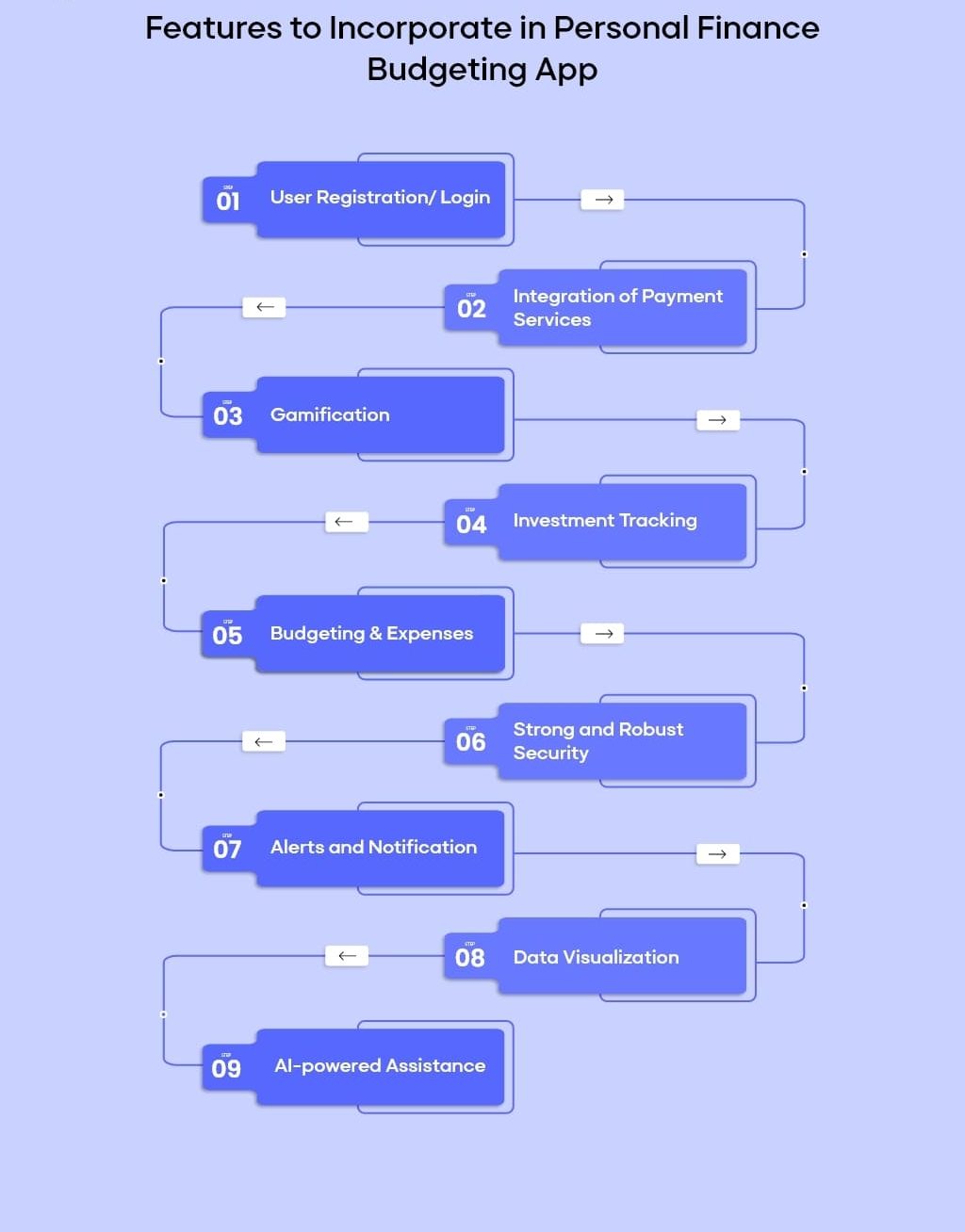
A successful social media app typically features user profiles, content feeds, notifications, and messaging capabilities. Moreover, it should provide an intuitive user experience, be scalable, and accommodate increasing user bases without performance issues.
The Initial Steps in Building a Social Media App
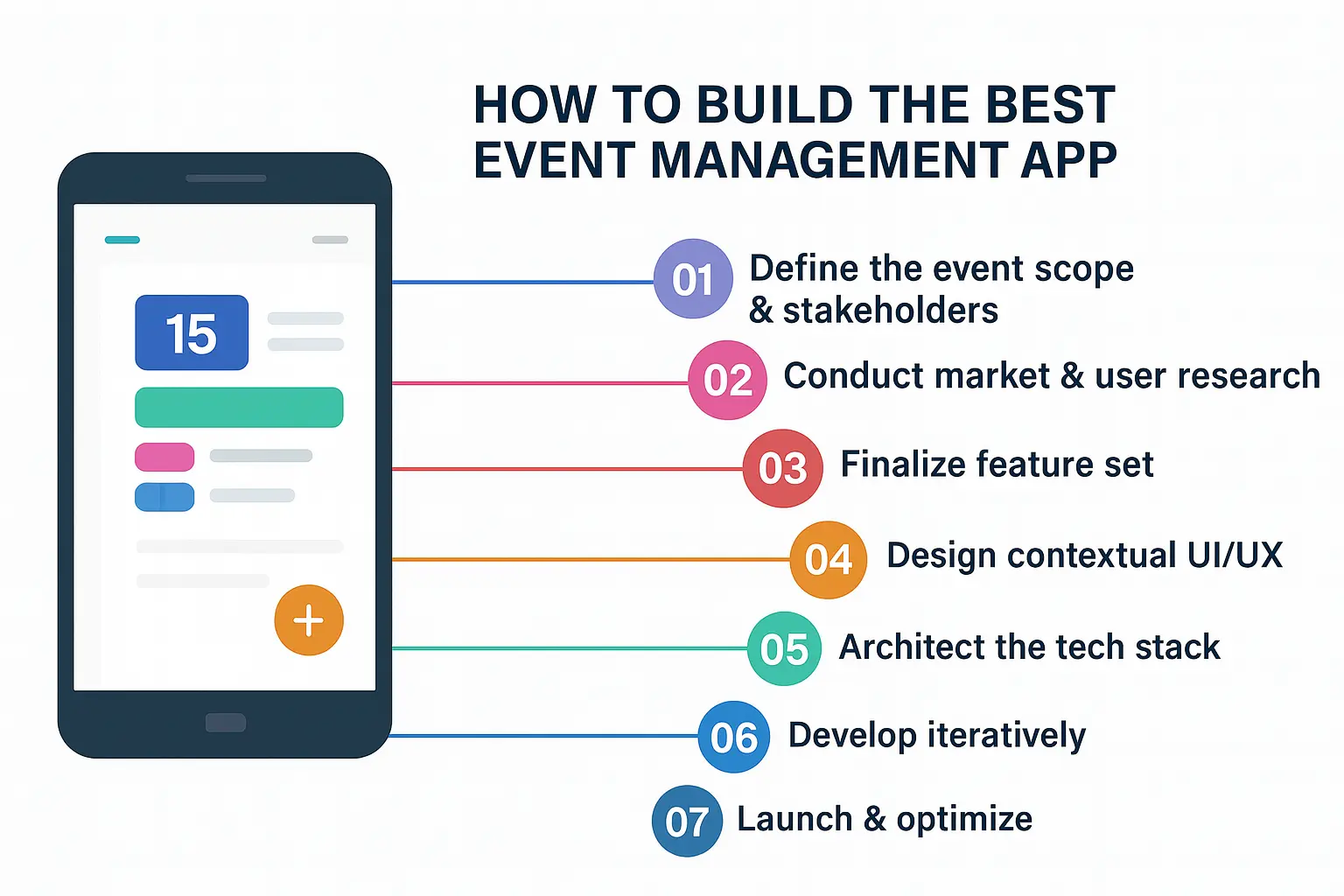
To effectively build a social media app, you need a clear strategy, market research, and a unique value proposition. Understanding your target audience is vital, as it shapes the app’s features and design. Research existing platforms to identify your potential competitors and learn from their successes and failures.
Defining your app’s core functionalities is paramount. Will your platform focus on video content, like TikTok, or emphasize community discussions, like Reddit? Establishing your app’s unique selling points will guide the design and development process.
Designing the User Interface and Experience
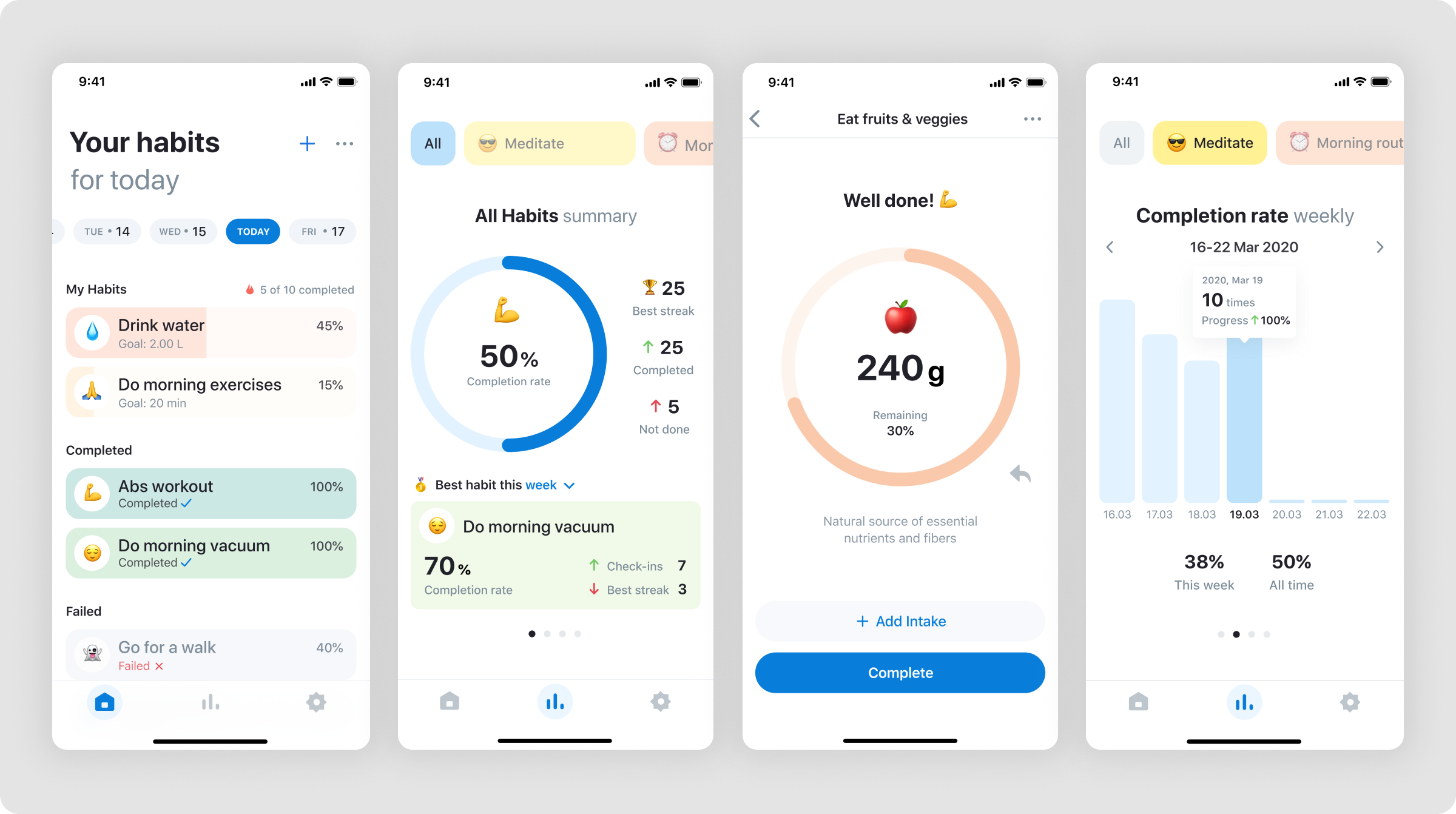
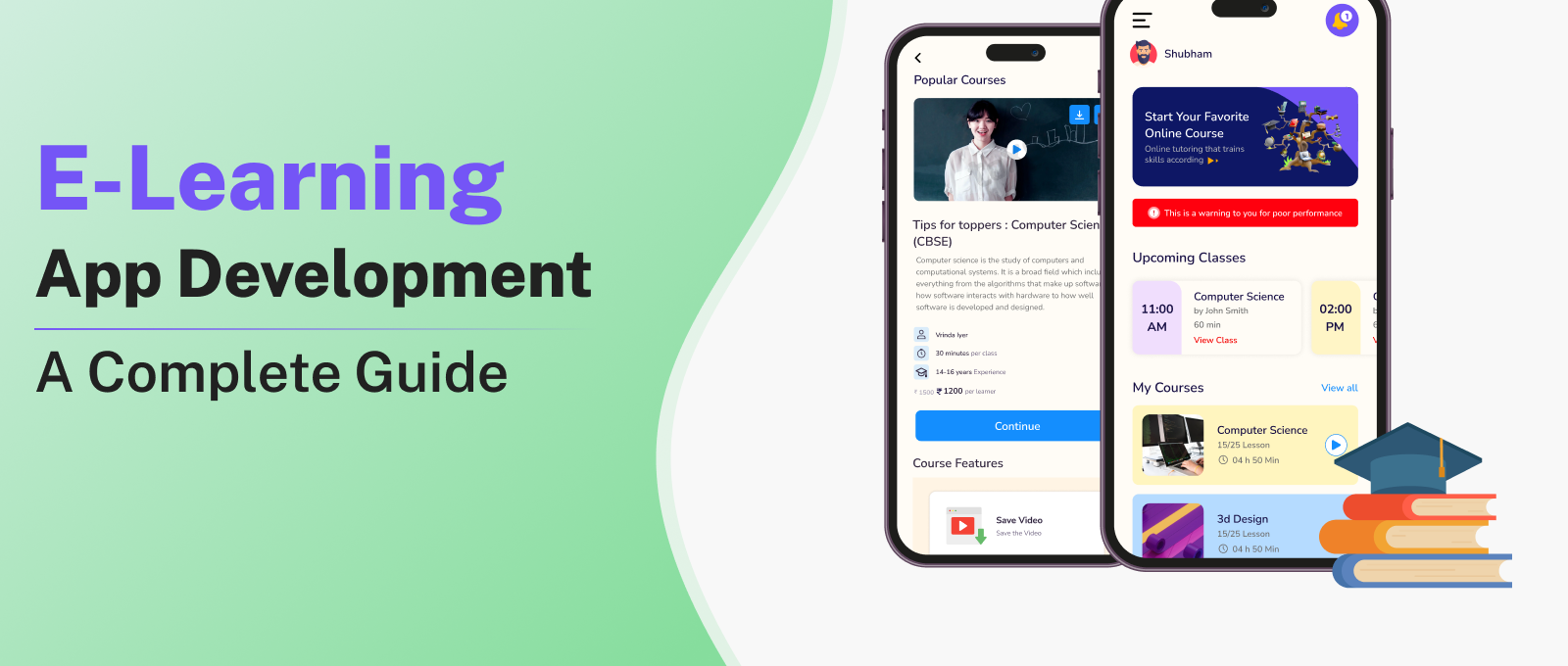
An engaging and easy-to-navigate user interface (UI) is crucial for user retention and satisfaction. When thinking about how to design a social media app, prioritize simple navigation, aesthetically pleasing visuals, and responsive design. The user experience (UX) should be seamless, encouraging users to spend more time on the app.
Incorporate elements like infinite scroll, intuitive gestures, and personalized content feeds to enhance user engagement. Keep accessibility in mind to ensure your app is usable by individuals with disabilities, expanding your potential user base.
Technical Aspects of Building a Social Media App
The technical side of social network application development involves choosing the right technology stack, cloud services, and backend infrastructure. Consider development languages and frameworks that align with your app’s requirements, such as React Native for cross-platform development or Swift for iOS.
Database management is another crucial aspect. You’ll need a robust database to store user data, content, and interaction metrics. Options like Firebase can offer real-time database solutions, while AWS provides scalable server solutions for large-scale applications.
Security is paramount in social media apps to protect user information and prevent data breaches. Implement strong authentication protocols, data encryption, and regular security audits to safeguard your platform.
Prototyping and Development
Building a prototype is a critical step in social media application development. It allows you to test your ideas in a practical setting and gather user feedback before a full-scale launch. Use wireframe tools to design your app’s layout and flow. Encourage stakeholders to provide input, ensuring your app meets user needs and expectations.
The development phase will involve coding the frontend and backend, integrating third-party services like payment systems or analytics tools, and performing rigorous testing. Testing should cover functionality, usability, security, and performance across different devices and operating systems.
How to Code a Social Media App
Learning how to code a social media app involves understanding both frontend and backend programming. For the frontend, frameworks like React.js or Angular can be leveraged for dynamic content rendering. Consider using CSS preprocessors like SASS to streamline styling.
Backend development might involve creating APIs with Node.js or Django, which help facilitate communication between the server and the client side. RESTful APIs are widely used, but GraphQL is becoming increasingly popular due to its efficiency in retrieving only necessary data.
Launching Your Social Media App
After development and testing, the next phase is how to start a social media app effectively. Launching requires strategic marketing to reach your target audience. Utilize social media marketing, SEO, and partnerships with influencers to create buzz around your application.
App store optimization (ASO) plays a critical role in ensuring your app ranks highly in search results. Encourage user reviews and feedback to boost credibility and visibility.
Post-Launch Considerations: Monitoring and Iteration
Once your app is live, the work doesn’t stop. Ongoing iteration and enhancements are crucial to keep your platform relevant and engaging. Use analytics tools to monitor user behavior and gather insights on how people interact with your app. This data can inform updates and new features.
Community management is another critical factor. Engage with your user base, respond to queries, and foster a welcoming environment. This interaction builds loyalty and can drive word-of-mouth growth.
Scalability and Growth Strategies
Ensuring scalability is essential as your user base grows. Implementing cloud-based solutions like Amazon Web Services (AWS) or Google Cloud can facilitate seamless scaling. These platforms offer wide-ranging services to handle increasing workloads without compromising performance.
Strategies for growth can include partnerships, integrations with other apps or services, and diversifying content offerings. Explore possibilities for monetization, such as advertising, premium features, or subscription models, to ensure financial sustainability.
Common Challenges in Social Media Apps Development
Despite your best efforts, challenges in social media apps development are inevitable. Competition is stiff, and user expectations are constantly evolving. Addressing issues of user privacy, content moderation, and fake accounts will be ongoing tasks.
Staying ahead of technological advancements requires continuous learning and adaptation. Employing a flexible development approach, such as Agile, can help your team respond swiftly to changes.
Case Study: Successful Social Media Apps
Learning from successful platforms can provide insights into effective strategies and practices. Consider the trajectory of Instagram, which evolved from an image-sharing app to a social commerce powerhouse, or LinkedIn’s success in professional networking.
These apps have succeeded due to their ability to identify a clear target audience, innovate continuously, and adapt to market demands. They demonstrate the importance of combining technical excellence with strategic marketing.
Forecasting the Future of Social Media App Development
Social media application development is set to evolve significantly by 2025, influenced by advancements in artificial intelligence, virtual reality, and augmented reality. These technologies promise to transform user interactions, personalization, and content experiences, creating new opportunities for innovative app development.
Developers should stay informed about these trends to capitalize on emerging technologies, ensuring their platforms remain competitive and appealing.
Conclusion: Your Pathway to Building a Social Media App
Understanding how to build a social media app involves navigating complex technical and strategic concerns. By prioritizing user needs, employing robust development practices, and embracing innovation, you can create a successful social network app.
Embark on this exciting journey with confidence, armed with the knowledge and insights shared in this guide. Remember, the key to a thriving platform lies in understanding your audience, delivering value, and being agile in the face of ongoing digital transformation. Embrace these principles to make your mark in the world of social media platforms.