The ride-sharing industry has revolutionized urban transportation, providing convenient and affordable travel options. For entrepreneurs and developers looking to enter this lucrative market, understanding the process of ride-sharing application development is crucial. Whether you’re aiming to create your own ride-sharing app or contribute to ride-sharing software development, having a detailed roadmap can guide you to success.
Understanding the Ride-Sharing App Ecosystem
Before diving into how to create a ride-sharing app, it’s essential to comprehend the landscape you’re entering. The ride-sharing application development space is characterized by competition from established players like Uber and Lyft, but it also holds immense potential for new innovations and niche solutions.
Ride-sharing apps typically consist of multiple components: the passenger app, the driver app, and an admin panel. Each component must be seamlessly integrated for a smooth user experience and efficient operation. This ecosystem requires a robust backend infrastructure to handle user requests, bookings, payments, and real-time tracking.
Planning Your Ride-Sharing App
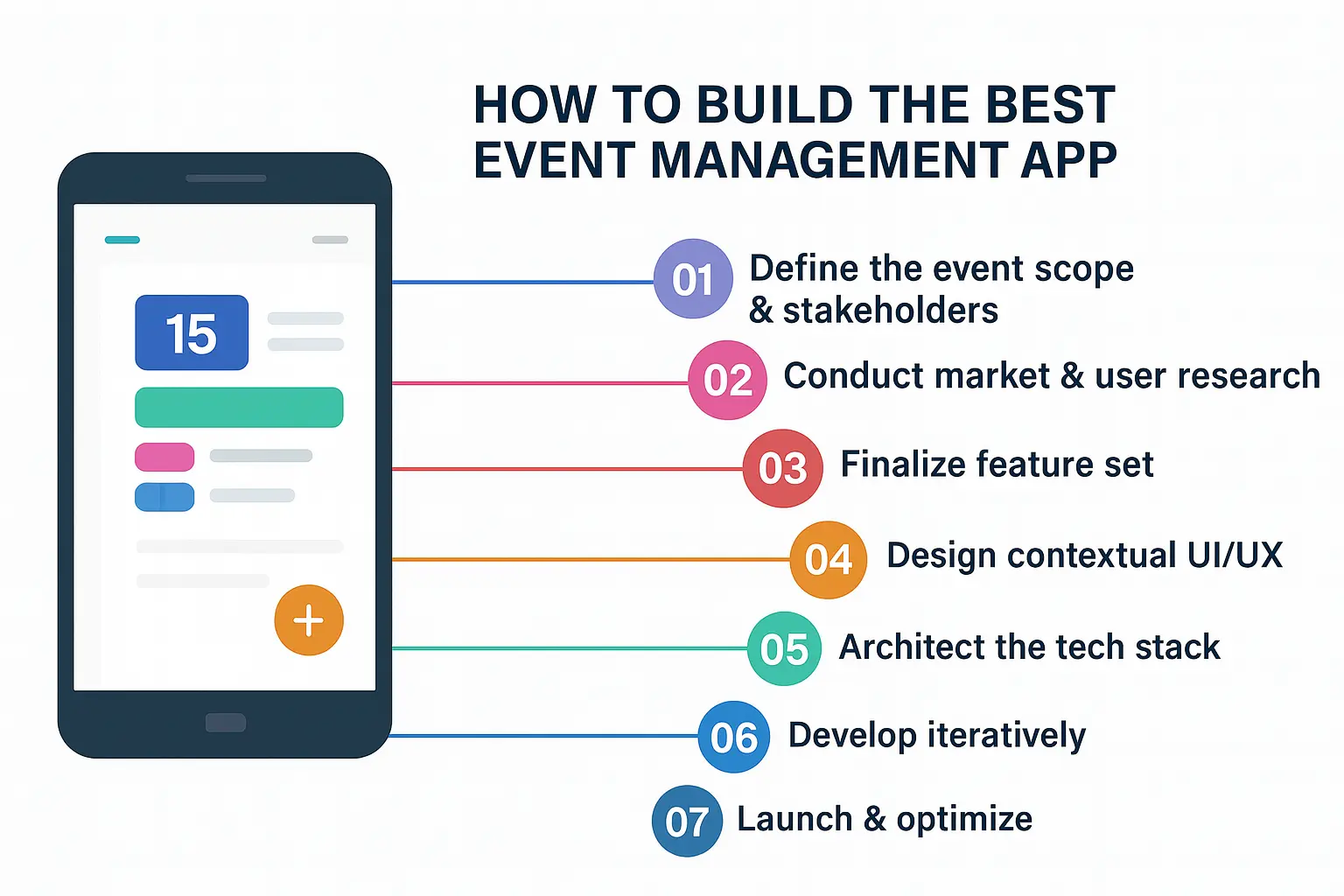
Thorough planning is a critical first step in developing a ride-sharing app. Before you make your own ride-sharing app, consider the following elements: target market, key features, and monetization strategies.
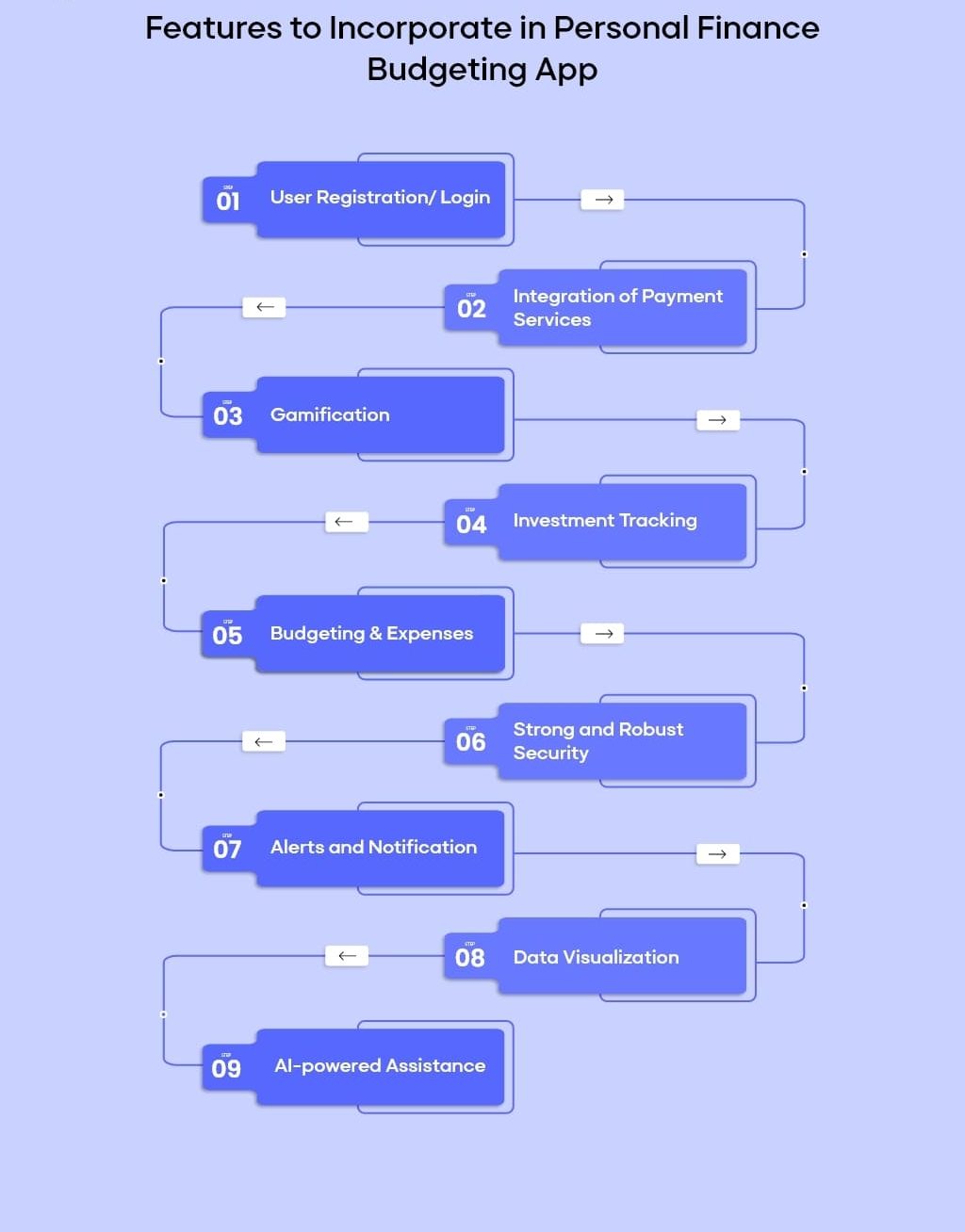
Identifying your target market is essential; determine whether you’ll focus on a niche audience or broader spectrum. Next, outline the essential features of your ride-sharing app, such as user registration, vehicle selection, fare calculation, ride tracking, payment processing, and customer support. Lastly, choose a monetization strategy that aligns with your business goals, whether it involves transaction fees, subscriptions, or ads.
Designing the User Interface and Experience
Having a user-centric approach is vital in creating a ride-sharing app. The design must cater to both drivers and passengers, ensuring ease of use and efficiency.
Focus on intuitive navigation, aesthetically pleasing themes, and consistent user journeys when designing your app’s interface. Consider all user touchpoints, including login, booking, ride-tracking, and feedback mechanisms. Ensure a responsive design that caters to various device sizes and operating systems for a seamless experience.
Backend Development and Database Design
In building a ride-sharing app, backend development is a crucial phase where the app’s infrastructure is established. This involves programming the server-side logic, APIs, and databases.
A reliable backend is necessary to manage the high volume of data and user interactions typical in ride-sharing app development. You must choose a suitable technology stack, considering scalability, security, and performance. Employ a robust database management system to handle user profiles, bookings, and transaction records efficiently.
Implementing Real-Time Features
Real-time functionality is a cornerstone of any successful ride-sharing tracker app development. Integrating features such as live location tracking, instant notifications, and real-time updates enhances user engagement and satisfaction.
Incorporate GPS and mapping services to provide accurate ride tracking and estimated times of arrival. Use push notifications to inform users about ride statuses, driver arrivals, and promotions. Prioritize latency reduction strategies to ensure seamless real-time user interactions.
Integrating Payment Systems
Smooth payment processing is integral to developing a ride-sharing app. Users expect quick, secure, and diverse payment options.
Choose a payment gateway that supports multiple currencies and payment methods, including credit cards, digital wallets, and bank transfers. Implement secure encryption protocols to protect user financial information and comply with industry regulations. Offer features like split fares and cashless transactions for added convenience.
Testing and Quality Assurance
Before launching, rigorous testing and quality assurance are essential steps in how to make a ride-sharing app. This ensures that the app is bug-free, reliable, and provides a satisfying user experience.
Conduct various types of testing, including functional, usability, security, and performance testing. Engage real users for beta testing to gather valuable feedback and make necessary adjustments. A comprehensive testing phase helps identify and rectify potential issues, ensuring a smooth and stable launch.
Deploying and Marketing Your App
Once development is complete, it’s time to launch and promote your ride-sharing app. Effective deployment and marketing strategies can set the stage for success.
Choose the appropriate deployment platforms, such as Google Play Store and Apple App Store, ensuring compliance with their guidelines. Leverage digital marketing strategies, including social media campaigns, influencer partnerships, and SEO optimization to spread awareness and attract users.
Maintaining and Updating the App
The process of building a ride-sharing app does not end at launch. Continuous maintenance and updates are necessary to stay competitive and meet evolving user needs.
Regularly update your app with new features, bug fixes, and performance improvements. Collect user feedback through reviews and surveys to inform future development cycles. Stay informed about emerging trends and technologies to innovate and keep your app relevant in the dynamic ride-sharing industry.
The Future of Ride-Sharing Apps
Looking ahead, the future of ride-sharing apps promises exciting developments driven by technological advancements and changing consumer preferences. Trends like autonomous vehicles, green transportation solutions, and enhanced connectivity will shape the next generation of ride-sharing software development.
Ride-sharing app developers must stay proactive, anticipating these changes and adapting their strategies to meet new demands. Fostering innovation and sustainability will be key in positioning your ride-sharing app for long-term success.
| Aspect | Description |
| Target Market | Identify your audience and whether you focus on a niche or broader market. |
| Key Features | Include registration, booking, tracking, payments, and support. |
| Monetization Strategy | Choose transaction fees, subscriptions, or ads. |
| User Interface | Ensure intuitive navigation and responsive design. |
| Backend Development | Program server-side logic, APIs, and databases. |
| Real-Time Features | Implement GPS tracking, notifications, and updates. |
| Payment Systems | Integrate diverse and secure payment options. |
| Testing | Conduct functional, usability, security, and performance tests. |
| Deployment | Choose appropriate platforms and comply with guidelines. |
| Maintenance | Regular updates and user feedback collection. |
Building a ride-sharing app is a multifaceted endeavor requiring careful planning, execution, and adaptation to market demands. By following these steps and considering each component’s intricacies, you can create a ride-sharing app that not only serves its users efficiently but also stands out in a competitive landscape.