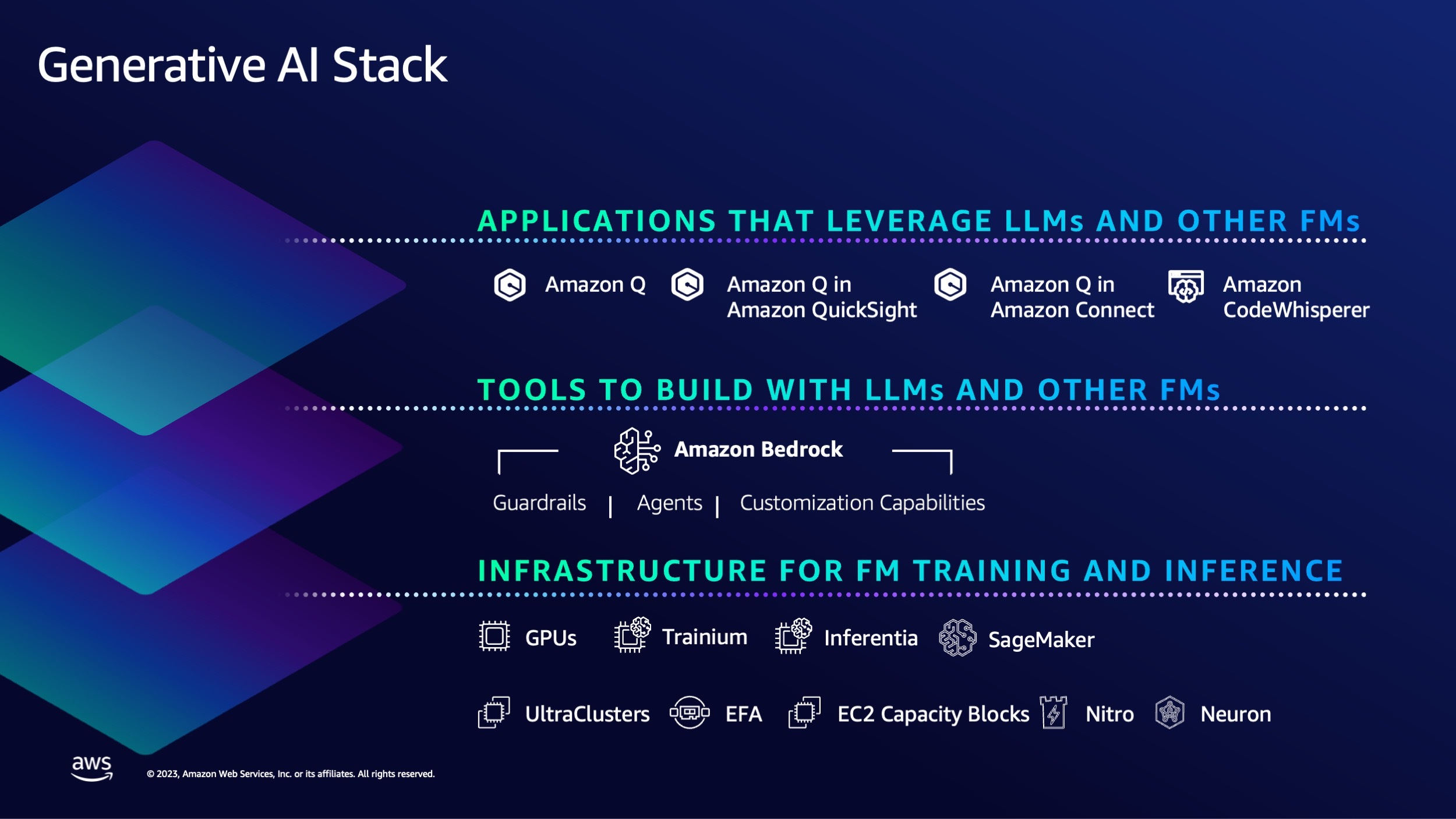
In recent years, the programming landscape has witnessed remarkable transformations, driven significantly by advancements in artificial intelligence. As we approach the mid-2020s, one of the most striking revolutions in the field is the rise of AI copilots for coding. These intelligent systems have been designed to assist developers in writing code more efficiently and accurately, fundamentally altering how software is developed across various industries. This article delves into the emergence of AI copilots, explores their implications for the coding world in 2025, examines their benefits and challenges, and looks into the future of programming alongside AI.
Understanding AI Copilots
AI Copilots are machine learning-powered tools designed to assist programmers. These systems leverage data-driven algorithms to provide recommendations, auto-suggestions, and even complete segments of code. By learning from vast repositories of code, these virtual assistants have become formidable tools in the programmer’s toolkit, streamlining the coding process.
AI copilots operate by incorporating natural language processing (NLP) and machine learning techniques to understand and generate human-like code structures. They continuously learn from both the programmer’s inputs and an extensive corpus of existing code, allowing them to improve over time. This learning capability enables AI copilots to offer contextually relevant suggestions, which can significantly boost a developer’s productivity.
The Evolution of AI in Programming
The journey of AI copilots can be traced back to the modest beginnings of AI in programming. Initially, AI was primarily used for simple tasks, such as auto-completion and syntax checking. However, as machine learning technologies advanced, so did the capabilities of AI systems in the coding domain. The transition from basic assistance to sophisticated contribution has been rapid, culminating in the development of AI copilots that not only assist but also autonomously complete complex programming tasks.
Benefits of AI Copilots
AI copilots offer a myriad of benefits that revolutionize the programming industry. With their advanced capabilities, these systems have ushered in a new era of efficiency and innovation in coding practices. Understanding these advantages is crucial to appreciate the transformative impact of AI copilots on programming.
Enhanced Productivity and Efficiency
One of the most significant benefits of AI copilots is the dramatic increase in productivity they offer to developers. By handling repetitive and time-consuming tasks, AI copilots free up valuable time for programmers to focus on more complex and creative aspects of coding. This efficiency leads to faster project completion times, reduced development cycles, and an overall increase in the throughput of software development teams.
AI copilots excel at automating code refactoring and optimization, ensuring that the final product is not only functional but also efficient. These systems analyze code patterns and offer suggestions for improving performance, reducing technical debt, and adhering to best practices. As a result, developers can maintain high-quality codebases while meeting project deadlines.
Error Reduction and Code Quality
Another key advantage of AI copilots is their ability to significantly reduce errors and enhance code quality. With their vast knowledge of programming languages, libraries, and frameworks, AI copilots can detect potential errors and bugs before the code is executed. This proactive error detection minimizes the risk of runtime errors, leading to more stable and reliable software.
AI copilots also contribute to code quality by promoting consistent coding styles and conventions. Developers can receive real-time feedback on their code, ensuring adherence to established guidelines. This is particularly valuable in large development teams where maintaining coherence and standardization is challenging.
Accessibility and Inclusivity
AI copilots have the potential to make programming more accessible and inclusive. By lowering the barrier to entry for aspiring developers, these systems democratize coding by providing guidance and support to beginners. Individuals with limited programming experience can leverage AI copilots to gain insights, learn best practices, and achieve proficiency more quickly.
Furthermore, AI copilots can aid developers with disabilities by providing alternative ways to interact with code. Voice commands, intuitive interfaces, and intelligent suggestions can empower those with physical limitations to engage in coding activities effectively.
Challenges and Concerns
While the rise of AI copilots presents numerous benefits, it also poses challenges and concerns that must be addressed. Understanding these challenges is essential to ensure the responsible and ethical deployment of AI technologies in the programming industry.
Dependence and Skill Degradation
One of the primary concerns surrounding AI copilots is the potential for over-reliance on these systems. As developers increasingly turn to AI for coding assistance, there is a risk of skill degradation. Relying heavily on AI-generated code can lead to a decline in problem-solving abilities and a reduced understanding of programming concepts.
To mitigate this concern, developers must maintain a balance between utilizing AI copilots and retaining their core programming skills. Continuous learning, practice, and engagement with the fundamentals of coding are essential to ensure that developers remain proficient and adaptable in a rapidly evolving technological landscape.
Ethical and Privacy Considerations
The integration of AI copilots into the programming process raises ethical and privacy considerations. These systems often analyze vast amounts of code, including proprietary and sensitive data, to provide accurate suggestions. As a result, there is a need for robust data protection measures to safeguard sensitive information and prevent unauthorized access.
Additionally, developers must be vigilant about ethical implications, such as bias in AI-generated code. AI systems are trained on existing codebases, which may contain biases that inadvertently propagate into new projects. Striving for diversity and inclusivity in training datasets and algorithms is crucial to address these ethical challenges.
Impact on Employment
The rise of AI copilots has sparked discussions about their potential impact on employment within the programming industry. While AI can enhance productivity, there are concerns about job displacement as AI systems become more capable of performing tasks traditionally carried out by human developers.
It is important to recognize that AI copilots are intended to augment human capabilities rather than replace them. By streamlining mundane tasks, AI copilots enable developers to focus on higher-value work, fostering creativity and innovation. The key lies in reskilling the workforce to embrace new roles and responsibilities that complement AI systems.
Table: Comparison of AI Copilot Tools in 2025
| Feature | Tool A | Tool B | Tool C |
| NLP Integration | Advanced | Basic | Intermediate |
| Code Language Support | Multi-language | Single Language | Multi-language |
| Customization | High | Medium | High |
| Error Detection | Advanced | Basic | Intermediate |
| Collaboration | Real-time | Limited | Real-time |
| Pricing Model | Subscription | Free (Ads-supported) | One-time Fee |
| Target Audience | Enterprises | Individual Developers | SMEs |
The Future of AI in Programming
Looking ahead to the future, AI copilots are expected to continue their evolution, becoming integral components of the programming ecosystem. As these systems grow more sophisticated, their influence on the industry will deepen, transforming not only how code is written but also how software development is conceptualized.
Continuous Learning and Improvement
AI copilots in 2025 and beyond will benefit from continuous learning and improvement, driven by advancements in machine learning and artificial intelligence. These systems will adapt to individual developers’ styles, preferences, and domain-specific knowledge, further enhancing their utility and relevance. The ability to fine-tune AI copilots to specific project requirements will be a key differentiator, enabling more efficient and tailored coding experiences.
Collaborative Development Environments
The future of AI copilots will also see the rise of collaborative development environments, where AI systems seamlessly integrate with human developers to foster cooperation and innovation. These environments will facilitate real-time collaboration, allowing multiple developers and AI copilots to work together efficiently, irrespective of geographical barriers. The synergy between human creativity and machine precision will unlock new possibilities in software development.
Ethical AI and Responsible Development
As AI copilots become more prevalent, the emphasis on ethical AI and responsible development will intensify. Developers, organizations, and policymakers will collaborate to establish guidelines and standards for AI usage in programming. Ensuring transparency, accountability, and fairness will be essential to prevent unintended consequences and build trust in AI technologies.
Transforming Industries
AI copilots have the potential to transform industries beyond traditional software development. Fields such as healthcare, finance, and manufacturing will benefit from AI-driven innovations, leading to more efficient processes, enhanced decision-making, and improved outcomes. Embracing AI copilots in different sectors will be a pivotal step toward realizing the full potential of AI in the broader economy.
Conclusion
The rise of AI copilots for coding in 2025 marks a significant milestone in the evolution of programming. As these intelligent systems continue to advance, they offer numerous benefits, including enhanced productivity, reduced errors, and increased accessibility. However, challenges such as dependence, ethical considerations, and employment impacts must be addressed to ensure responsible and sustainable adoption.
The future of programming is intricately linked to the development and integration of AI technologies. By embracing AI copilots as valued partners, developers can harness their potential to innovate, create, and explore new frontiers in software development. As we navigate this dynamic landscape, the collaboration between humans and machines promises to redefine the art of coding and shape a future where technology empowers rather than replaces human ingenuity.