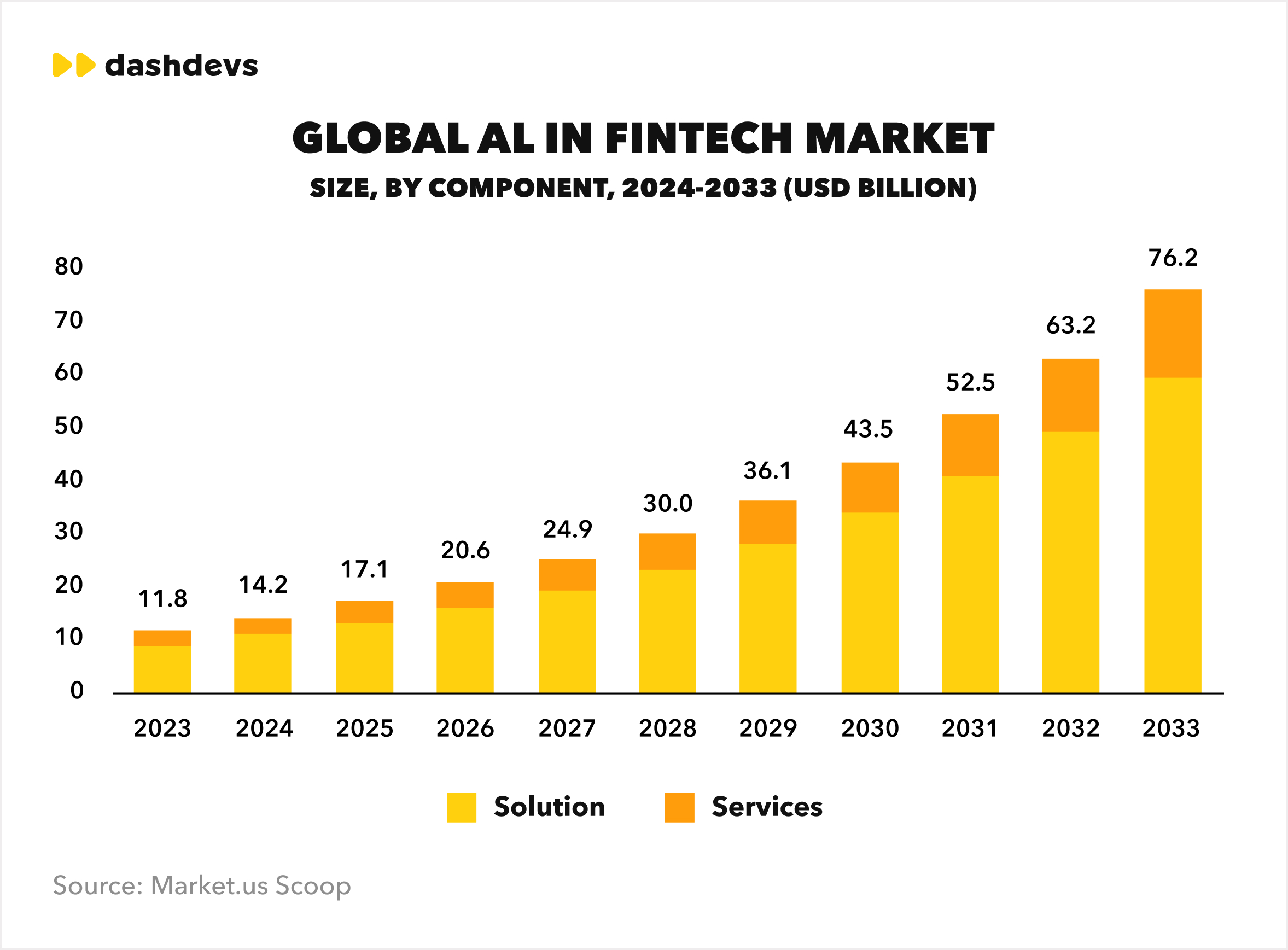
The fintech landscape is rapidly evolving, driven by technological advancements and shifting consumer expectations. As we look towards 2026, several key trends are poised to shape the future of banking, payments, and broader financial services. This article delves into the fintech industry trends, exploring how these transformative forces are redefining traditional paradigms, enhancing the functionality of digital banking, and inspiring innovation at unprecedented levels.
Understanding the Fintech Landscape
The fintech sector encapsulates a wide array of technologies designed to improve and automate the delivery of financial services. This domain includes digital payment systems, blockchain technology, artificial intelligence (AI), and more. As we inch closer to 2026, stakeholders in this field must stay informed about the latest fintech trends and adapt to emerging technologies.
The Rise of Digital Banking
Digital banking has become a staple in the fintech landscape, significantly altering how consumers interact with their finances. With a focus on convenience and efficiency, digital banking trends in 2026 will further enhance user experience by integrating advanced technologies like artificial intelligence and machine learning.
In the coming years, banks will likely leverage AI to offer personalized services, predicting customer needs based on their behavior. Additionally, the rise of biometric authentication methods, such as facial recognition and voice-activated systems, promises to make digital banking more secure. As fintech market trends evolve, institutions must prioritize seamless and secure user experiences.
Transformative Payment Solutions
The payment sector within fintech is undergoing a profound transformation. By 2026, payment systems are expected to become more integrated and intuitive, focusing on simplifying transactions for both consumers and businesses.
Contactless payments, already gaining traction due to the COVID-19 pandemic, will become even more prevalent. Fintech technology trends indicate that near-field communication (NFC) and digital wallets will continue to displace traditional payment methods. Moreover, the use of cryptocurrencies and blockchain technology in peer-to-peer transactions will grow, offering new opportunities for secure and decentralized payment solutions.
Innovations in Financial Services
Innovation in financial services is not just limited to payments and banking. The burgeoning field of RegTech is transforming regulatory compliance processes, making them more efficient and less costly. By 2026, RegTech solutions are expected to be widely adopted, leveraging AI and big data analytics to help institutions navigate complex regulations with ease.
Another trend worth noting is the rise of decentralized finance (DeFi). Drawing from blockchain technology, DeFi is minimizing reliance on traditional financial intermediaries, enabling users to engage in lending, borrowing, and trading activities without the need for conventional banks. As these trends in the fintech industry unfold, regulatory frameworks will need adaptive strategies to accommodate these innovations while ensuring consumer protection.
Blockchain and Cryptocurrency in Fintech
Blockchain technology continues its ascendancy as one of the top fintech trends. By 2026, its application is expected to permeate various aspects of financial services, offering enhanced security, transparency, and efficiency.
The use of blockchain will extend beyond cryptocurrencies, impacting areas such as identity management and cross-border transactions. Blockchain’s decentralized nature allows for secure, tamper-proof record-keeping, which is particularly useful in sectors that deal with sensitive personal and financial data. Trends in fintech suggest that as blockchain adoption grows, it will catalyze a major shift in how financial services are structured and delivered.
The Influence of Artificial Intelligence and Machine Learning
Artificial intelligence (AI) and machine learning (ML) are set to redefine the fintech industry by driving automation and generating actionable insights from vast amounts of data. By 2026, these technologies are anticipated to affect everything from risk assessment in lending to fraud detection and customer service.
AI-powered chatbots are increasingly becoming the first point of contact in customer service, offering instant responses and improving user satisfaction. Similarly, machine learning algorithms analyze consumer data to create tailored financial solutions, enhancing user engagement and loyalty. The impact of AI and ML on fintech market trends cannot be understated, as they hold the potential to revolutionize operational efficiencies and customer interactions.
Data Privacy and Security Concerns
As fintech technologies evolve, so do the challenges associated with data privacy and security. With increasing digitalization, financial institutions must address consumer concerns regarding data breaches and cyber threats.
By 2026, fintech trends will likely feature advanced cybersecurity measures, including encryption technologies and multi-factor authentication, safeguarding consumer information. The implementation of blockchain is also crucial in this domain, offering secure transaction methods and data protection. Financial institutions must balance innovation with stringent security protocols to foster trust and ensure compliance with international regulations.
Conclusion: Embracing a Fintech-Driven Future
The fintech industry is at a pivotal point, with trends pointing towards a future that seamlessly integrates cutting-edge technology with everyday financial operations. The fintech industry trends curated in this article highlight the dynamic nature of this sector, underscoring the need for organizations to remain agile and forward-thinking.
As fintech continues to influence the broader financial ecosystem, businesses and consumers alike must embrace these technological advancements. By staying ahead of the top fintech trends, stakeholders can harness the benefits of innovation, optimize their financial processes, and ultimately drive growth and efficiency in an increasingly digital world.
A Snapshot of Fintech Trends in 2026
| Fintech Trend | Description |
| Digital Banking | Enhanced personalization and security through AI and biometrics |
| Payment Solutions | Growth in contactless payments, cryptocurrencies, and digital wallets |
| Innovations in Financial Services | Rise of RegTech and decentralized finance (DeFi) |
| Blockchain and Cryptocurrency | Expanded use in identity management and cross-border transactions |
| AI and Machine Learning | Automation in risk assessment, fraud detection, and enhanced customer service |
| Data Privacy and Security | Advanced cybersecurity measures to protect consumer data and ensure regulatory compliance |
In summary, the trends in the fintech industry promise to deliver robust changes that will redefine financial services across the globe. By recognizing and adapting to these emerging fintech trends, businesses can position themselves at the forefront of innovation, unlocking new opportunities for growth and customer satisfaction while navigating the complexities of a digital economy.