Virtual reality has been a cornerstone of technological innovation in the last decade, continuously evolving and redefining how we perceive and interact with digital environments. Among the leading entities in this space, Meta stands out for its relentless pursuit of immersive experiences and cutting-edge advancements. This article delves into Meta VR development, examining how the company’s technological strides have positioned it at the forefront of the virtual reality industry.
An Overview of Meta’s VR Evolution
Meta Platforms, formerly known as Facebook, has reshaped its identity around the potential of the metaverse, with virtual reality (VR) as a critical component of its vision. The company’s journey into VR is marked with numerous acquisitions, innovations, and commitments to expanding the possibilities of immersive technology.
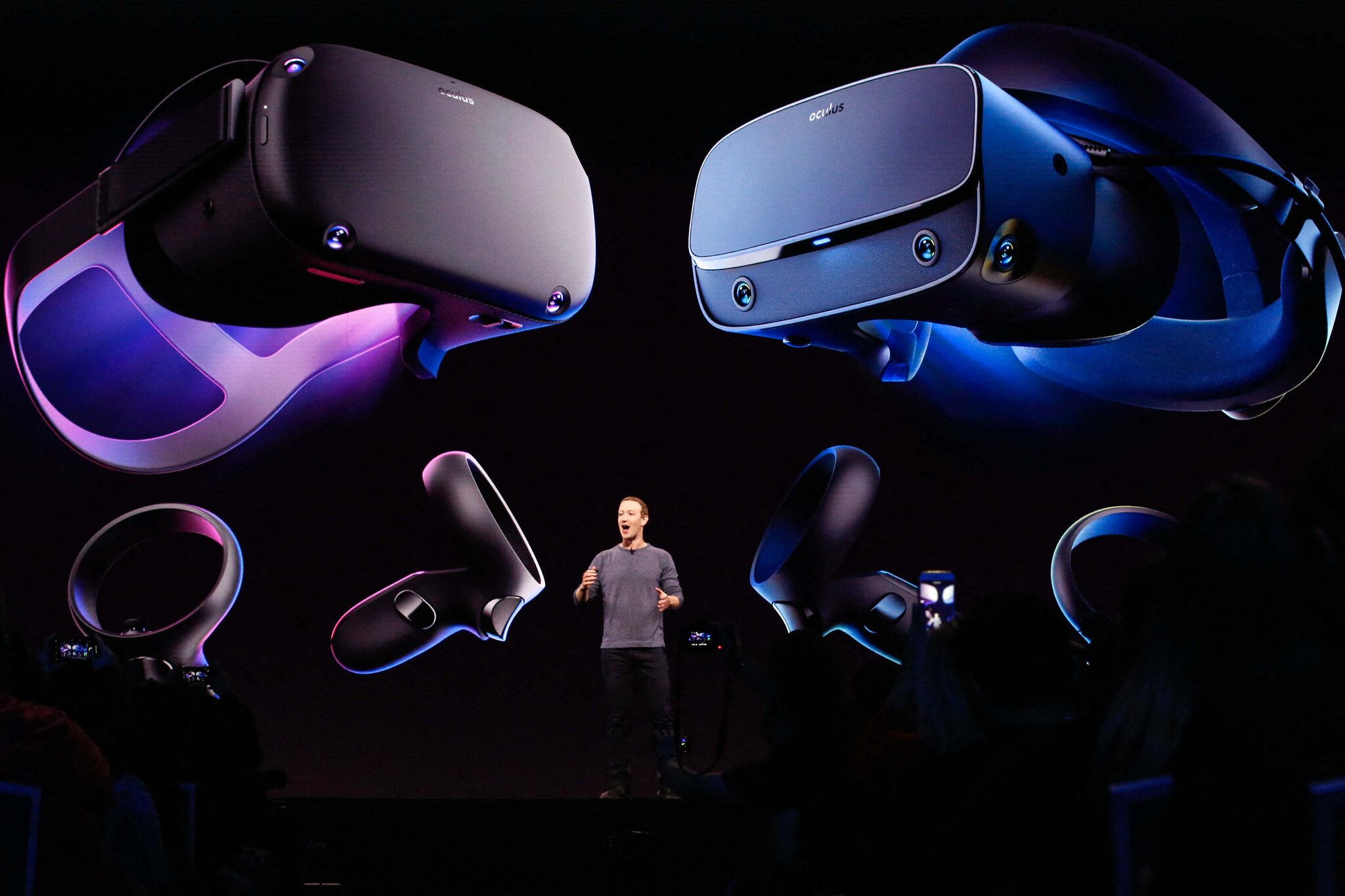
Meta’s progress in VR is anchored by their popular VR headset, Oculus, which has undergone multiple iterations to enhance user experience and broaden accessibility. The Oculus Quest line in particular, with its untethered freedom and high-quality graphics, embodies the cutting-edge of standalone VR systems, making VR more appealing to both consumers and developers.
The Metaverse Ambition
The concept of the metaverse is central to understanding Meta’s VR development. The metaverse is envisioned as a vast, interconnected digital universe where people can socialize, work, play, and create. Meta’s progress in VR is pivotal to this ambition, providing the foundation upon which this immersive world can be built.
Meta’s initiatives are not just about developing stand-alone VR experiences but creating an ecosystem where VR plays an essential role. From virtual meeting spaces to entire online economies, Meta’s vision is gradually shaping everyday experiences within VR platforms. The goal is to make the metaverse as commonplace as social media, transforming how we connect globally.
Technological Innovations in Meta VR
As Meta invests billions into virtual reality, it continues to break new ground in several key technology areas. These innovations not only enhance current products but also set the stage for future developments in the VR space.
Display Technologies
One of the most challenging aspects of VR development is creating displays that are realistic enough to deceive the eyes into believing they are part of the virtual environment. Meta has made significant advancements in display technologies, enhancing resolution, refresh rates, and field of view. Through high-definition optics and advanced rendering techniques, users experience fewer latencies and reduced motions sickness, a critical improvement for extended use.
Hand and Eye Tracking
Natural interaction is a cornerstone of a compelling VR experience. Meta’s incorporation of hand tracking and eye-tracking technologies allows for a more intuitive and immersive user interface. This evolving infrastructure not only enhances gaming and entertainment experiences but also offers new possibilities in fields such as education and remote work.
Artificial Intelligence in VR
Artificial Intelligence (AI) plays a crucial role in Meta’s VR development. By integrating AI, Meta enhances virtual interactions and creates more lifelike avatars and responsive virtual environments. This enables a more personal and interactive experience, where users can engage in realistic simulations or personalized content recommendations based on their behavior and preferences within VR.
Applications of Meta VR Innovations
Meta’s advancements in VR are paving the way for enhanced applications across various sectors. While gaming remains a primary focus, Meta’s progress in VR is also leading to significant innovations and applications in areas such as education, healthcare, and remote collaboration.
Gaming
Gaming has always been at the forefront of VR development, and Meta’s contributions here are substantial. Their development of popular VR games and platforms has expanded the VR gaming universe, offering users experiences that range from simple, enjoyable pastimes to highly complex, story-driven adventures. The social aspects of gaming have also been enhanced by the ability to interact with other users in real-time within these virtual environments.
Education
The potential for VR in education is vast, and Meta is tapping into this field with virtual learning environments that offer immersive and engaging ways to acquire new knowledge. From virtual classrooms to historical recreations, VR offers students an experiential learning platform that can adapt to diverse educational needs.
Healthcare
Meta VR technology is also finding its place in healthcare, where virtual reality can aid in surgical training, patient therapy, and rehabilitation. By providing realistic simulations, Meta’s VR tools help train healthcare professionals and improve patient outcomes by decreasing the reliance on traditional methods.
Remote Collaboration
In a world reshaped by the pandemic, the need for effective remote collaboration tools has increased. Meta’s VR provides a vital step towards more immersive and collaborative remote working experiences. Virtual meeting spaces, enhanced by realistic avatars and interactive environments, offer a new dimensionality to communication and collaboration.
The Future of Meta VR
Looking ahead, Meta’s VR roadmap remains ambitious, promising further integration of hardware, software, and services to create even richer, more interconnected virtual experiences. By constantly pushing boundaries and setting new standards for what VR technology can achieve, Meta continues to be a leading force in bringing the virtual reality vision to life.
Augmented Reality Integration
Meta’s future initiatives are likely to expand beyond VR and into augmented reality (AR), further blurring the lines between the digital and physical worlds. With AR, virtual elements can be overlaid in the real world, offering new interactions and experiences without being fully immersive as VR. The integration of AR with VR, often referred to as mixed reality, marks the next frontier for Meta in crafting immersive environments.
Enhanced Avatars and Personalization
The development of more advanced avatars will enhance personalization and identity expression within virtual environments. Meta is likely to focus on creating avatars that are not only more realistic in appearance and expression but also capable of replicating intricate human emotions and gestures, making interactions within the metaverse more authentic.
Ecosystem and Economy
Creating a thriving economy within the metaverse is another focal point for Meta. By facilitating virtual goods, services, and experiences that mimic real-world economic systems, users can participate in a digital economy that is as diverse and vibrant as our physical one. This requires secure, scalable payment systems and new business models adaptable to dynamic, virtual interactions.
Challenges and Considerations
While Meta continues to lead in VR innovation, the path forward is fraught with challenges that need careful navigation.
Privacy and Data Security
With the richness of data possibilities in VR, user privacy and data protection are significant concerns. Meta is tasked with ensuring that user data is protected and used responsibly, mitigating risks associated with identity theft and intrusive data collection.
Accessibility and Affordability
Ensuring that VR technology is accessible and affordable for all remains a crucial challenge. By lowering hardware costs and expanding internet accessibility, Meta can widen the user base, making VR experiences available to a broader, more diverse audience.
Ethical and Social Implications
As VR becomes more integrated with daily life, its ethical and social implications must be considered. From ensuring equitable access across socio-economic divides to preventing addiction and misuse, Meta and the broader technology community should proactively address these issues.
Conclusion
Meta’s advancements in virtual reality are paving the way for a more immersive and interconnected digital world. By leading innovations in display technology, interaction models, and application development, Meta’s progress in VR is setting the pace for what the future of technology and interactivity may hold. As they continue to explore and expand the limits of VR, Meta not only enhances current experiences but also paves the way for vibrant, dynamic virtual ecosystems that will define the digital landscapes of tomorrow.