
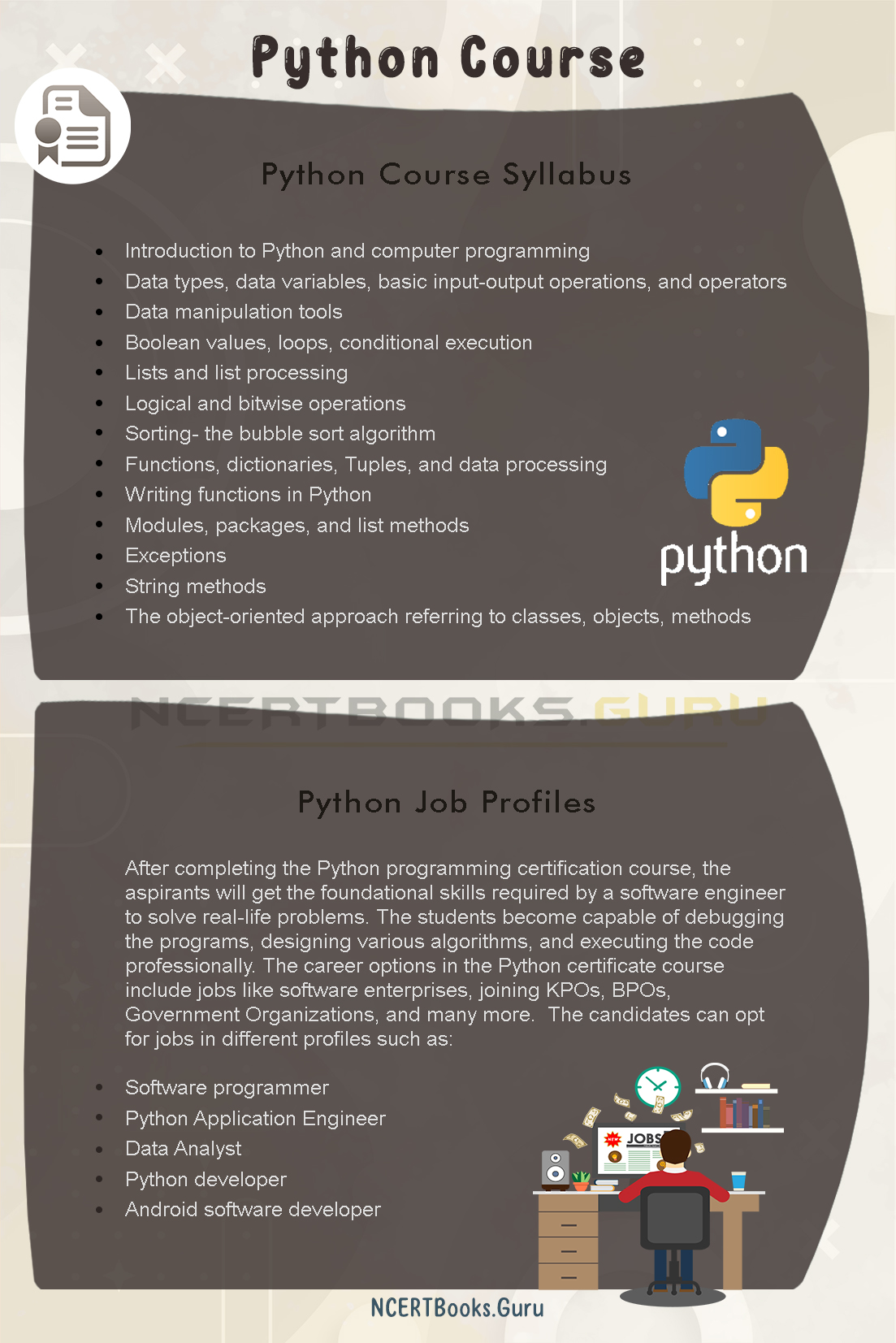
Python is a versatile and popular programming language known for its simplicity and readability. As the demand for Python skills continues to grow across various industries, many aspiring programmers and professionals wonder: How long does it take to learn Python? In this article, we will explore the time commitment required to learn Python, achieve mastery, and earn certifications, ultimately preparing you for a successful career.
Understanding Python’s Learning Curve
Before diving into specific timeframes, it’s essential to understand the learning curve associated with Python. As a beginner-friendly language, Python is often the first choice for newcomers in the programming world. However, the journey to fluency involves several key stages, including understanding basic syntax, practicing coding through projects, mastering advanced concepts, and continually honing skills.
Python’s syntax closely resembles human language, making it easier for beginners to grasp compared to other programming languages. This natural readability, coupled with extensive documentation and community support, significantly reduces the barriers for new learners, contributing to its popularity.
Timeframes for Learning Python
The question often arises: How long to learn Python to a competent level? The answer largely depends on various factors, including your prior experience with programming, the amount of time you dedicate to learning each week, and your learning methods. Let’s examine potential timelines for different learners.
Beginners with No Programming Experience
For those with no prior programming experience, how long it takes to learn Python typically ranges from three to six months. Within this timeframe, learners can expect to cover Python fundamentals, including variables, data types, loops, conditionals, and functions, as well as basic data manipulation using libraries such as NumPy and Pandas.
Consistent practice is critical during this period. Beginners should aim to dedicate a minimum of 5-10 hours per week to reinforce concepts and improve their problem-solving skills. Engaging in mini-projects helps consolidate learning by applying theoretical knowledge to practical scenarios.
Experienced Programmers Learning Python
For individuals who already have programming experience, such as those familiar with languages like Java, C++, or JavaScript, how fast can you learn Python is significantly shorter. Experienced programmers might feasibly gain a working knowledge of Python within a matter of weeks, typically around 2-4 weeks.
Prior exposure to programming concepts allows experienced developers to rapidly grasp Python’s syntax and unique features. The transition to Python can be smooth due to its resemblance in function and logical structure to other languages they may already be familiar with.
Mastering Advanced Python Concepts
Achieving a deeper understanding and mastery of Python, characterized by proficiency in using advanced libraries and frameworks, may take considerably longer — often ranging from six months to a year. Factors influencing how long does it take to master Python include the complexity of topics mastered, frequency of practice, and involvement with large projects or collaboration in open-source contributions.
Advanced Python skills include comprehending object-oriented programming (OOP), working with data structures, understanding algorithms, mastering web development frameworks (e.g., Django or Flask), and proficiency in data analysis and machine learning with libraries like TensorFlow, PyTorch, or scikit-learn.
Time Commitment for Achieving Python Certifications
Completing Python certifications provides a formal acknowledgment of your skills, enhancing your credentials in the job market. Many learners wonder, how long to get Python certification? It typically aligns with the learning paths discussed but varies by the certification program chosen.
Popular Python Certifications and Their Requirements
.Python Institute Certifications (PCAP, PCEP): The Python Institute offers entry-level certifications such as PCEP (Certified Entry-Level Python Programmer) and PCAP (Certified Associate in Python Programming). These certifications require a solid grasp of basic syntax and intermediary topics, achievable within 3-6 months for beginners, and quicker for those with prior knowledge.
.Microsoft Python Certification: This certification examines a candidate’s ability to write and understand Python code at both beginner and intermediate levels. The typical preparation time can span approximately 3-4 months, contingent on the learner’s schedule and focus.
.Google IT Automation with Python Professional Certificate: Offered by Google, this program focuses on automating common tasks using Python. It is designed to be completed in approximately six months, assuming an average learning pace of around five hours per week.
Considerations for Certification Pursuits
.Structured Learning Paths: Leverage the structured learning paths provided by the certification bodies. These typically outline course modules with recommended timelines to ensure comprehensive preparation.
.Practice Exams and Mock Tests: Engage with practice exams and mock tests to familiarize yourself with exam formats and pinpoint areas needing further reinforcement.
.Incorporating Real-World Projects: Since certifications often test practical skills, participating in real-world projects can provide invaluable experience, boosting both confidence and competence.
Balancing Depth and Breadth in Python Learning
It’s worth reiterating that learning Python isn’t solely about achieving milestones in terms of time. The main goal should be to balance depth — where you focus on understanding concepts thoroughly — and breadth, by exploring various domains where Python is applicable. For instance:
–Web Development: Master frameworks like Flask, Django, and FastAPI, focusing on back-end and full-stack development.
–Data Science and Analytics: Delve into libraries such as Pandas, NumPy, and Matplotlib, learning how to manipulate, analyze, and visualize data.
–Machine Learning and AI: Gain expertise in using TensorFlow, PyTorch, and scikit-learn for machine learning and artificial intelligence applications.
–Automation and Scripting: Leverage Python’s capabilities to automate repetitive tasks and build efficient workflows.
Each of these domains represents a distinct path where Python skills are highly sought after, influencing your career trajectory.
Common Challenges and How to Overcome Them
During your Python learning journey, you may encounter various challenges. Identifying and addressing these hurdles is crucial for maintaining momentum and motivation.
Debugging and Problem Solving
Understanding how to debug code and solve problems is essential in programming. Utilize Python’s extensive community forums, such as forums on Stack Overflow, Python documentation, and GitHub repositories to source solutions and seek guidance. Engaging with other learners and mentors can offer fresh perspectives and problem-solving strategies.
Maintaining Consistency
Consistency is a common obstacle, especially for busy adults balancing work and learning. Create a realistic schedule that accommodates sustained progress without overwhelming yourself. Utilize online resources such as coding challenges, online courses, and interactive shells to facilitate hands-on learning experiences.
Managing Learning Resources
Given the abundance of learning resources available, staying focused can be challenging. Choose specific, reputable Python courses or books and follow them systematically. Curate a personalized learning path tailored to your career goals and existing expertise levels.
Conclusion
Ultimately, how long does it take to learn Python coding depends on individual circumstances, and there isn’t a one-size-fits-all answer. Whether completing a Python certification, gaining proficiency for a job, or mastering advanced concepts, the journey is unique to each learner.
Cultivating a growth mindset, maintaining consistent practice, and engaging with the Python community are essential contributors to success. By diligently navigating the learning path, you will acquire the tactical skills necessary to harness Python’s power, equipping yourself for a thriving future in the programming world.


