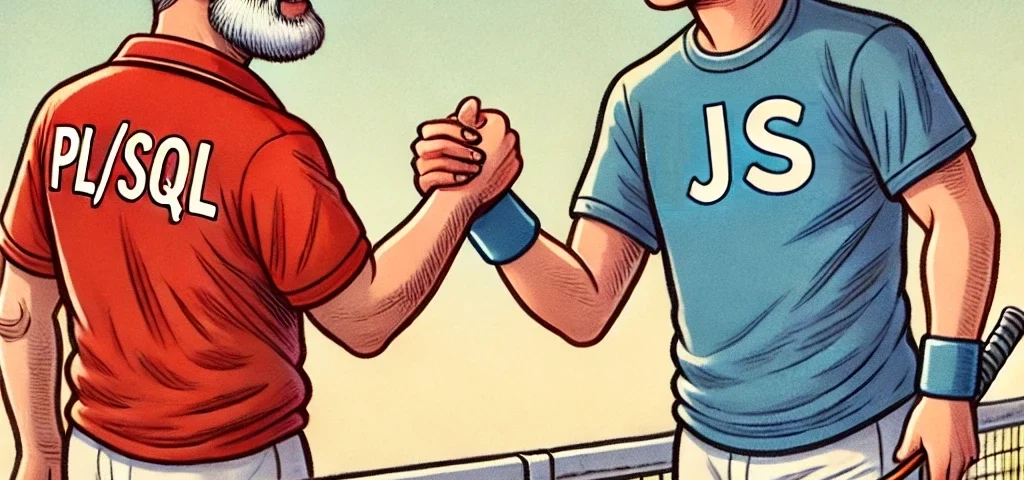
In the realm of programming, two languages that often confuse newcomers due to their similar-sounding names are Java and JavaScript. Although they both play pivotal roles in modern software development, the difference between JavaScript and Java couldn’t be more distinct. From their origin stories to their practical applications, understanding the Java and JavaScript difference is essential for any budding programmer or tech enthusiast looking to harness their full potential.
The Origins of Java and JavaScript
To truly understand the difference between JavaScript and Java, one must first delve into their origins. Java was created by James Gosling at Sun Microsystems, released in 1995 as a powerful object-oriented language designed for cross-platform capabilities. Java’s “write once, run anywhere” philosophy was revolutionary, allowing developers to build applications that could run on any device with a Java Virtual Machine (JVM).
In stark contrast, JavaScript was born in 1995 through the efforts of Brendan Eich at Netscape. Originally known as Mocha, then LiveScript, it was finally renamed JavaScript to leverage the increasing popularity of Java at the time. Despite its name, JavaScript’s design and purpose are tangential to Java. As a lightweight scripting language, JavaScript was intended to enhance web pages and build interactive web elements, quickly becoming the backbone of web development.
Key Differences: Syntax and Usage
A fundamental JavaScript vs Java difference is seen in their syntax and usage. Java is a statically typed language, meaning that variables must be declared with a data type before use, thus lending to fewer errors and more reliable code as applications grow. In contrast, JavaScript is a dynamically typed language where variables can change type, offering greater flexibility but at the potential cost of runtime errors and less predictability.
Is JavaScript and Java the Same?
The diff between JavaScript and Java stretches beyond just syntax. Java is commonly used to build large-scale enterprise applications, mobile apps on Android, and server-side applications. Its robust ecosystem and framework library make it a favorite for developing complex systems requiring stability and scalability. On the other hand, JavaScript operates primarily within the web environment, responsible for dynamic content, interactive user interfaces, and modern single-page applications (SPAs). This makes JavaScript essential for frontend development, with Node.js expanding its reach into backend development as well.
Advantages of Java Over JavaScript
While comparing js vs Java, it is crucial to note the advantages of Java over JavaScript. Java’s type safety, comprehensive libraries, performance efficiency, and the ability to handle complex computing tasks give it a significant edge in scenarios demanding rigorous computation and resource management. Java is famed for its resilience in high-performance environments, such as financial services and scientific computing, where reliability and speed are paramount.
Is Java Better Than JavaScript?
When pondering whether is Java better than JavaScript, it’s imperative to assess the task at hand. For applications that require scalability, robust backend processing, or mobile platform integration, Java stands as a formidable choice. Conversely, for web-centric applications emphasizing user interaction and fluid UI experiences, JavaScript excels due to its seamless integration with HTML and CSS.
JavaScript vs Java: Versatility in Applications
JavaScript’s flexibility allows it to be used across different technologies, contributing to its dominance in the web development sphere. With frameworks like React, Angular, and Vue.js, JavaScript drives the creation of dynamic, responsive web applications. Moreover, Node.js has extended JavaScript’s capabilities to server-side programming, allowing developers to use a unified language across the stack.
JavaScript and Java Difference in Modern Development
Understanding the JavaScript and Java difference in modern development contexts highlights their complementary roles. Java’s strength lies in the backend operations where application infrastructure demands robust performance. On the flip side, JavaScript is unparalleled in enhancing the frontend user experience, making web applications engaging and interactive. Together, they create a powerful combination in full-stack development, catering to the comprehensive needs of both sides of the development spectrum.
The Ecosystem and Community Support
In evaluating javascript vs Java differences, the ecosystem and community around each language play pivotal roles. Java boasts a mature ecosystem with powerful tools such as the Eclipse IDE, IntelliJ IDEA, and robust libraries like Spring and Hibernate. Its community is characterized by experience across various domains of financial, scientific, and enterprise software development.
Conversely, JavaScript’s ecosystem is vibrant, fast-paced, and continuously evolving due to its web-centric focus. Tools like npm (Node Package Manager), frameworks like React and Angular, and a thriving community contribute to its status as the de facto language of the web. The rapid evolution of JavaScript libraries and frameworks underscores its role in pioneering new trends and technologies in web development.
Security and Performance Considerations
Security and performance are crucial considerations in the JavaScript vs Java dialogue. Java, with its statically typed nature and compile-time error checking, often provides a secure environment for application development. Its robust security model and garbage collection features ensure stable and efficient memory management, particularly in enterprise environments demanding strict security protocols.
JavaScript, being a dynamically typed language, demands developers exercise increased diligence in managing memory leaks and security vulnerabilities such as cross-site scripting (XSS) and cross-site request forgery (CSRF). Though modern frameworks enhance security aspects, Java still holds a slight edge in environments where security and performance can make or break mission-critical applications.
Demystifying the Misconceptions
A recurring misconception is whether JavaScript and Java are the same due to their namesake. The truth is, aside from sharing the first four letters of their name, there is no technical correlation in their syntax, use-cases, or operational design. Each serves distinct purposes, developed for varying applications within the vast programming landscape.
Developers often address the question of ‘Java script vs Java’ with the understanding that their applications dictate the choice of language. The historical context of their naming convention serves as a lesson in the importance of clear differentiation in branding within technology.
Future Prospects and Trends
As the tech landscape continues to evolve, the differences between Java and JavaScript remain as defined as ever, yet collaborative in progressive tech environments. Java’s ongoing development (like Project Loom and the integration of newer garbage collectors) promises enhancements in performance and scalability, critical for futuristic enterprise solutions.
Similarly, JavaScript’s dynamic growth with innovations like WebAssembly and the maturity of server-side frameworks portends a future where JavaScript will further solidify its role in comprehensive, full-stack development. The evolving capabilities of both languages confirm their enduring relevance, ensuring they remain indispensable components of modern software design and deployment.
Conclusion
Exploring the multifaceted distinction in the realm of javascript vs Java differences reveals two formidable languages, each with unique strengths tailored for specific aspects of development. Whereas Java excels in environments requiring stable, high-performance operations, JavaScript shines in creating dynamic and interactive web experiences. The difference Java JavaScript embodies illustrates the complementary nature of these languages. Together, they serve as robust tools in a developer’s arsenal, capable of building everything from intricate backend operations to seamless, engaging front-end user interfaces. Consequently, choosing between them requires understanding the specific needs of your project — highlighting their individual prowess while appreciating their collective contributions to the digital landscape.
| Aspect | Java | JavaScript |
| Year of Creation | 1995 | 1995 |
| Typing | Statically typed | Dynamically typed |
| Primary Use | Enterprise applications, Android apps | Web development, interactive content |
| Platform | Java Virtual Machine (JVM) | Browsers, Node.js |
| Community | Established, enterprise-focused | Vibrant, rapidly evolving |
| Security | Robust, compile-time checks | Requires diligent handling |
| Performance | High performance in complex tasks | Suited for web responsiveness |
| Naming Connotation | Often confused but unrelated | Name used for marketing strategy |
In this exploration, we have traversed the various dimensions of the Java vs JavaScript dialogue, underscoring the valuable insights and practical applications of each, contributing to their lasting impact in the world of programming.